

403
Sorry!!
Error! We're sorry, but the page you were looking for doesn't exist.
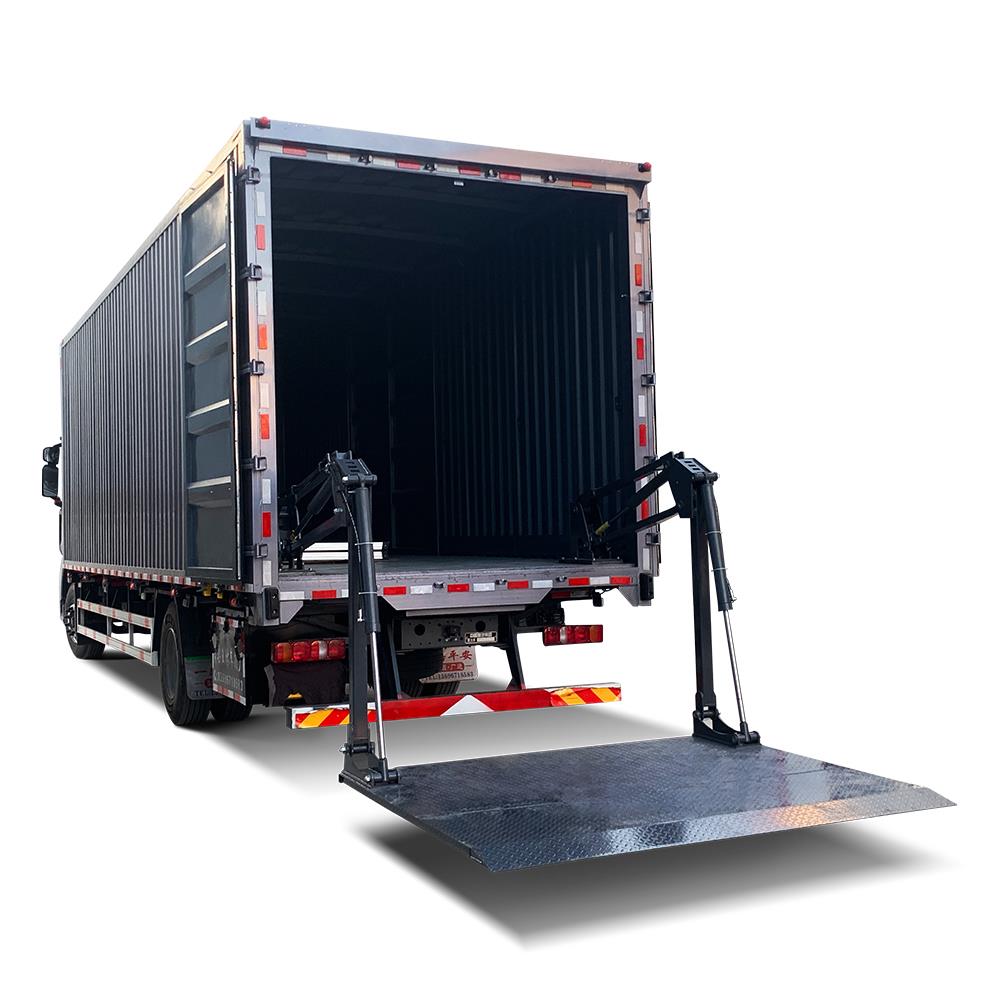
Why Is Ground Clearance Important for a Tail Lift?


(MENAFN- Global Industrial Parts Inc.) When choosing a tail lift, most buyers naturally focus on lifting capacity, platform size, and vehicle compatibility. Ground clearance is often considered later, even though it can have a direct effect on how the equipment performs when a truck is moving over uneven ground, entering loading areas, or working on ramps.
A tail lift is mounted at the rear of a commercial vehicle, so its frame, lifting mechanism, platform, and mounting components all occupy space close to the ground. The final position of these components depends on the vehicle chassis, body design, floor height, rear overhang, and the specific tail lift configuration.
Understanding this relationship can help fleet operators avoid choosing a truck tail lift that works well on paper but creates practical problems after installation.
What Does Ground Clearance Mean on a Tail Lift?
Ground clearance refers to the vertical distance between the ground and the lowest relevant part of the vehicle or tail lift assembly.
It should not be confused with vehicle floor height.
Vehicle floor height is the height of the cargo floor above the ground. Ground clearance concerns the distance between the lowest part of the vehicle or lift assembly and the ground.
These measurements are related, but they are not interchangeable.
This distinction matters because a truck does not necessarily sit at the same height when it is empty and when it is carrying a full payload.
Why Does Vehicle Load Matter?
A truck's suspension responds to its payload.
When the vehicle is unloaded, the rear of the truck may sit higher. As cargo is added, the suspension can compress and the vehicle floor can move closer to the road.
This means the available clearance beneath the tail lift can change during normal operation.
For a fleet that regularly carries heavy cargo, looking only at the unloaded vehicle height gives an incomplete picture.
This is particularly relevant for trucks operating in environments with:
uneven roads
steep ramps
warehouse entrances
loading docks
construction areas
roadside delivery locations
A lift that has sufficient clearance on an empty truck may have less clearance when the vehicle is fully loaded.
That does not automatically make the hydraulic tail lift unsuitable. It means the lift and vehicle need to be evaluated as one installation.
Mounting Height Is Part of the Equation
The position of a tail lift on the rear of a vehicle is not arbitrary.
The mounting arrangement determines how the lifting frame sits in relation to the vehicle floor and chassis. This affects the final ground clearance of the installed equipment.
This is why asking only, “How much ground clearance does this tail lift have?” may not provide a complete answer.
A more useful question is:
How much ground clearance will this particular tail lift have when installed on this particular vehicle?
Two trucks can use the same general type of tail lift but have different chassis dimensions, floor heights, rear overhangs, and mounting conditions.
Why Does Rear Overhang Matter?
A tail lift normally extends beyond the rear axle.
When a truck moves from a flat surface onto a steep ramp, the rear of the vehicle can approach the ground at a different angle from the rest of the chassis.
The lower parts of the tail lift therefore need enough clearance to avoid unwanted contact with the road surface.
This becomes particularly relevant for vehicles that frequently operate on uneven roads or loading ramps.
The operating environment should therefore be considered during tail lift selection rather than treated as an afterthought.
Does a Larger Tail Lift Always Have Less Ground Clearance?
Not necessarily.
The final clearance depends on several factors, including:
tail lift design
mounting position
platform configuration
vehicle floor height
chassis geometry
rear overhang
suspension behavior
expected payload
A larger or higher-capacity tail lift system does not automatically mean less ground clearance.
Likewise, choosing a compact lift does not automatically guarantee a better installation.
The complete vehicle-and-equipment configuration matters more than one isolated specification.
What Should Fleet Operators Check?
Before purchasing a tail lift, fleet operators should collect the actual dimensions of the vehicle.
Useful information includes:
vehicle floor height
chassis dimensions
rear overhang
available mounting space
expected payload
rear axle loading
platform dimensions
required lifting height
normal operating environment
The vehicle should also be considered in both unloaded and loaded conditions.
This is especially important for trucks that regularly operate close to their rated payload.
Ground Clearance Is About More Than Avoiding Contact
Ground clearance is not simply about preventing the equipment from touching the road.
It can also affect how easily the vehicle operates in different environments.
A truck that spends most of its time backing into level loading docks has different requirements from a delivery vehicle working on uneven streets.
Likewise, a truck operating in construction or industrial environments may encounter more changes in ground level than a vehicle used primarily for warehouse distribution.
The same tail lift equipment can therefore have different practical requirements depending on its application.
A Better Way to Evaluate Tail Lift Clearance
Instead of treating ground clearance as an isolated number, consider it together with the rest of the installation.
Ask:
What is the vehicle floor height?
How does the rear suspension behave under load?
Where will the tail lift frame sit?
What is the lowest point of the installed lift?
How much rear overhang does the vehicle have?
Where will the truck normally operate?
These questions provide much more useful information than a generic clearance figure.
Final Thoughts
A tail lift is not an independent piece of equipment simply attached to the back of a truck. It becomes part of the vehicle.
That is why ground clearance should be considered together with vehicle floor height, mounting position, payload, rear overhang, and operating conditions.
For fleet operators, the goal is not simply to find a lift with the largest clearance number. The goal is to achieve a configuration that remains practical when the truck is actually loaded and working.
A tail lift is mounted at the rear of a commercial vehicle, so its frame, lifting mechanism, platform, and mounting components all occupy space close to the ground. The final position of these components depends on the vehicle chassis, body design, floor height, rear overhang, and the specific tail lift configuration.
Understanding this relationship can help fleet operators avoid choosing a truck tail lift that works well on paper but creates practical problems after installation.
What Does Ground Clearance Mean on a Tail Lift?
Ground clearance refers to the vertical distance between the ground and the lowest relevant part of the vehicle or tail lift assembly.
It should not be confused with vehicle floor height.
Vehicle floor height is the height of the cargo floor above the ground. Ground clearance concerns the distance between the lowest part of the vehicle or lift assembly and the ground.
These measurements are related, but they are not interchangeable.
This distinction matters because a truck does not necessarily sit at the same height when it is empty and when it is carrying a full payload.
Why Does Vehicle Load Matter?
A truck's suspension responds to its payload.
When the vehicle is unloaded, the rear of the truck may sit higher. As cargo is added, the suspension can compress and the vehicle floor can move closer to the road.
This means the available clearance beneath the tail lift can change during normal operation.
For a fleet that regularly carries heavy cargo, looking only at the unloaded vehicle height gives an incomplete picture.
This is particularly relevant for trucks operating in environments with:
uneven roads
steep ramps
warehouse entrances
loading docks
construction areas
roadside delivery locations
A lift that has sufficient clearance on an empty truck may have less clearance when the vehicle is fully loaded.
That does not automatically make the hydraulic tail lift unsuitable. It means the lift and vehicle need to be evaluated as one installation.
Mounting Height Is Part of the Equation
The position of a tail lift on the rear of a vehicle is not arbitrary.
The mounting arrangement determines how the lifting frame sits in relation to the vehicle floor and chassis. This affects the final ground clearance of the installed equipment.
This is why asking only, “How much ground clearance does this tail lift have?” may not provide a complete answer.
A more useful question is:
How much ground clearance will this particular tail lift have when installed on this particular vehicle?
Two trucks can use the same general type of tail lift but have different chassis dimensions, floor heights, rear overhangs, and mounting conditions.
Why Does Rear Overhang Matter?
A tail lift normally extends beyond the rear axle.
When a truck moves from a flat surface onto a steep ramp, the rear of the vehicle can approach the ground at a different angle from the rest of the chassis.
The lower parts of the tail lift therefore need enough clearance to avoid unwanted contact with the road surface.
This becomes particularly relevant for vehicles that frequently operate on uneven roads or loading ramps.
The operating environment should therefore be considered during tail lift selection rather than treated as an afterthought.
Does a Larger Tail Lift Always Have Less Ground Clearance?
Not necessarily.
The final clearance depends on several factors, including:
tail lift design
mounting position
platform configuration
vehicle floor height
chassis geometry
rear overhang
suspension behavior
expected payload
A larger or higher-capacity tail lift system does not automatically mean less ground clearance.
Likewise, choosing a compact lift does not automatically guarantee a better installation.
The complete vehicle-and-equipment configuration matters more than one isolated specification.
What Should Fleet Operators Check?
Before purchasing a tail lift, fleet operators should collect the actual dimensions of the vehicle.
Useful information includes:
vehicle floor height
chassis dimensions
rear overhang
available mounting space
expected payload
rear axle loading
platform dimensions
required lifting height
normal operating environment
The vehicle should also be considered in both unloaded and loaded conditions.
This is especially important for trucks that regularly operate close to their rated payload.
Ground Clearance Is About More Than Avoiding Contact
Ground clearance is not simply about preventing the equipment from touching the road.
It can also affect how easily the vehicle operates in different environments.
A truck that spends most of its time backing into level loading docks has different requirements from a delivery vehicle working on uneven streets.
Likewise, a truck operating in construction or industrial environments may encounter more changes in ground level than a vehicle used primarily for warehouse distribution.
The same tail lift equipment can therefore have different practical requirements depending on its application.
A Better Way to Evaluate Tail Lift Clearance
Instead of treating ground clearance as an isolated number, consider it together with the rest of the installation.
Ask:
What is the vehicle floor height?
How does the rear suspension behave under load?
Where will the tail lift frame sit?
What is the lowest point of the installed lift?
How much rear overhang does the vehicle have?
Where will the truck normally operate?
These questions provide much more useful information than a generic clearance figure.
Final Thoughts
A tail lift is not an independent piece of equipment simply attached to the back of a truck. It becomes part of the vehicle.
That is why ground clearance should be considered together with vehicle floor height, mounting position, payload, rear overhang, and operating conditions.
For fleet operators, the goal is not simply to find a lift with the largest clearance number. The goal is to achieve a configuration that remains practical when the truck is actually loaded and working.
Global Industrial Parts Inc.
Legal Disclaimer:
MENAFN provides the
information “as is” without warranty of any kind. We do not accept any
responsibility or liability for the accuracy, content, images, videos,
licenses, completeness, legality, or reliability of the information
contained in this article. If you have any complaints or copyright issues
related to this article, kindly contact the provider above.
Comments
No comment