

7 Things That Can Make A House Uninsurable - Or Much More Expensive To Insure


A house can look perfectly charming from the sidewalk and still make an insurance company nervous. An aging roof, outdated wiring, neglected plumbing, or certain high-risk features can push up premiums, trigger an inspection, limit coverage, or make some insurers decline the property altogether.
That matters whether a homeowner plans to sell, refinance, renew a policy, or simply avoid an unpleasant surprise at renewal time. Insurance companies look at the likelihood and potential cost of future losses, so a home that needs serious attention can become an expensive proposition long before anything actually goes wrong.
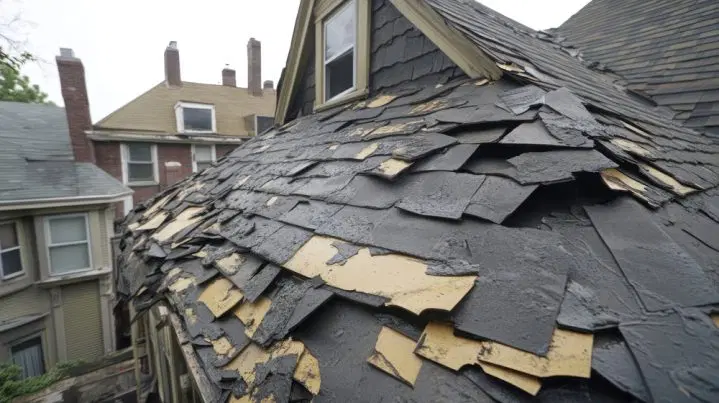
1. An Aging or Neglected RoofThe roof ranks near the top of an insurer's list because it protects nearly everything underneath it. Age, condition, material, and roof design can affect both the price and availability of coverage, and some insurers may require an inspection for older roofs or decline properties with significant deterioration.
That does not mean every older roof automatically makes a house uninsurable, but loose shingles, visible damage, leaks, or years of deferred maintenance can create trouble. A homeowner shopping for coverage should know the roof's age, material, repair history, and remaining useful life, then ask the insurer exactly how those details affect the policy.
2. Outdated Electrical WiringOld electrical systems can make insurers nervous because faulty wiring can increase the risk of fire and expensive property damage. The National Association of Insurance Commissioners notes that insurers may require older homes to update wiring, along with plumbing, heating, and roofing systems.
Certain older wiring systems can create particular underwriting problems, especially when an insurer considers the system outdated or hazardous. A home buyer should have the electrical system inspected rather than relying on a fresh coat of paint and a suspiciously cheerful listing description, because an insurer may care far more about what sits behind the walls.
3. Aging Plumbing or Heating SystemsPlumbing problems can turn into water damage with remarkable speed, while aging heating equipment can increase concerns about fire or other losses. Triple-I specifically lists old plumbing, electrical, and heating systems among conditions that can make homeowners coverage harder to obtain.
A house does not need brand-new pipes and equipment to qualify for insurance, but insurers may ask about their age and condition. Replacing outdated systems can reduce risk, and homeowners should keep invoices, permits, inspection reports, and contractor records because documentation can help demonstrate that important work actually happened.
4. A Home in a High-Risk Disaster AreaSometimes the house itself looks perfectly fine, but its address makes insurers reach for the calculator. Homes in areas exposed to hurricanes, windstorms, tornadoes, hail, wildfire, flooding, or other severe hazards can face higher costs or fewer private insurance options.
Location can also create a coverage gap that surprises homeowners, because standard homeowners insurance generally does not cover flood damage and may require separate coverage for certain other hazards. Before buying, homeowners should investigate the property's disaster risks and ask what coverage they actually need rather than assuming one policy handles every unpleasant surprise nature can deliver.
5. Questionable Remodeling or DIY WorkA renovation can improve a house while simultaneously giving an insurer a reason to ask several uncomfortable questions. Unpermitted work, questionable electrical modifications, improvised plumbing, or construction that fails applicable requirements can complicate insurance because the company needs to assess the home's actual condition and risk.
The smart move involves documenting major improvements and checking local permit requirements before starting significant work. Homeowners should also tell their insurer about substantial upgrades, since the NAIC notes that improvements such as updated electrical, plumbing, heating, roofing, and security systems can affect insurance costs.
6. High-Risk Features Around the PropertySome backyard features can add fun, value, and a surprisingly large liability question mark. Swimming pools, trampolines, certain wood-burning appliances, and other features can affect insurance considerations, with the NAIC specifically noting pools and trampolines as property characteristics insurers may ask about.
That does not mean an insurer automatically rejects a home because someone installed a pool or trampoline. Instead, the feature may affect premiums, liability coverage, safety requirements, or underwriting, so homeowners should disclose it rather than hoping nobody notices the giant swimming pool sitting behind the garage.
7. Years of Deferred MaintenanceInsurance covers unexpected losses, not the slow march of ordinary wear and tear. A policy generally does not function as a maintenance contract, which means homeowners still need to handle routine upkeep such as repairing deteriorating roofing, addressing plumbing problems, and maintaining other parts of the property.
That distinction matters because a neglected home can create both insurance and financial problems. Fixing small issues before they become major hazards can make a property easier to insure, while documented maintenance can give an insurer a clearer picture of the home's condition when it evaluates coverage.
Give the House a Pre-Insurance CheckupA house does not need to look brand-new to qualify for homeowners insurance, and an older property does not automatically deserve an insurance red flag. The bigger concern involves conditions that increase the likelihood or potential cost of a loss, especially deteriorated roofs, outdated systems, major maintenance problems, and significant disaster exposure.
Before buying or renewing coverage, homeowners should gather information about the roof, electrical system, plumbing, heating equipment, renovations, disaster risks, and previous claims. Shopping several insurers and comparing both premiums and coverage can also reveal major differences in how companies evaluate the same property. A house may have character, quirks, and a few battle scars, but insurance companies still want to know that those quirks will not become tomorrow's five-figure headache.
Which home feature do you think would cause the biggest insurance headache, and have you ever encountered a property that became surprisingly difficult or expensive to insure?

Legal Disclaimer:
MENAFN provides the
information “as is” without warranty of any kind. We do not accept any
responsibility or liability for the accuracy, content, images, videos,
licenses, completeness, legality, or reliability of the information
contained in this article. If you have any complaints or copyright issues
related to this article, kindly contact the provider above.
Comments
No comment