

Nuclear War: Still A Possibility?


Now, 35 years later, the Pentagon is nervous that Russia might use nuclear weapons in Ukraine or attack NATO.
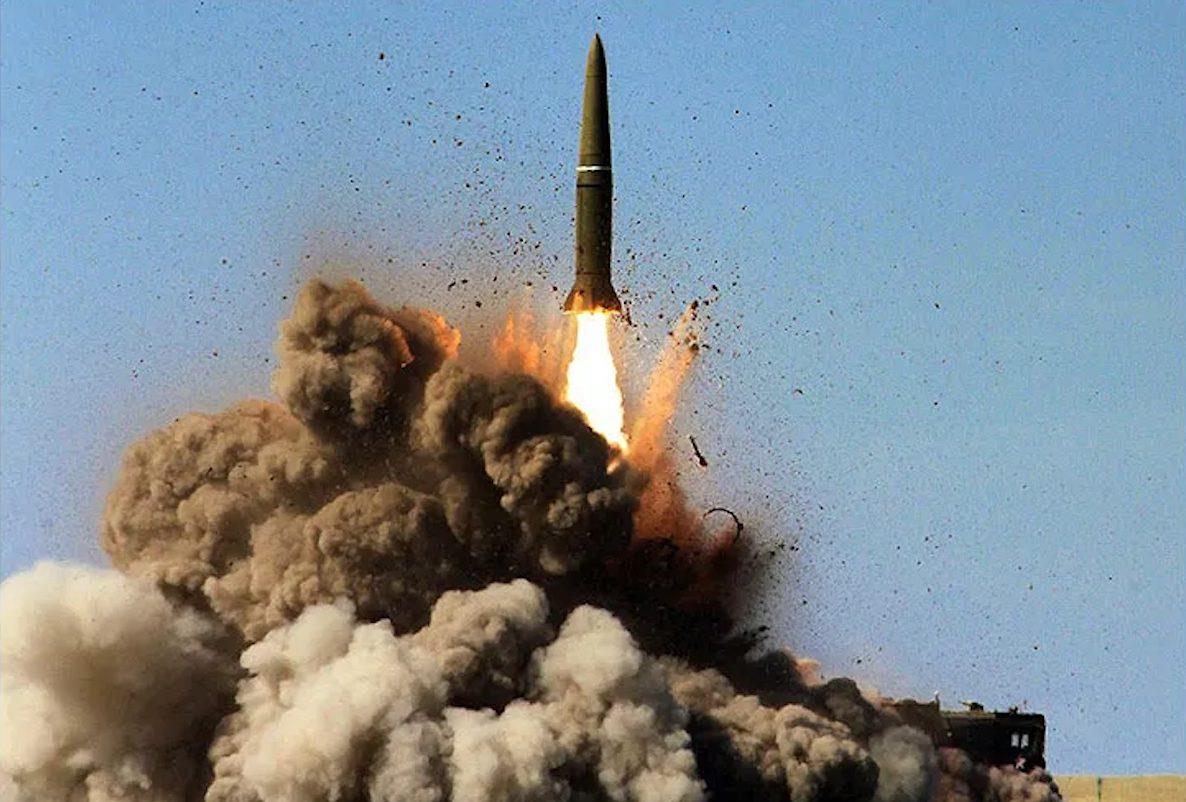
In June, 2023 Russia deployed Iskander-M missiles with nuclear warheads to Belarus, more as a warning to Poland and NATO than due to Russia's“special military operation” in Ukraine. Reports also say Russia has been modifying Belarus's Su-25 aircraft to carry nuclear gravity bombs.
Poland (and Lithuania) have threatened Russian access to Kaliningrad, and the Poles and Lituanians have contended that Russia is also storing between 50 and 100 nuclear warheads in the enclave.
Kaliningrad, previously Königsberg, was the military hub of the Prussian state. Under the Potsdam Agreement in 1945, the northern part of East Prussia – including Königsberg – was annexed by the Soviet Union, its German population was largely expelled and the city was subsequently renamed Kaliningrad.
It is connected to Belarus by a thin strip of territory along the Polish-Lithuanian border called the Suwalki gap or corridor. The city and the corridor is a flash point of strategic significance for both Russia and NATO.
Today the United States has a small arsenal of so-called tactical nuclear weapons, mainly in the form of the B-61 gravity “dial a blast” air delivered bombs.
Undersecretary of Defense for Policy Elbridge Colby is currently leading a team updating US nuclear policy, focusing on refining flexible options for the president, particularly at the regional level.
Colby and his colleagues do not have many options if their approach is to strengthen“flexible options” at the“regional level.”
Aside from the B-61 and a few US Navy weapons (including Trident submarine-launched ballistic missiles that can be equipped with a small, 5.7 kt warhead), almost all fielded US tactical weapons have been retired and the majority of their nuclear warheads dismantled.
The one possible exception, if you believe the Russian assessment, are dual purpose Mk-41 launchers in Europe. These can be used either for SM-3 air defense interceptors or for Tomahawk cruise missiles.
The US has two major locations in Romania and Poland. Since 2014 the US has been operating an Aegis Ashore system at Deveselu, Romania. It features 24 MK 41 Vertical Launch System (VLS) cells. At Redzikowo, Poland the US has a mirror Aegis Ashore system with the same number of VLS cells.

Legal Disclaimer:
MENAFN provides the
information “as is” without warranty of any kind. We do not accept any
responsibility or liability for the accuracy, content, images, videos,
licenses, completeness, legality, or reliability of the information
contained in this article. If you have any complaints or copyright issues
related to this article, kindly contact the provider above.
Comments
No comment