

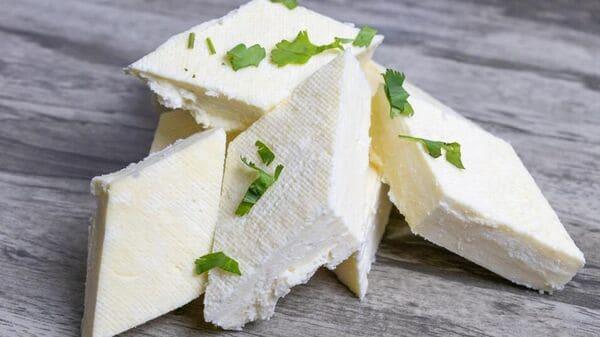
Analogue Paneer: How Is It Different From Regular Paneer? Price Gap, Home Tests, Why It Was Banned And How It's Made


Maharashtra, Gujarat, Chhattisgarh, Madhya Pradesh, Himachal Pradesh, Uttarakhand and Karnataka are among the states that have taken action against analogue paneer, a non-dairy product made using ingredients such as vegetable oils, starches, emulsifiers and other substitutes.
What is analogue paneer?The Food Safety and Standards Authority of India (FSSAI) defines an analogue food product as one in which milk constituents are partly or completely replaced with ingredients that are not derived from milk. The finished product is made to resemble milk or dairy products in appearance, texture or function.
In simple terms, analogue paneer is not made entirely from milk. It may contain ingredients such as vegetable oils, starch, milk solids and other substitutes instead of fresh milk.
Analogue paneer vs regular paneer: What's the difference?The main difference lies in the ingredients used to make the two products.
Traditional paneer is made from fresh milk, preferably full-fat cow's milk. Analogue paneer, on the other hand, may use milk solids, vegetable fats and other lower-cost ingredients as substitutes.
How to identify fake or analogue paneer at homeThe FSSAI has issued recommendations to help consumers identify adulterated dairy products. While laboratory testing remains the most reliable way to determine whether a product is genuine, some basic checks may help consumers identify suspicious paneer at home.
Also Read | Karnataka's 1-year 'analogue paneer' ban: Does it apply to frozen desserts? Check the taste and textureGenuine paneer usually has a firm but soft texture, a fresh milky aroma, and a mildly creamy taste. Paneer that feels unusually rubbery or crumbly, or does not have its usual flavour, may require further checking.
Read the food label carefullyConsumers buying packaged paneer should check the product label carefully. Under FSSAI regulations, manufacturers must clearly state if a product is "analogue" or "imitation" instead of traditional dairy paneer.
Try the hand pressure testConsumers can gently mash a small piece of paneer with clean hands. Some reports suggest that paneer made from skimmed milk or substitute ingredients may crumble more easily than fresh dairy paneer.
Also Read | No more fake paneer: Maharashtra FDA bans analogue substitutes for a year Use the iodine testOne commonly suggested home test involves boiling a small piece of paneer in water and allowing it to cool. A few drops of iodine tincture can then be added to the sample. If it turns blue, reports suggest this may indicate the presence of starch.
Some food safety reports also suggest boiling paneer and then adding tur dal powder or soybean powder. A change in colour to light red has been cited as a possible indication of certain adulterants.
However, these home tests are not definitive. Consumers who suspect that a product is adulterated should report it to the local food safety authorities for proper testing.
How can analogue paneer affect health?Analogue paneer is generally produced to reduce costs and extend shelf life. However, concerns have been raised about its nutritional value and the ingredients used in its production.
Some of the concerns include:Vegetable fats: The quality and type of vegetable fat can vary between manufacturers, raising concerns about regular consumption.
Higher sodium: Some products may contain more sodium, which could be a concern for people with hypertension or high blood pressure.
Lower nutritional value: Analogue paneer may contain fewer naturally occurring nutrients than fresh dairy paneer, making it a less nutritious alternative.
Analogue dairy ban may push up food pricesAccording to a report by Bhaskar English, the government's ban on the use of analogue cheese, paneer and butter is expected to affect consumers' food budgets.
Small food stalls, cafes and cloud kitchens had widely used analogue dairy products because they were cheaper. This helped such businesses keep the prices of dishes relatively low.
However, with outlets now required to use pure milk paneer and original cheese and butter, customers may have to pay ₹20-60 more for some dishes.
Dishes prepared with paneer, cheese and butter are expected to become more expensive as businesses face higher costs for genuine dairy products.
For instance, paneer butter masala that previously cost around ₹220 could rise to about ₹260.
A cheese club sandwich priced at ₹200 could increase to around ₹240, while the price of a Margherita pizza could rise from ₹150 to ₹180.
As a result, consumers may have to spend more on dishes made using genuine dairy products, with the increase being linked to the higher cost of original paneer, cheese and butter.

Legal Disclaimer:
MENAFN provides the
information “as is” without warranty of any kind. We do not accept any
responsibility or liability for the accuracy, content, images, videos,
licenses, completeness, legality, or reliability of the information
contained in this article. If you have any complaints or copyright issues
related to this article, kindly contact the provider above.
Comments
No comment