

Former US Ambassador Says Reopening Kabul Embassy Is Possible After Policy Changes


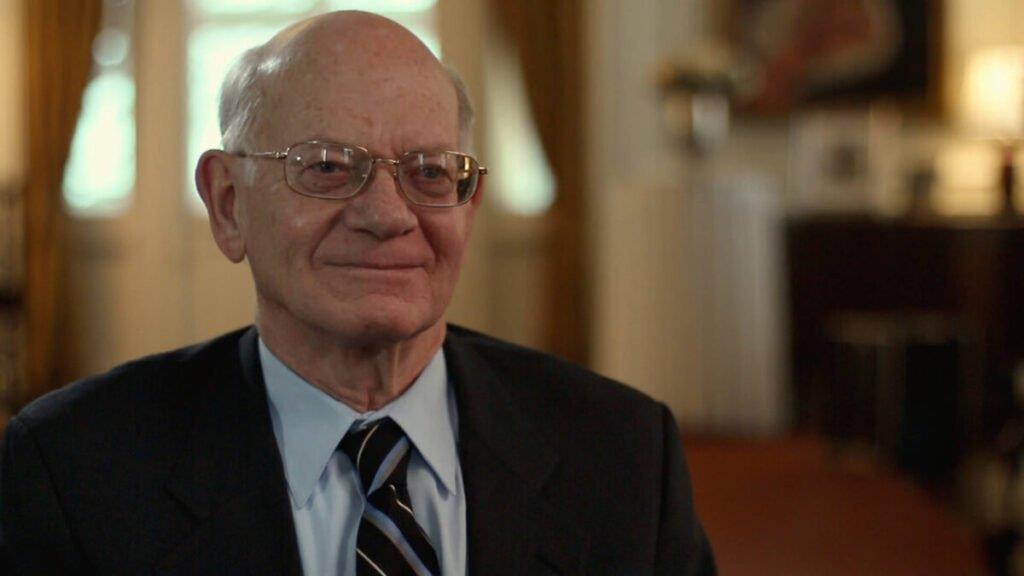
Neumann, who served as U.S. ambassador to Afghanistan from 2005 to 2007, made the remarks in an interview with i24NEWS, arguing that while Washington has profound disagreements with the Taliban, there are practical reasons for maintaining limited engagement with the group.
Asked whether the American flag could one day fly again over the U.S. Embassy in Kabul, Neumann replied:“Yes, I can imagine that.” However, he stressed that reopening the embassy should not happen without measurable changes by the Taliban, saying their treatment of women and girls remains the biggest political obstacle to closer relations with Washington.
“I think the Taliban have to change some of their policies,” Neumann said.“If we ignore what they are doing to women, the political backlash inside the United States would be enormous.”
The United States closed its embassy in Kabul during the collapse of the former Afghanistan government and the withdrawal of U.S. forces in August 2021. Washington has not recognized the Taliban government, and U.S. diplomatic engagement on Afghanistan has since been conducted from outside the country.
Neumann said the Taliban had sought to preserve political ties with the United States even during the Doha negotiations before returning to power. According to him, the group wanted U.S. troops to leave Afghanistan while keeping diplomatic channels open.
He added that Washington is already engaging with the Taliban on a pragmatic basis where interests overlap, including efforts to secure the release of detained Americans in Afghanistan and cooperation on counterterrorism issues. U.S. delegations have traveled to Kabul in recent years to discuss those matters, despite the absence of formal diplomatic relations.
At the same time, Neumann said Taliban policies; especially restrictions on women and girls remain a fundamental barrier to any broader normalization. He argued that the Taliban have become more restrictive since returning to power, describing their interpretation of Islam as“almost medieval” and out of step with the views of many Muslim-majority countries.
Neumann also warned that completely disengaging from Afghanistan could carry long-term risks for the United States. He said Washington has repeatedly distanced itself from Afghanistan in the past, only to face security consequences later.
“We have walked away from Afghanistan several times,” he said.“Every time we do, we eventually get hit somewhere that matters.”
Neumann said Afghanistan's vast mineral resources could eventually become another reason for U.S. engagement, but cautioned that significant investment remains years away. He said the country would need lasting security, stronger rule of law and reliable protections for foreign investors before major mining projects become viable.
Reflecting on the U.S. mission in Afghanistan, Neumann also criticized Washington's development strategy during the two-decade war. He said the United States initially provided too little economic assistance and later poured billions of dollars into Afghanistan too quickly, overwhelming local institutions and fueling corruption.
Neumann argued that any future rapprochement between Washington and the Taliban should be gradual and based on concrete reciprocal steps rather than promises.
“Real action should only be exchanged for real action,” he said, warning that reopening the U.S. Embassy without securing meaningful concessions would signal to the Taliban that they do not need to change their policies.

Legal Disclaimer:
MENAFN provides the
information “as is” without warranty of any kind. We do not accept any
responsibility or liability for the accuracy, content, images, videos,
licenses, completeness, legality, or reliability of the information
contained in this article. If you have any complaints or copyright issues
related to this article, kindly contact the provider above.
Comments
No comment