

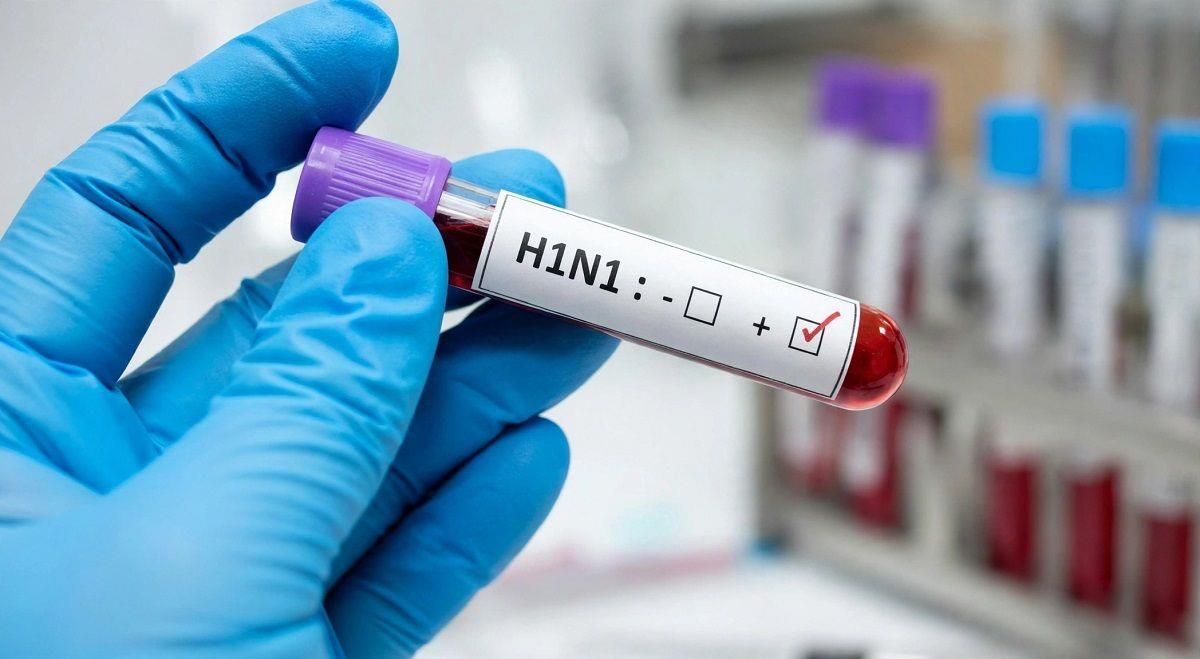
Swine Flu Cases Rise, No New Strain Identified: ICMR


The Influenza strains currently circulating are“well matched with the vaccine strains recommended for the Northern Hemisphere”, they said.
ADVERTISEMENTSeasonal influenza, including H1N1, is mostly self-limiting. Common symptoms include fever, cough, headache and body ache, and most people recover with appropriate care and rest.
However, young children, elderly persons and individuals with underlying medical conditions may be at greater risk of complications, the sources said.
ADVERTISEMENTThe Influenza A (H1N1) pdm09 viruses currently circulating in the country belong to the A/Missouri/11/2025 (H1N1) pdm09-like virus strain, sources at ICMR said.
These viruses belong to clade 6B.1A.5a2a, subclade D.3.1.1, and have been in circulation since 2025.
If symptoms persist, worsen or become severe, timely consultation with a doctor is advised. The situation continues to be closely monitored through regular surveillance, and necessary public health measures are being undertaken, the sources said.
The national capital has recorded over 2,300 Influenza-A cases this year, including over 1,777 H1N1 cases till Friday. The health department said 114 H1N1 cases were reported on Thursday alone.
The Delhi government has issued a health advisory urging people to follow respiratory hygiene, avoid crowded places and seek timely medical advice.
Union Health Minister J P Nadda on Friday reviewed the prevailing H1N1 influenza situation and preparedness across the country, with particular focus on the national capital, and called for continued vigilance, robust surveillance and proactive preparedness.
Delhi Health Minister Pankaj Kumar Singh also attended the meeting.
Read AlsoNo Content AvailableNadda reviewed the national surveillance and epidemiological situation, trends in influenza-like illness (ILI) and severe acute respiratory infection (SARI), testing and laboratory surveillance, and the preparedness of healthcare facilities to manage seasonal influenza cases.
He stressed the need for close monitoring of influenza trends and the timely identification and management of any unusual increase or clustering of cases.
The preparedness of healthcare facilities in Delhi was also reviewed, including the availability of hospital beds, critical care facilities, oxygen-supported beds, ventilators, essential medicines, diagnostics and other critical supplies.

Legal Disclaimer:
MENAFN provides the
information “as is” without warranty of any kind. We do not accept any
responsibility or liability for the accuracy, content, images, videos,
licenses, completeness, legality, or reliability of the information
contained in this article. If you have any complaints or copyright issues
related to this article, kindly contact the provider above.
Comments
No comment