


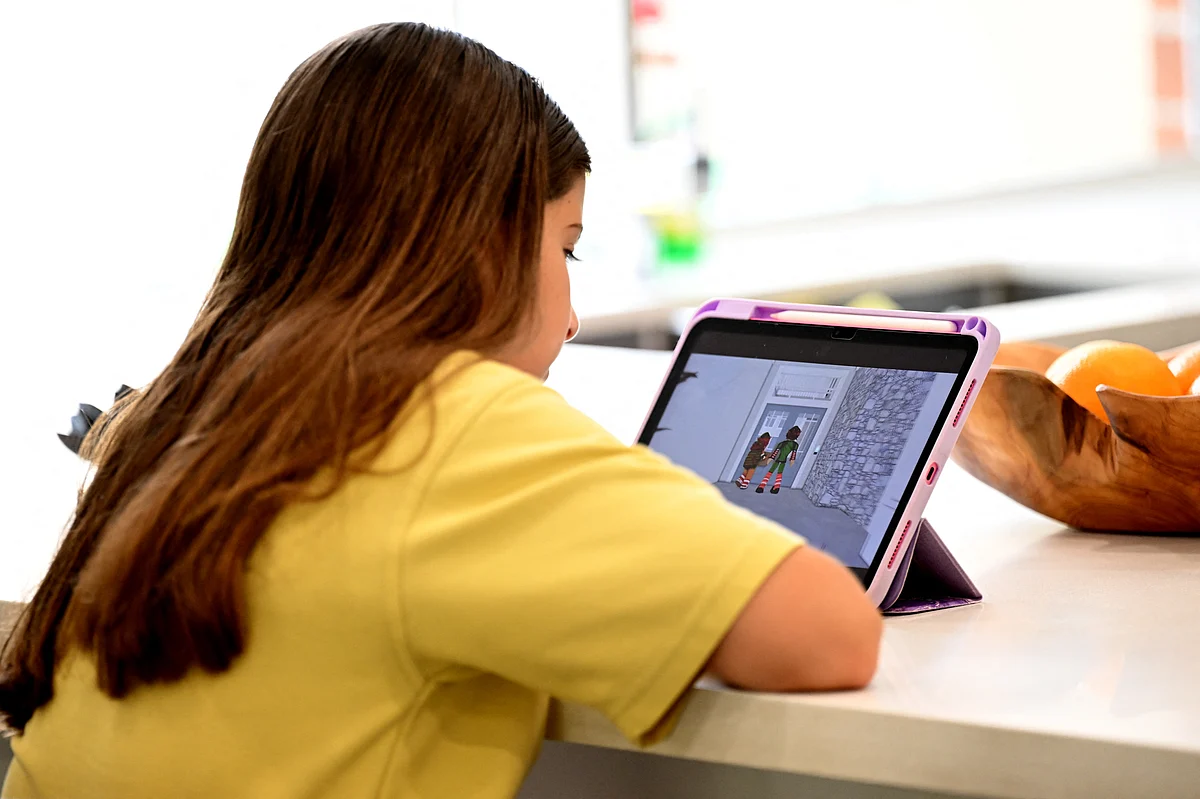
UAE Schools Brace For Change As Under-15 Social Media Rules Reshape Classrooms


Education and mental health experts said the changes could bring benefits including fewer online distractions, reduced social comparison and greater engagement in face-to-face activities, but warned that some children may initially struggle with frustration, isolation or a fear of missing out.
Recommended For YouFor schools, the transition is likely to extend beyond simply reducing students' access to social platforms, with educators and parents expected to play a key role in helping children develop healthier digital habits and the skills needed to navigate social media responsibly when they are older.
Stay up to date with the latest news. Follow KT on WhatsApp Channels.
Back-to-school Cost Calculator
Claire Scowen, Vice President, Risk – Global Lead of Safeguarding and Child Protection at GEMS Education, said children who closely associate social media with their friendships may initially feel frustrated or worried about being left out.
However, reduced access could also create more opportunities for face-to-face interaction, physical activity and healthier routines, Scowen said, stressing that children should understand why the changes are being introduced and feel supported as they adjust.
Removing the distractions associated with social media can support children's ability to focus and engage,” Scowen said, while noting that schools should distinguish between screen time and screen use.
Technology remains an important part of education, meaning the focus should be on helping children develop“healthy, balanced digital habits”, rather than treating all screen use in the same way, she added.
From online pressure to real-world connectionsCarolyn Yaffe, counsellor and cognitive behaviour therapist at Medcare Camali Clinic, said reducing access to social media could have several positive effects on children's mental and emotional wellbeing.
It could reduce the pressure to present a perfect image online, limit exposure to cyberbullying and reduce social comparisons, potentially supporting children's self-esteem and confidence, she said.
At the same time, Yaffe cautioned that social media can also serve as a way for children to communicate with friends, seek support and express themselves. Its absence could therefore leave some children feeling lonely, isolated or anxious as they adjust.
She said parents and schools could ease the transition by encouraging face-to-face interaction through sports, arts, hobbies and extracurricular activities.
After-school clubs, team sports and opportunities to explore new interests can help children replace time spent on social platforms with activities that support social, physical and creative development, she said.
Nashwa Tantawy, psychologist and managing director of Nafsology Psychology Center in Dubai, said the changes could offer significant psychological benefits, particularly by reducing social comparison, cyberbullying and exposure to inappropriate content.
She said children could also benefit through better sleep, stronger face-to-face relationships and greater engagement with family, hobbies and other activities.
But Tantawy warned that parents should not underestimate the emotional impact of removing something that has become part of a child's daily routine.
Children could experience frustration, boredom, fear of exclusion and a sense of missing out, particularly if their peers continue to use social media. With the new school year bringing another major transition, she described the experience as a form of“social grief”.
Parents should therefore present the restrictions as a lifestyle change rather than a punishment, while giving children space to express feelings of sadness, frustration or anxiety about social isolation, she said.
Tantawy recommended preparing children ahead of the transition and, where appropriate, giving them an opportunity to preserve memories and say goodbye to online contacts, while creating alternative ways to maintain friendships through phone calls, in-person meetings and outings.
Parents should also expect some resistance during the adjustment period, she said, while validating children's emotions and maintaining clear boundaries and routines.
Could classrooms become more focused?Experts said reduced recreational social media use could also affect classroom concentration.
Yaffe said social media platforms are designed to capture and repeatedly redirect attention, making it harder for students to maintain focus for extended periods.
With fewer distractions, children may be able to engage more deeply with lessons and have more meaningful learning experiences, she said. Spending less time on screens could also support healthier routines and better sleep, which can influence students' participation in school.
Tantawy similarly said reducing recreational social media use could help children rebuild sustained attention by limiting the rapid stimulation and frequent interruptions associated with social platforms.
However, she stressed that the wider issue is not simply social media, but the balance between digital stimulation and developmentally important activities, including physical exercise, face-to-face interaction and creativity.
Scowen also emphasised the distinction between different forms of screen use, noting that technology remains an essential part of modern education.
Preparing children for life beyond the restrictionsThe experts said limiting access does not remove the need for digital education.
Children will still need to understand privacy, digital footprints, misinformation, online behaviour and the ways algorithms influence what they see, Scowen said.
Tantawy said children should also learn to recognise manipulation and misinformation, understand how algorithms work, protect personal information, establish healthy online boundaries, show empathy and develop emotional self-regulation.
Yaffe said parents and teachers can help children build these skills by teaching them how to use privacy settings, assess whether information and sources are trustworthy, recognise misinformation and behave respectfully online.
Developing self-control and establishing clear technology rules can help children become more confident and responsible users when they eventually gain greater independence online, she said.
Schools, meanwhile, have a role in supporting face-to-face interaction, helping students rebuild concentration and maintaining open communication with parents and children when concerns arise.
As students return to school, the experts said the success of the new rules will depend not only on limiting access, but on what replaces social media in children's daily lives, from friendships and sports to hobbies, classroom engagement and opportunities to develop resilience offline.
ALSO READ- 'Insta parenting' can lead to children feeling exploited by parents, UAE doctors warn Bullying, vaping, gaming addiction prompt new UAE school awareness initiative

Legal Disclaimer:
MENAFN provides the
information “as is” without warranty of any kind. We do not accept
any responsibility or liability for the accuracy, content, images,
videos, licenses, completeness, legality, or reliability of the information
contained in this article. If you have any complaints or copyright
issues related to this article, kindly contact the provider above.


Comments
No comment