

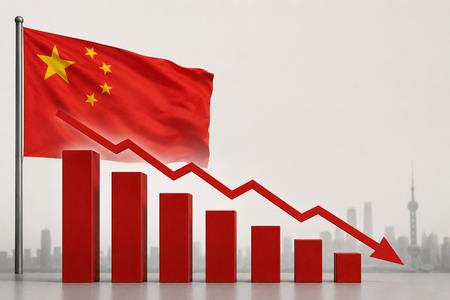
AI Disruption Leaves China's Software Workers Facing Layoffs, Job Insecurity


According to analysis by Daily Mirror, the rapid adoption of AI coding tools is raising concerns that fewer programmers could produce significantly more software. Companies are increasingly using AI systems to automate coding and other forms of mental labour, potentially reducing demand for some traditionally high-skilled roles.
The disruption is particularly stark in China's technology sector, where the demanding 996 work culture -- 9 am to 9 pm, six days a week -- had long been associated with high salaries and career advancement, it said.
In addition, China's software and information technology services industry employed 8.09 million people in 2021, while the country has more than seven million software engineers, according to figures cited in the report.
The sector had offered a pathway into the middle class, with technology giants such as Tencent, Alibaba and ByteDance attracting graduates from leading universities.
However, layoffs have increasingly affected workers across experience levels. Employees in their 30s and 40s are particularly vulnerable as companies seek to lower costs and reorganise around AI-enabled productivity.
The article cites examples of workers who spent years at major technology companies before being dismissed, including a 45-year-old employee who had worked at Alibaba for 22 years. Others have reported months without employment despite advanced degrees and experience at major firms.
“A female programmer with a master's degree from a top 985 university has been unemployed for six months, struggling with a $2,400 mortgage and dwindling savings,” the report highlights.
The pressure comes as AI tools become capable of handling increasingly sophisticated programming tasks, with some projects that previously took weeks or months reportedly being completed much faster, it added.
For many workers, the challenge extends beyond finding another job. Mortgages, children's education and falling property values have increased financial pressure on families that built their lives around relatively stable technology-sector incomes, according to the report.

Legal Disclaimer:
MENAFN provides the
information “as is” without warranty of any kind. We do not accept any
responsibility or liability for the accuracy, content, images, videos,
licenses, completeness, legality, or reliability of the information
contained in this article. If you have any complaints or copyright issues
related to this article, kindly contact the provider above.
Comments
No comment