

Fuad Shabanov: From ADEX To AW189 - Building Western Aviation Capability In The Caspian Region


That intersection was visible at ADEX 2024 in Baku, where Exclases Group represented Leonardo Helicopters. Official presidential coverage noted that Italy participated in the exhibition through Exclases Group, described as a trusted partner of Leonardo Helicopters, and that an AgustaWestland 109 helicopter was displayed at the exhibition.
For Shabanov, being present near such a high-level presentation was not just a memorable personal moment. It reflected the environment in which serious aviation projects are built in the Caspian region: trust, capability, institutional visibility, and long-term relationships.
Interviewer: Your ADEX photo near the President of Azerbaijan is a strong opening image. What did that moment mean to you?
Fuad Shabanov: It was a profound honor to be present in that environment.
When the President of Azerbaijan views an aviation platform at ADEX, the moment carries meaning beyond the exhibition itself. It shows that aviation in our region is connected to national capability, international cooperation, and long-term strategic relationships.
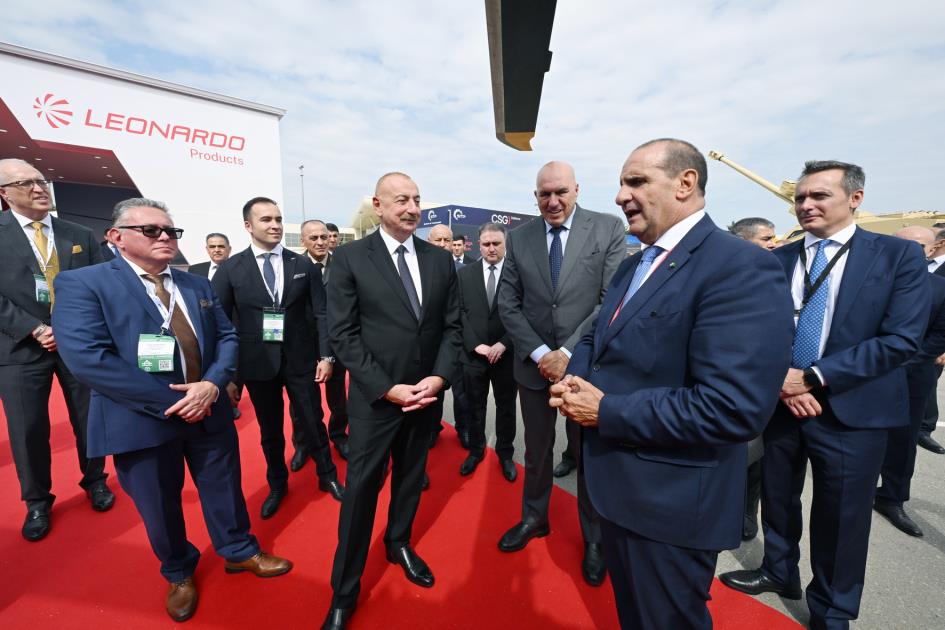
For me personally, the importance was not to claim personal endorsement. That would be the wrong way to describe it. The real meaning was that the work I was involved in stood inside a serious aviation environment - one where international manufacturers, regional representatives, government stakeholders, and advanced aircraft capability come together.
ADEX showed the public side of that world. Behind it are years of trust-building, technical discussions, customer relationships, and manufacturer confidence. Being there was an honor, but it was also a reminder that aviation work at this level carries responsibility.
Interviewer: Why was the Exclases / Leonardo presence at ADEX professionally important?
Fuad Shabanov: Because it showed that Leonardo Helicopters and Exclases were not operating in the region as a casual commercial presence. They were visible in a formal aviation and defense environment, with official attention and public documentation.
In smaller strategic markets, visibility matters. A customer wants to know that the manufacturer is serious, that the representative structure is credible, and that the aircraft platform has long-term support behind it.
The official presidential coverage specifically identified Exclases Group as a trusted partner of Leonardo Helicopters. That is important because in aviation, trust is not marketing language. Trust affects whether serious operators, institutions, and government-adjacent stakeholders are willing to engage with a platform.
For me, ADEX represented the institutional side of aviation market development. It was not just about displaying a helicopter. It was about showing that the manufacturer, the representative, and the market were connected at a serious level.
Interviewer: People outside aviation may see an aircraft exhibition as a promotional event. What do they miss?
Fuad Shabanov: They miss the context.
In aviation, especially in our region, an exhibition is often the visible surface of much deeper work. Behind one aircraft display, there may be discussions about fleet modernization, mission requirements, safety standards, training, maintenance, financing, government priorities, and long-term cooperation.
Aviation is different from many industries because the asset is not just expensive; it is operationally sensitive. Aircraft decisions affect safety, reputation, operational continuity, and sometimes national or institutional capability.
So when an aircraft is presented at a platform like ADEX, it is not simply a product on display. It is a statement that the market is ready to discuss higher standards, new capability, and deeper cooperation with international aerospace manufacturers.
Interviewer: ADEX showed visibility. The AW189 project showed delivery in December of 2025. How did the AW189 project fit into this wider aviation story?
Fuad Shabanov: The AW189 project was the execution side of the story.
ADEX showed how international aviation capability is presented in a serious national setting. The AW189 project showed how that capability can become real for an operator and for the region.
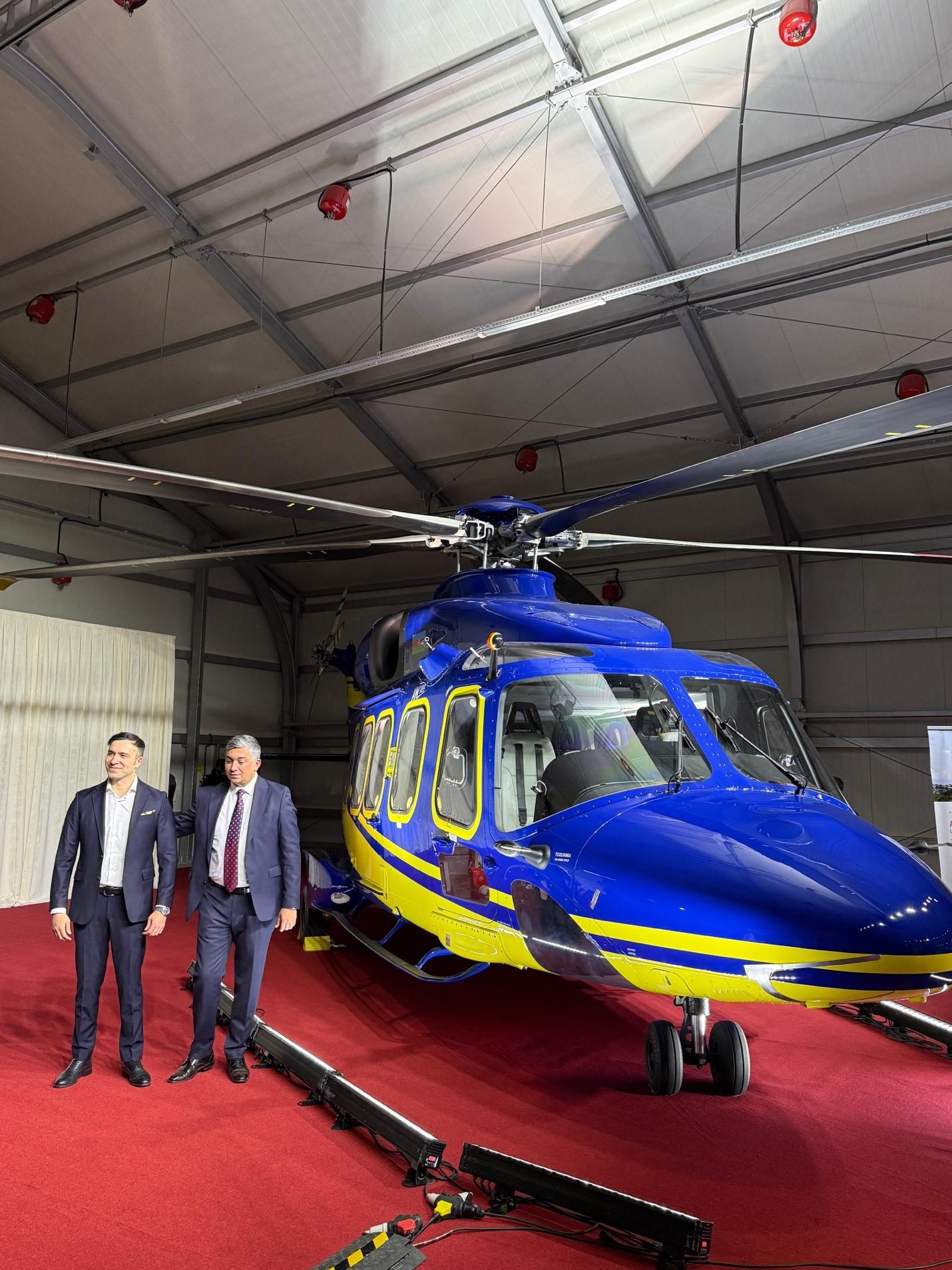
ASG Helicopter Services introduced two Leonardo AW189 super-medium, offshore-configured helicopters in Azerbaijan. Public aviation reporting described the aircraft as supporting offshore operations in the Caspian Sea, with the first aircraft officially presented in the country on December 17 and the second expected afterward.
That is why the project mattered. It was not simply a helicopter arriving. It was a modern offshore-capable platform entering the Caspian aviation environment.
Interviewer: Why was the AW189 important for Azerbaijan and the Caspian region?
Fuad Shabanov: The Caspian region has a serious offshore energy environment. Helicopters in that context are not symbolic assets. They support people, logistics, operational continuity, and safety.
ASG's core activity includes transporting passengers and cargo to oil platforms in the Caspian Sea. So when a modern offshore helicopter platform is introduced, it can affect more than one company. It can influence operational expectations, fleet standards, and confidence around offshore aviation.
The AW189 is positioned for demanding operations, combining payload, range, and advanced technology. Leonardo describes the platform as a multi-mission helicopter for demanding operations, with features such as a main transmission with 50-minute run-dry capability and an auxiliary power unit.
So the importance was not only commercial. The project touched aviation safety, offshore logistics, and regional capability.
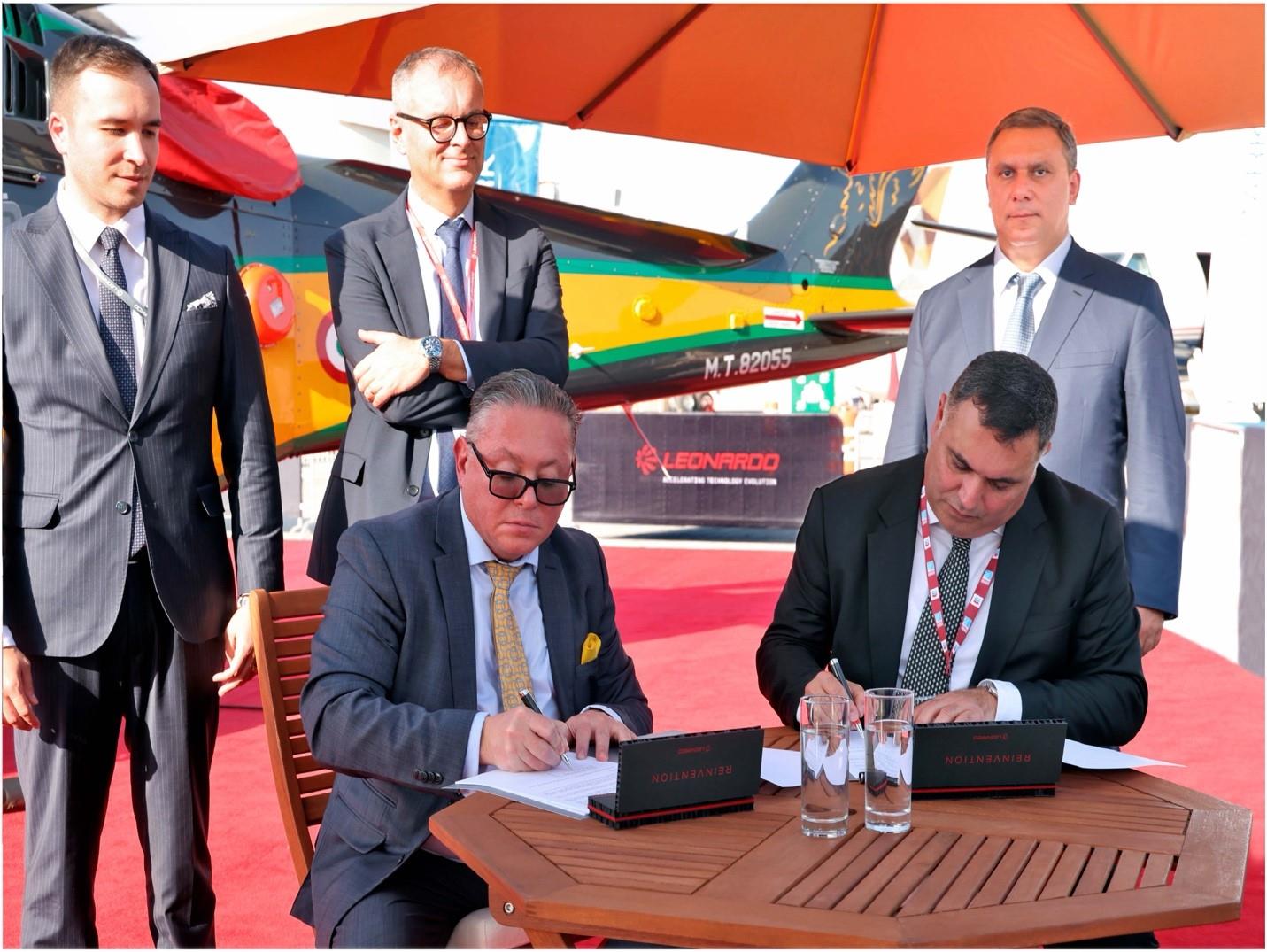
Interviewer: You have photos from the signing process and from the delivery. In aviation, what is the difference between those two moments?
Fuad Shabanov: A signing ceremony shows intention. Delivery shows execution.
In aviation, many opportunities look promising at the beginning. There are meetings, presentations, technical discussions, and high-level interest. But not every project becomes aircraft on the ground.
Delivery means the project survived reality. It means customer confidence, manufacturer coordination, operational questions, technical-commercial alignment, and internal decision-making all moved far enough for the aircraft to actually arrive.
That is why the AW189 delivery was important to me. The strongest part of the story was not being photographed at a ceremony. The strongest part was seeing the project become real aviation capability in the Caspian region.
Interviewer: What does the public not usually see behind a helicopter acquisition like this?
Fuad Shabanov: The public sees the aircraft and the ceremony. It does not see the alignment process.
For a serious helicopter acquisition, the operator is not just asking,“Can we buy this aircraft?” The real questions are deeper: Does the platform fit our mission? Can it support offshore operations? What is the support structure? How does it fit into our existing fleet? How will technical teams evaluate it? How will senior decision-makers understand the long-term value?
My role was on the commercial and coordination side - helping connect the customer environment, the OEM-side representation, technical-commercial information, and stakeholder follow-up.
I was not the engineer certifying the aircraft and I was not the pilot operating it. My contribution was helping the project move through the human, commercial, and institutional side of aviation - the part where many good opportunities either progress or disappear.
Interviewer: What makes offshore helicopter aviation different from normal commercial aviation?
Fuad Shabanov: Offshore helicopter aviation is mission-driven and safety-sensitive.
The aircraft is not purchased for image. It is purchased to perform reliably in a demanding environment. Operators think about safety systems, operational readiness, crew and passenger transport, maintenance support, range, equipment, and compliance with serious expectations.
Business Air News described the offshore-configured AW189 as capable of carrying up to 16 passengers and two crew, with enhanced offshore capabilities for long-range transport, SAR support, and energy-sector operations.
That is why this type of project is more complex than a normal sale. You need to understand not only the aircraft, but also the mission behind the aircraft.
Interviewer: Some reports described the AW189 introduction as a regional milestone. How do you see that?
Fuad Shabanov: It was a milestone because it raised the benchmark for offshore helicopter capability in the region.
RotorHub reported that ASG took delivery of the first of two AW189 super-medium helicopters in offshore configuration and described the aircraft as the first AW189 to operate in the Central Asian and Caucasus region.
That kind of milestone matters because aviation markets develop through examples. When a serious operator introduces a modern platform, other stakeholders see what is possible. It can influence expectations around safety, range, mission capability, and support.
For Azerbaijan, it also reinforced the country's position as a serious aviation market connected to energy, infrastructure, and international aerospace cooperation.
Interviewer: Your career includes both Gulfstream business aviation and Leonardo helicopters. What connects those two worlds?
Fuad Shabanov: At first, they look like separate worlds. One is long-range business aviation. The other is rotary-wing and mission-driven helicopter operations.
But the professional foundation is similar. In both cases, the work requires trust between international manufacturers and regional decision-makers. It requires understanding the customer's real mission, explaining advanced aircraft capability, and helping move serious opportunities from interest toward execution.
With Gulfstream, the focus was institutional and long-range aircraft capability. With Leonardo, the focus was helicopter operations, offshore capability, and mission requirements. The aircraft were different, but the environment was the same: complex regional markets where relationships, credibility, technical understanding, and execution discipline matter.
Interviewer: If you had to describe your aviation work in one idea, what would it be?
Fuad Shabanov: I would describe it as helping advanced Western aviation capability enter complex regional markets.
That includes aircraft, but it is not only about aircraft. It is about the environment around the aircraft - the operator, the manufacturer, the decision-makers, the mission, the public visibility, and the trust required to move from discussion to delivery.
For me, the most meaningful projects are the ones that become real: aircraft delivered, capability introduced, standards raised, and long-term relationships strengthened.
That is the aviation work I understand best.

Legal Disclaimer:
MENAFN provides the
information “as is” without warranty of any kind. We do not accept any
responsibility or liability for the accuracy, content, images, videos,
licenses, completeness, legality, or reliability of the information
contained in this article. If you have any complaints or copyright issues
related to this article, kindly contact the provider above.
Comments
No comment