

403
Sorry!!
Error! We're sorry, but the page you were looking for doesn't exist.
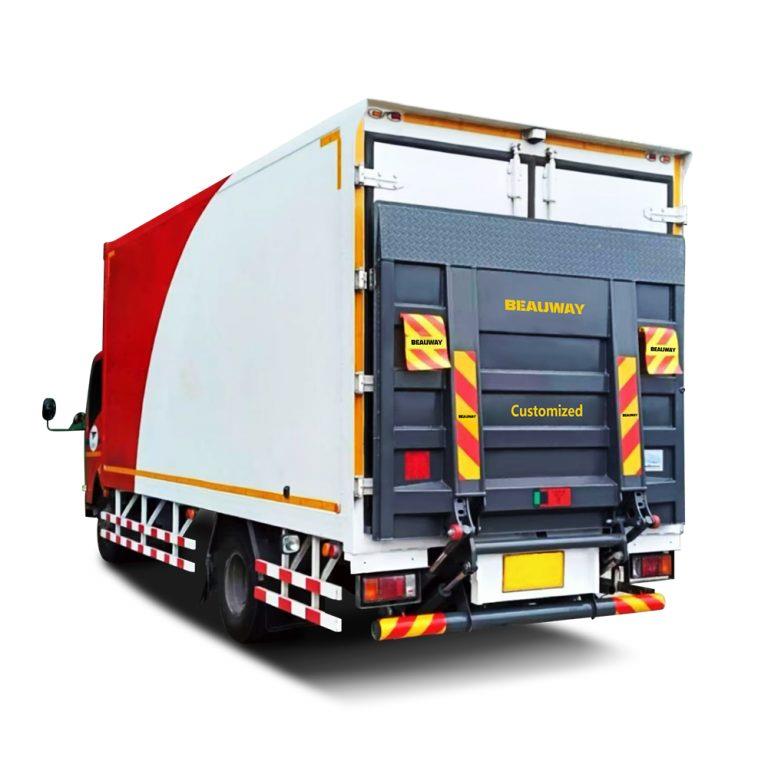
Liftgate Repair: DIY Fixes vs. When to Call a Professional


(MENAFN- Global Industrial Parts Inc.) Liftgate repair covers everything from a five-minute fix — reseating a loose connector or resetting a tripped breaker — to a full cylinder or pump replacement that involves working on a pressurized hydraulic system. The gap between those two ends of the spectrum is exactly why "can I fix this myself" does not have one universal answer; the right response depends on what part of the liftgate is actually causing the problem, not on how the symptom looks from the outside.
It is common in the industry for operators to either attempt repairs beyond their training because a problem looks simple, or to call a technician for something that a basic check could have resolved in minutes. Both patterns are costly in different ways — the first through safety risk and potential further damage, the second through unnecessary downtime and service cost. A clear line between what is reasonable to check yourself and what should go to a professional avoids both mistakes.
Repairs Generally Reasonable to Attempt
A number of common liftgate issues involve straightforward, low-risk checks that a trained operator or in-house maintenance staff can typically perform without specialized hydraulic tools.
Checking and topping off hydraulic fluid to the specified level.
Cleaning and re-securing corroded or loose electrical connections at the battery, switch, or control box.
Resetting a tripped circuit breaker and identifying whether it trips again under normal load.
Lubricating hinge points and mechanical joints as specified for the unit.
Replacing a worn control switch, when the wiring and connectors themselves are in good condition.
These items overlap closely with routine maintenance, which is why a consistent liftgate maintenance checklist reduces how often a repair situation comes up in the first place.
Repairs That Generally Require a Professional
Once a diagnosis points to an internal hydraulic component or a structural issue, the risk profile changes, and professional service is typically the safer and more cost-effective path.
Cylinder seal replacement or any repair involving disassembly of a pressurized hydraulic component.
Pump or motor replacement, particularly where internal wear rather than a simple connection issue is suspected.
Structural repair to the platform, hinges, or mounting frame, where improper repair could create a load-bearing safety issue.
Any repair on a unit still under a manufacturer or installer warranty, where unauthorized work may affect warranty coverage.
Diagnosis that has not clearly isolated the cause, since working on the wrong component wastes time and can mask the real issue.
The underlying reason for drawing this line is not complexity for its own sake — it is that hydraulic components operate under pressure, and an improperly reassembled seal or fitting can fail suddenly under load rather than gradually, which is a meaningfully different risk than an electrical connection issue.
Decision Framework: Repair Type and Risk Level
Issue TypeRisk LevelTypical Path
Loose or corroded electrical connectionLowIn-house check and repair
Low hydraulic fluid, no visible leakLowIn-house top-off, monitor for recurrence
Visible hydraulic leak at a fittingModerateIn-house inspection; professional repair if internal
Cylinder or pump internal wearHighProfessional service required
Structural or mounting damageHighProfessional service required
Recurring issue after in-house fixModerate to HighProfessional diagnosis recommended
Cost and Downtime Considerations
Repair cost is driven less by the visible symptom and more by which system is actually affected — a corroded connector and a failing internal pump can produce a similar-looking symptom on the surface, but the cost and time to resolve them differ substantially. Attempting a repair beyond the appropriate skill level does not just risk safety; it can also turn a moderate repair into a larger one if a component is damaged during an improper attempt, or if the underlying cause is misdiagnosed and the same symptom returns shortly after. Working through the hydraulic liftgate troubleshooting process before deciding on a repair path helps confirm which category an issue actually falls into, rather than guessing based on the symptom alone.
When a Unit Should Be Taken Out of Service Immediately
Regardless of repair skill level, certain symptoms warrant taking a liftgate out of service until it has been inspected, rather than attempting any repair on the spot:
The platform drifts or lowers on its own without input.
A hydraulic leak is actively occurring, particularly under load.
The platform moves unevenly or shows signs of structural stress.
Warning decals indicate a condition (such as overload) that has not been resolved.
Continuing to operate a liftgate showing these signs — even for what seems like a light load — carries a safety risk that outweighs the inconvenience of taking the unit out of service until it is properly assessed.
Frequently Asked Questions
Can I repair a liftgate hydraulic leak myself? Identifying that a leak exists is generally within reach, but repairing it depends on the source. A loose external fitting may be reasonable to tighten; a leak from an internal seal typically requires a professional due to the pressurized components involved.
How much does liftgate repair typically cost? Cost varies widely depending on whether the issue is electrical, a minor hydraulic component, or an internal pump or cylinder repair. Getting an accurate diagnosis first, rather than assuming the worst case, is the most reliable way to estimate cost.
When should I replace a liftgate instead of repairing it? This generally becomes a consideration when repairs are recurring, when the unit is significantly beyond its typical service life, or when the cost of a major internal repair approaches a meaningful share of replacement cost.
Is it safe to keep using a liftgate with a minor issue while waiting for repair? It depends on the symptom. Cosmetic wear or a minor electrical quirk may be acceptable to monitor briefly, but any sign of hydraulic leakage, drifting, or uneven movement should take the unit out of service immediately rather than waiting.
Making the Right Call
Sound liftgate repair decisions come down to correctly identifying which system is affected before deciding who should do the work — not to a fixed rule about DIY versus professional service. Electrical and basic maintenance-adjacent issues are generally reasonable to handle in-house, while anything involving internal hydraulic components or structural integrity is worth the cost of professional service given the safety stakes involved. Operations that pair a consistent maintenance routine with a clear-eyed repair decision process tend to spend less overall, since most of their issues are caught and resolved at the low-risk, low-cost end of the spectrum before they ever reach the point of requiring a major repair.
It is common in the industry for operators to either attempt repairs beyond their training because a problem looks simple, or to call a technician for something that a basic check could have resolved in minutes. Both patterns are costly in different ways — the first through safety risk and potential further damage, the second through unnecessary downtime and service cost. A clear line between what is reasonable to check yourself and what should go to a professional avoids both mistakes.
Repairs Generally Reasonable to Attempt
A number of common liftgate issues involve straightforward, low-risk checks that a trained operator or in-house maintenance staff can typically perform without specialized hydraulic tools.
Checking and topping off hydraulic fluid to the specified level.
Cleaning and re-securing corroded or loose electrical connections at the battery, switch, or control box.
Resetting a tripped circuit breaker and identifying whether it trips again under normal load.
Lubricating hinge points and mechanical joints as specified for the unit.
Replacing a worn control switch, when the wiring and connectors themselves are in good condition.
These items overlap closely with routine maintenance, which is why a consistent liftgate maintenance checklist reduces how often a repair situation comes up in the first place.
Repairs That Generally Require a Professional
Once a diagnosis points to an internal hydraulic component or a structural issue, the risk profile changes, and professional service is typically the safer and more cost-effective path.
Cylinder seal replacement or any repair involving disassembly of a pressurized hydraulic component.
Pump or motor replacement, particularly where internal wear rather than a simple connection issue is suspected.
Structural repair to the platform, hinges, or mounting frame, where improper repair could create a load-bearing safety issue.
Any repair on a unit still under a manufacturer or installer warranty, where unauthorized work may affect warranty coverage.
Diagnosis that has not clearly isolated the cause, since working on the wrong component wastes time and can mask the real issue.
The underlying reason for drawing this line is not complexity for its own sake — it is that hydraulic components operate under pressure, and an improperly reassembled seal or fitting can fail suddenly under load rather than gradually, which is a meaningfully different risk than an electrical connection issue.
Decision Framework: Repair Type and Risk Level
Issue TypeRisk LevelTypical Path
Loose or corroded electrical connectionLowIn-house check and repair
Low hydraulic fluid, no visible leakLowIn-house top-off, monitor for recurrence
Visible hydraulic leak at a fittingModerateIn-house inspection; professional repair if internal
Cylinder or pump internal wearHighProfessional service required
Structural or mounting damageHighProfessional service required
Recurring issue after in-house fixModerate to HighProfessional diagnosis recommended
Cost and Downtime Considerations
Repair cost is driven less by the visible symptom and more by which system is actually affected — a corroded connector and a failing internal pump can produce a similar-looking symptom on the surface, but the cost and time to resolve them differ substantially. Attempting a repair beyond the appropriate skill level does not just risk safety; it can also turn a moderate repair into a larger one if a component is damaged during an improper attempt, or if the underlying cause is misdiagnosed and the same symptom returns shortly after. Working through the hydraulic liftgate troubleshooting process before deciding on a repair path helps confirm which category an issue actually falls into, rather than guessing based on the symptom alone.
When a Unit Should Be Taken Out of Service Immediately
Regardless of repair skill level, certain symptoms warrant taking a liftgate out of service until it has been inspected, rather than attempting any repair on the spot:
The platform drifts or lowers on its own without input.
A hydraulic leak is actively occurring, particularly under load.
The platform moves unevenly or shows signs of structural stress.
Warning decals indicate a condition (such as overload) that has not been resolved.
Continuing to operate a liftgate showing these signs — even for what seems like a light load — carries a safety risk that outweighs the inconvenience of taking the unit out of service until it is properly assessed.
Frequently Asked Questions
Can I repair a liftgate hydraulic leak myself? Identifying that a leak exists is generally within reach, but repairing it depends on the source. A loose external fitting may be reasonable to tighten; a leak from an internal seal typically requires a professional due to the pressurized components involved.
How much does liftgate repair typically cost? Cost varies widely depending on whether the issue is electrical, a minor hydraulic component, or an internal pump or cylinder repair. Getting an accurate diagnosis first, rather than assuming the worst case, is the most reliable way to estimate cost.
When should I replace a liftgate instead of repairing it? This generally becomes a consideration when repairs are recurring, when the unit is significantly beyond its typical service life, or when the cost of a major internal repair approaches a meaningful share of replacement cost.
Is it safe to keep using a liftgate with a minor issue while waiting for repair? It depends on the symptom. Cosmetic wear or a minor electrical quirk may be acceptable to monitor briefly, but any sign of hydraulic leakage, drifting, or uneven movement should take the unit out of service immediately rather than waiting.
Making the Right Call
Sound liftgate repair decisions come down to correctly identifying which system is affected before deciding who should do the work — not to a fixed rule about DIY versus professional service. Electrical and basic maintenance-adjacent issues are generally reasonable to handle in-house, while anything involving internal hydraulic components or structural integrity is worth the cost of professional service given the safety stakes involved. Operations that pair a consistent maintenance routine with a clear-eyed repair decision process tend to spend less overall, since most of their issues are caught and resolved at the low-risk, low-cost end of the spectrum before they ever reach the point of requiring a major repair.
Global Industrial Parts Inc.
Legal Disclaimer:
MENAFN provides the
information “as is” without warranty of any kind. We do not accept any
responsibility or liability for the accuracy, content, images, videos,
licenses, completeness, legality, or reliability of the information
contained in this article. If you have any complaints or copyright issues
related to this article, kindly contact the provider above.
Comments
No comment