

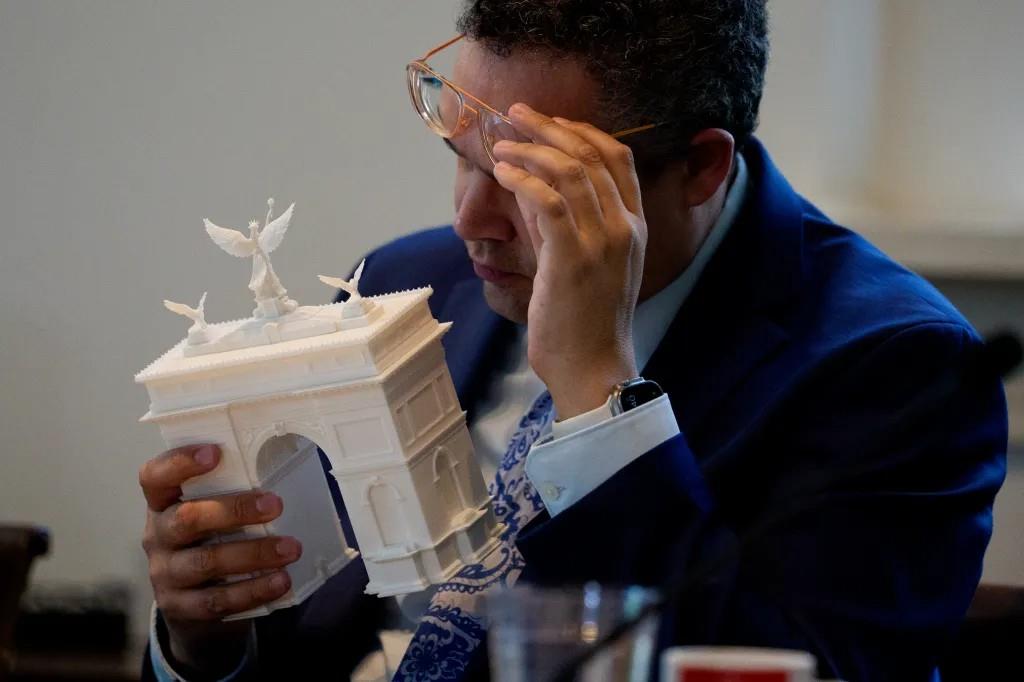
Proposal By Trump-Backed Officials Limits Historic Sites Protections


A draft federal proposal could sharply narrow public oversight of construction on historic sites, including places tied to Indigenous heritage, if it wins approval from the Advisory Council on Historic Preservation (ACHP). The internal plan, sent Friday by a council whose membership is largely made up of Trump appointees or leaders of Trump-controlled agencies, would eliminate requirements for public and state input before work begins on protected sites.
The changes would affect Section 106, the long-standing review process that applies to projects on federal land, projects funded by the federal government, and private developments that need federal approval. Under the current system, agencies must evaluate potential harm before breaking ground and hear from the public, states, and preservation groups. The process does not give opponents a veto, but it can surface objections and slow projects that threaten historic places.
Critics say the draft would go much further than streamlining. Charles A. Birnbaum, chief executive of the Cultural Landscape Foundation, told the Washington Post that the proposal is“not only a massive assault on laws that have benefited that nation for some 60 years, it almost completely eliminates the role of the public.” Marion F. Werkheiser, an attorney with Cultural Heritage Partners, warned that communities could learn about major projects only when construction crews arrive. Her firm is involved in a lawsuit over Trump's planned changes to the Eisenhower Executive Office Building and the John F. Kennedy Center for the Performing Arts.
Werkheiser also said the draft could narrow what counts as historic property eligible for protection, potentially leaving land sacred to Indigenous tribes outside the review process. That concern has intensified fears that the proposal could clear a path for controversial projects in Washington, D.C., while weakening safeguards for historic places nationwide.
The ACHP says the revisions would align with“the flexible, easily administrable process Congress envisioned” and reduce red tape. One listed change would make public comment optional rather than mandatory in Section 106. Vice Chairman Travis Voyles has asked council members to vote on the draft amendments by Friday. The White House declined to comment.

Legal Disclaimer:
MENAFN provides the
information “as is” without warranty of any kind. We do not accept any
responsibility or liability for the accuracy, content, images, videos,
licenses, completeness, legality, or reliability of the information
contained in this article. If you have any complaints or copyright issues
related to this article, kindly contact the provider above.
Comments
No comment