


Canva Code 2.0 Explained: How The New AI Tool Builds Websites And Apps


The idea is part of a growing trend known as“vibe coding,” where users describe what they want instead of writing code line by line. But Canva's pitch is slightly different: it does not just generate a working page and leave users to figure out the rest. It lets them edit the final result like any other Canva design.
Stay up to date with the latest news. Follow KT on WhatsApp Channels.
Recommended For YouThat means users can change text, swap images, adjust colours, apply brand fonts and refine individual sections inside the familiar Canva editor. For marketers, small businesses and creators in the UAE, this could be useful for quickly building campaign pages, event microsites, interactive product explainers, classroom tools, quizzes, calculators or simple web apps.
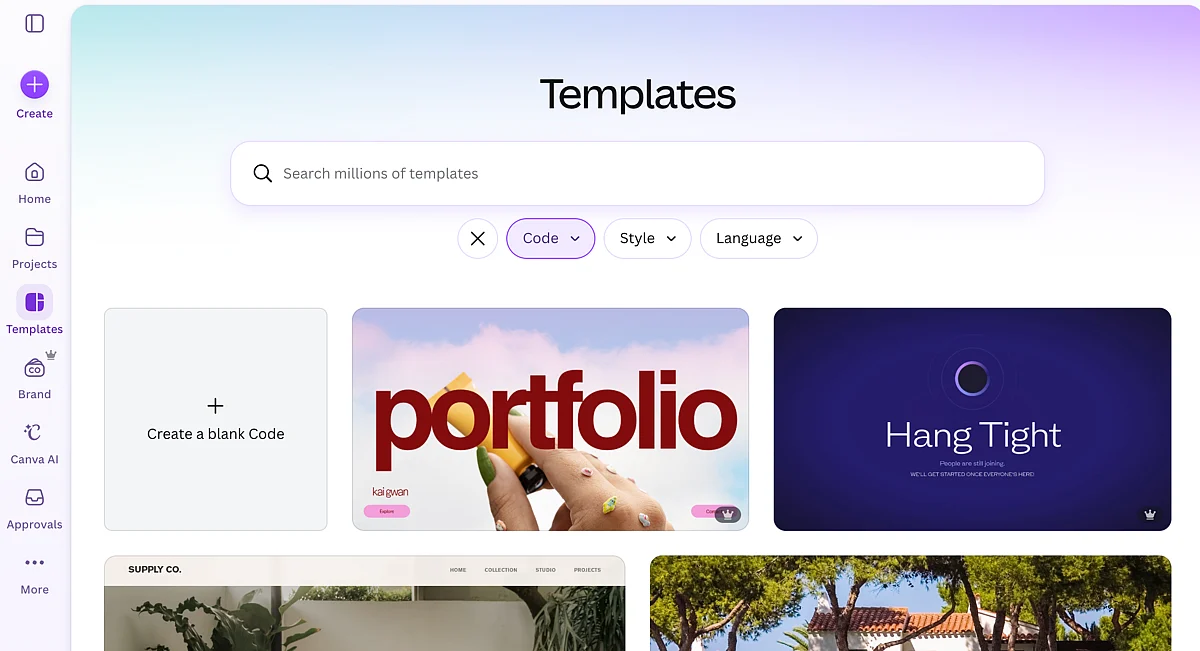
Users can start in three ways: type a prompt, choose from more than 50 Canva Code templates, or import existing HTML from another tool and continue editing it inside Canva. That last feature is particularly useful for people who have already created a page using another AI assistant but want to make it more polished and on-brand.
Canva says Code 2.0 also supports real-time collaboration, allowing teams to comment, review and refine projects together. Finished outputs are interactive, automatically adjust to different screen sizes and can be previewed on mobile before publishing.
When a project is ready, users can publish it to a free Canva domain, connect a custom domain or share it securely within an organisation.
The biggest benefit is speed. Canva says code generation is now 75 per cent faster, while the time from prompt to published output is 30 per cent faster.
Still, Canva Code 2.0 is not a full replacement for professional developers. Businesses building complex platforms, secure payment systems or mission-critical apps will still need proper testing, security checks and technical oversight.
But for everyday creators, teachers, founders and marketing teams, Canva Code 2.0 lowers the barrier to building interactive digital experiences. Instead of starting with code, users can now start with an idea and turn it into something people can actually use and share.
Want to know more about your favourite tech products, brands, and video games? Check out the links below or click here to see Khaleej Times' coverage on technology.
ALSO READ- ChatGPT Work explained: Features, UAE availability and which plan is best How a Dubai programme is giving students a head start in AI, digital creation How to use AI as a job interview coach? Key prompts that can help you prepare better

Legal Disclaimer:
MENAFN provides the
information “as is” without warranty of any kind. We do not accept
any responsibility or liability for the accuracy, content, images,
videos, licenses, completeness, legality, or reliability of the information
contained in this article. If you have any complaints or copyright
issues related to this article, kindly contact the provider above.


Comments
No comment