


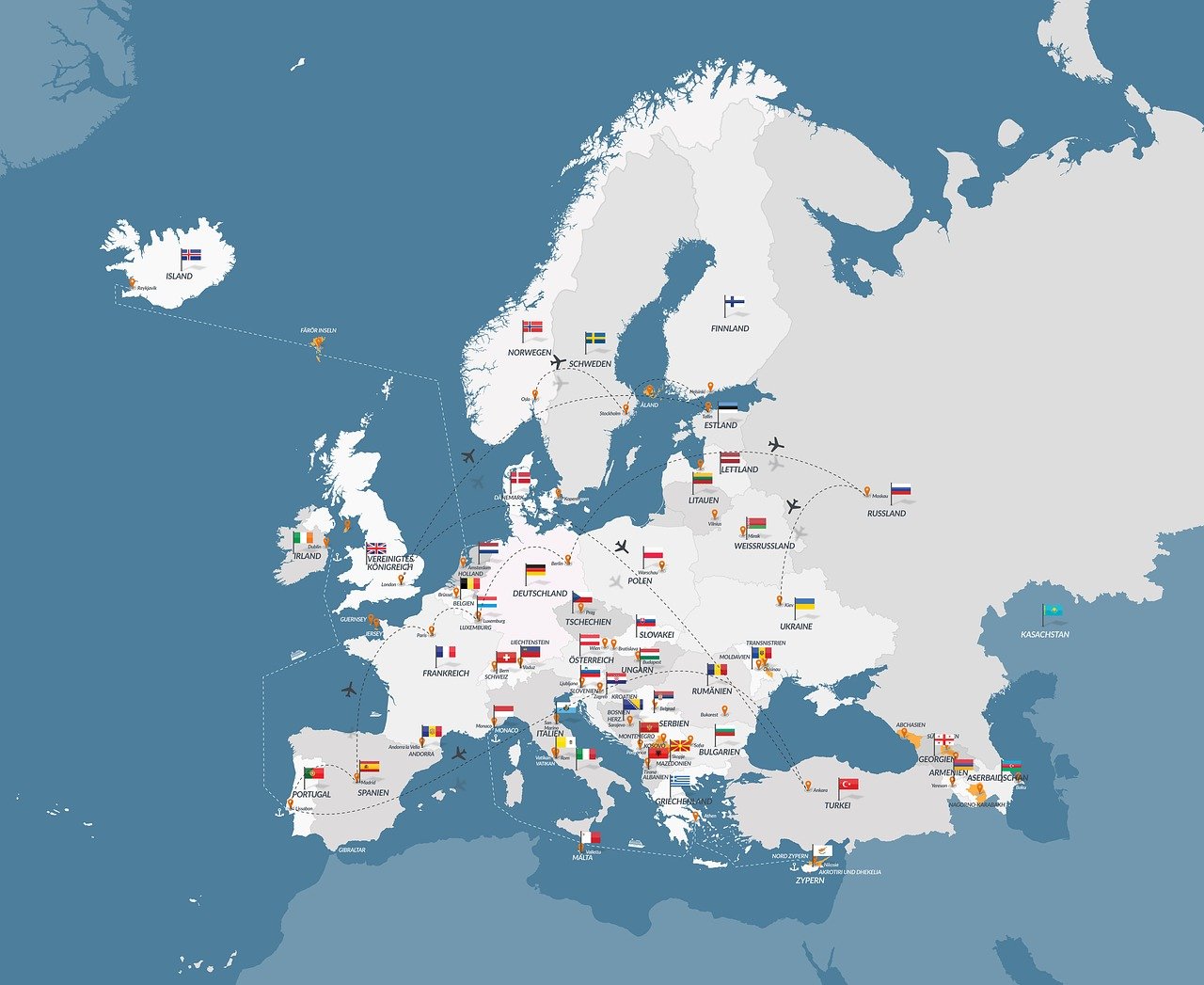
Europe’s Security Future: Why Rearmament Alone May Not Be Enough


(MENAFN) In 1967, NATO faced a fundamental debate that has once again become relevant for Europe today: whether military power alone can guarantee security. The conclusion reached through the Harmel Report was that defense capabilities were essential, but they had to be combined with diplomatic tools that could help prevent and manage conflicts. Security, therefore, depended on two complementary approaches.
Decades later, Europe is once again focusing heavily on strengthening its military capabilities. Since the start of the Russia-Ukraine war in February 2022, European countries have taken major steps to expand defense spending, improve military readiness, and support Kyiv. While these efforts are considered necessary, they are unfolding within a changing international environment.
The United States is expected to gradually reduce its military presence in Europe in the coming years. Recent US strategic planning has emphasized that Europe should become more capable of handling its own security responsibilities and assume a greater role in its defense.
For European countries, this reinforces the need to further develop the long-discussed concept of strategic autonomy. However, achieving greater independence cannot depend solely on military deterrence. A stronger Europe requires not only more capable armed forces and a more resilient defense industry, but also enhanced diplomatic engagement and broader international partnerships.
Historical experience suggests that while events do not repeat exactly, past lessons can remain valuable. The period when the Harmel approach emerged in the 1960s offers important insights for today’s challenges. At that time, NATO’s future appeared uncertain, with concerns that the alliance could potentially weaken or even collapse.
These concerns were partly linked to Article 13 of the Washington Treaty, NATO’s founding agreement, which allowed members to withdraw from the alliance after 20 years by providing one year’s notice to the US government. This raised questions about the alliance’s long-term stability and prompted discussions about how Europe should structure its own security framework.
The debate intensified in March 1966 when France, under President Charles de Gaulle, announced its withdrawal from NATO’s integrated military command structure, creating further uncertainty about the alliance’s future direction.

Legal Disclaimer:
MENAFN provides the
information “as is” without warranty of any kind. We do not accept
any responsibility or liability for the accuracy, content, images,
videos, licenses, completeness, legality, or reliability of the information
contained in this article. If you have any complaints or copyright
issues related to this article, kindly contact the provider above.


Comments
No comment