




403
Sorry!!
Error! We're sorry, but the page you were looking for doesn't exist.
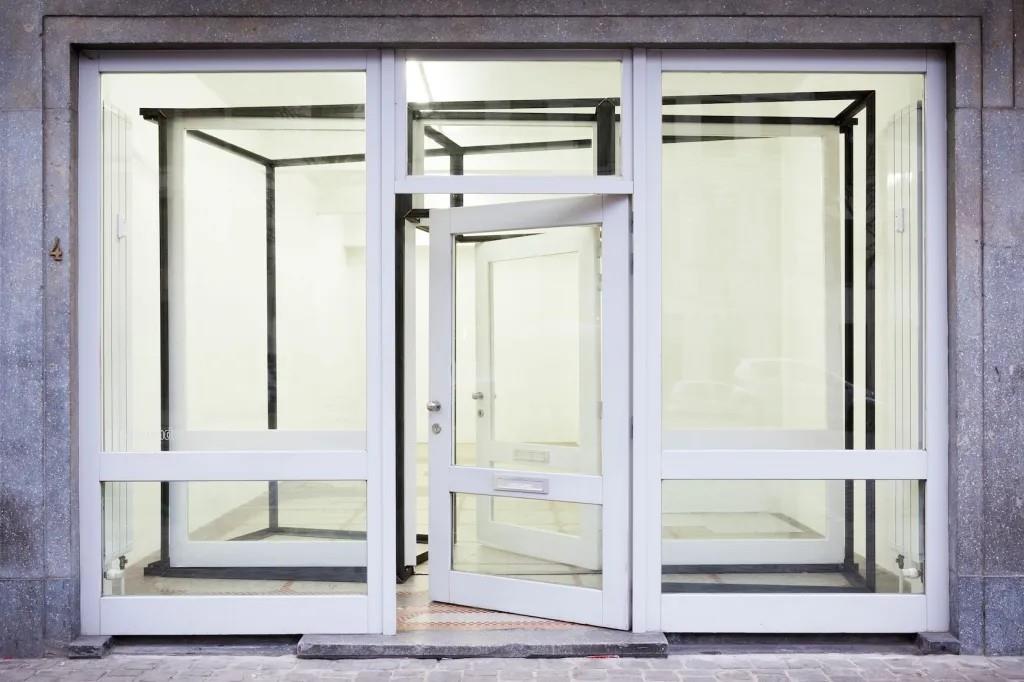
Dépendence, Iconoclast Brussels Gallery, To Close
(MENAFN- USA Art News)
Brussels Gallery Dépendance to Close After 23 Years, Leaving an Archive Behind
A long-running fixture of Brussels' contemporary art scene is preparing to shut its doors. Dépendance, the lowercase-styled gallery co-founded by Michael Callies and Stephan Jaax, said it is closing after 23 years and entering a transitional period to handle administrative and organizational matters. Its website will remain online as an archive.
The gallery's announcement, sent in a press release late last night, framed the closure in deliberately open-ended terms.“Galleries come and go. Some are short-lived but leave a clear trace, others endure for decades without changing much,” the statement read.“Dépendance has been there for twenty-three years and now we feel it's time to say good-bye.”
Founded by Callies, a former artist, and Jaax, a former banker, Dépendance built its reputation without expanding beyond a single Brussels location. That restraint became part of its identity. The gallery was widely regarded as an artist-centered space, one that maintained close relationships with its roster while also helping place its artists on major international stages.
Over the years, Dépendance represented about 30 artists, many of them connected to the Städelschule in Frankfurt, where Callies studied. Among the artists associated with the gallery were Thomas Bayrle, Michael Krebber, Henrik Olesen, Thilo Heinzmann, Sergej Jensen, and Haegue Yang, all of whom remained with the gallery for years. The roster also included Josef Strau, Ed Atkins, Allison Katz, Oscar Tuazon, and Jana Euler.
Its artists appeared in major exhibitions and institutions including the Venice Biennale, Skulptur Projekte in Münster, Documenta Kassel, MoMA in New York, Tate Britain, and the Stedelijk Museum. That international reach helped make the gallery a notable presence far beyond Brussels, even as it stayed deliberately compact at home.
In a 2020 interview, Callies described the gallery as an extension of his own artistic practice, shaped by trust and collaboration rather than commercial pressure. He said artists were free to do what they wanted in exhibitions without thinking about sales, a position that distinguished Dépendance from many younger galleries navigating a more difficult market.
Since the closure was announced, figures in Brussels' art scene have begun responding publicly, underscoring the gallery's local significance. For now, Dépendance is winding down its operations, but its archive will remain accessible online - a record of a gallery that chose depth over scale.

Legal Disclaimer:
MENAFN provides the
information “as is” without warranty of any kind. We do not accept
any responsibility or liability for the accuracy, content, images,
videos, licenses, completeness, legality, or reliability of the information
contained in this article. If you have any complaints or copyright
issues related to this article, kindly contact the provider above.
Most popular stories
Market Research

More Story





Comments
No comment