


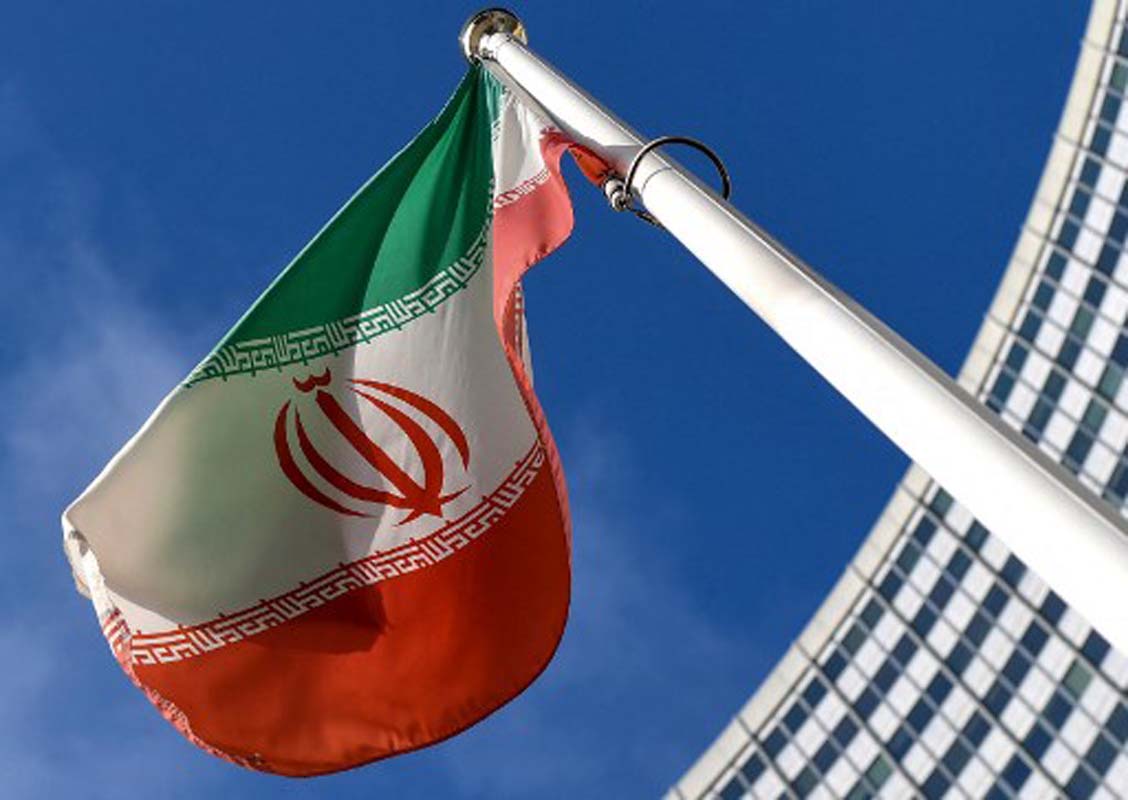
Iran Pushes Ahead with 5 Coastal Nuclear Plants


(MENAFN) Iran is pressing forward with an ambitious nuclear energy expansion program — including the construction of power plants at five coastal sites — even as the country exchanges strikes with Israel and navigates intensifying regional conflict, the head of the country's atomic energy body announced Monday.
Mohammad Eslami, vice president and chief of the Atomic Energy Organization of Iran, disclosed the plans during a meeting with members of parliament's energy and construction commissions, an official news agency reported.
Eslami said the projects are being carried out under Iran's comprehensive strategic document for the nuclear industry, unveiled in 2022. "Based on this document, the construction of nuclear power plants at five coastal locations is on the agenda to increase the share of nuclear electricity in the country's energy basket, and these projects are progressing according to plan," he said.
The atomic chief also announced that the Bushehr Nuclear Power Plant — Iran's sole operational nuclear facility, situated on the southern Gulf coast — recently crossed a milestone of 80 billion kilowatt-hours of electricity generated, an output Eslami said was equivalent to saving 131 million barrels of crude oil or 21.3 billion cubic meters of natural gas.
The plant's second and third units are currently under construction as part of a $10 billion investment project, which Eslami described as among the country's largest infrastructure undertakings.
The announcement comes against a dramatically deteriorating security backdrop. Regional tensions have surged since late February, when the United States and Israel launched airstrikes on Iran. Iranian media reported that the Bushehr plant was targeted multiple times during the conflict, though authorities maintained that operations and electricity generation were unaffected.
Hostilities escalated further on Sunday when Israel bombed the Lebanese capital Beirut in defiance of an active ceasefire, triggering an Iranian missile response toward northern Israel and prompting multiple waves of Israeli retaliatory airstrikes against Iran.
By early Monday, Iran's military announced it was suspending its offensive against Israel, while cautioning that any continuation of Israeli strikes on Lebanon would invite a "crushing" response. Israeli media, citing unnamed officials, separately reported that Israel had agreed to halt its airstrikes on Iran — though its military campaign in southern Lebanon was set to continue.
Mohammad Eslami, vice president and chief of the Atomic Energy Organization of Iran, disclosed the plans during a meeting with members of parliament's energy and construction commissions, an official news agency reported.
Eslami said the projects are being carried out under Iran's comprehensive strategic document for the nuclear industry, unveiled in 2022. "Based on this document, the construction of nuclear power plants at five coastal locations is on the agenda to increase the share of nuclear electricity in the country's energy basket, and these projects are progressing according to plan," he said.
The atomic chief also announced that the Bushehr Nuclear Power Plant — Iran's sole operational nuclear facility, situated on the southern Gulf coast — recently crossed a milestone of 80 billion kilowatt-hours of electricity generated, an output Eslami said was equivalent to saving 131 million barrels of crude oil or 21.3 billion cubic meters of natural gas.
The plant's second and third units are currently under construction as part of a $10 billion investment project, which Eslami described as among the country's largest infrastructure undertakings.
The announcement comes against a dramatically deteriorating security backdrop. Regional tensions have surged since late February, when the United States and Israel launched airstrikes on Iran. Iranian media reported that the Bushehr plant was targeted multiple times during the conflict, though authorities maintained that operations and electricity generation were unaffected.
Hostilities escalated further on Sunday when Israel bombed the Lebanese capital Beirut in defiance of an active ceasefire, triggering an Iranian missile response toward northern Israel and prompting multiple waves of Israeli retaliatory airstrikes against Iran.
By early Monday, Iran's military announced it was suspending its offensive against Israel, while cautioning that any continuation of Israeli strikes on Lebanon would invite a "crushing" response. Israeli media, citing unnamed officials, separately reported that Israel had agreed to halt its airstrikes on Iran — though its military campaign in southern Lebanon was set to continue.

Legal Disclaimer:
MENAFN provides the
information “as is” without warranty of any kind. We do not accept
any responsibility or liability for the accuracy, content, images,
videos, licenses, completeness, legality, or reliability of the information
contained in this article. If you have any complaints or copyright
issues related to this article, kindly contact the provider above.


Comments
No comment