


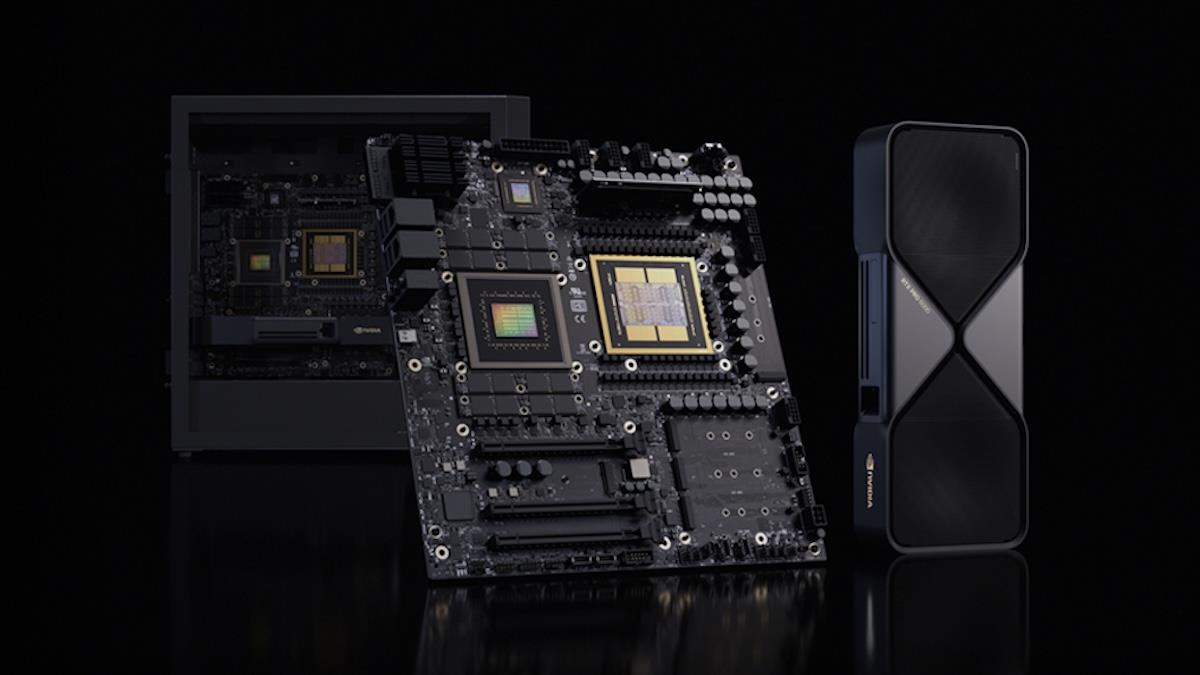
Nvidia GPU Crackdown Hits China-Linked Southeast Asia Data Centers


The US Commerce Department's Bureau of Industry and Security (BIS) issued guidance on May 31 clarifying that export licenses are required for advanced computing chips destined for any entity whose ultimate parent company is headquartered in China or Macau, regardless of where that entity is situated. It stressed that the rule has technically been in force since November 2023.
The loophole emerged after the Trump administration announced in May 2025 that the AI Diffusion Rule, which was drafted by the Biden administration to impose stricter worldwide limits on the export of advanced AI chips based on destination tiers, would not take effect. Many Chinese firms grabbed the opportunity, rushing to build data center racks in Singapore and Malaysia and purchase Nvidia chips in large quantities.
Hundreds of thousands of banned Nvidia chips may have already reached Chinese-owned subsidiaries through this channel, according to industry estimates cited by Reuters.
BIS is now making clear that the parent-company requirement was never suspended. Some observers noted that by framing this as a clarification rather than a new rule, the Trump administration stops short of acknowledging that a loophole ever existed, casting the problem instead as one of compliance and enforcement.
BIS also said it would not require data centers already operating with the banned chips to cease using them, a carve-out that sidesteps potential liability and compensation claims against chip suppliers.
Regardless of how Washington frames the measure, the practical effect is clear. Chinese-owned entities operating overseas will no longer be able to freely purchase Nvidia chips that are banned, ending an arrangement that had gone largely unchallenged for a full year.
The enforcement shift comes as Beijing has been pressing its domestic technology firms to prioritize homegrown artificial intelligence (AI) chips over foreign alternatives, such as Nvidia's H200 and H20 chips. Huawei Technologies' Ascend 920 has been at the center of those efforts, with Chinese authorities encouraging companies to adopt domestic AI processors rather than rely on Nvidia's products.
Some Chinese commentators say the tightened enforcement will have a significant impact on Chinese firms' data center operations in Southeast Asia in the short run. But they add that Chinese firms will find alternative ways to access the banned processors.

Legal Disclaimer:
MENAFN provides the
information “as is” without warranty of any kind. We do not accept
any responsibility or liability for the accuracy, content, images,
videos, licenses, completeness, legality, or reliability of the information
contained in this article. If you have any complaints or copyright
issues related to this article, kindly contact the provider above.


Comments
No comment