


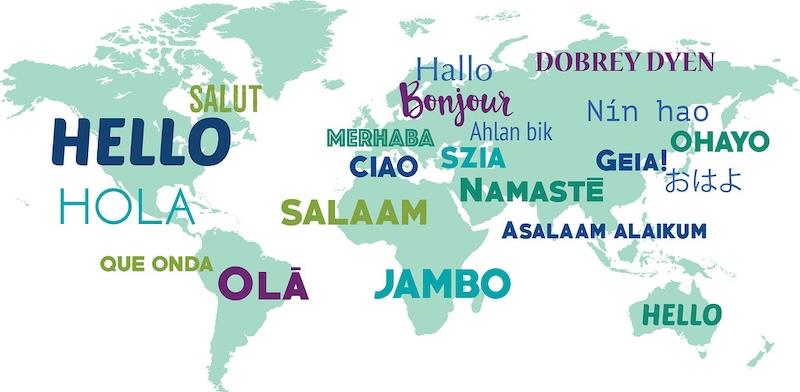
Why Employee Handbook Translation Services Are Becoming Essential For Modern Workplaces


-
Employee handbooks explain workplace expectations and policies
Translation improves communication for multilingual teams
Automated translation tools often create inaccurate wording
Clear policies support workplace safety and compliance
Employees engage better when communication feels accessible
Updated translated handbooks help maintain consistency across teams
A few years ago, an HR manager at a mid-sized manufacturing company noticed something odd during onboarding sessions.
Employees signed every document, nodded through orientation, and rarely asked questions. On paper, everything looked organized.
But problems kept showing up later.
Attendance rules were misunderstood. Safety instructions were skipped. Workers approached supervisors asking about policies that had already been explained during orientation. Eventually, the company realized the issue was not training itself. It was language.
Most employees understood conversational English well enough to get through daily work. Reading a detailed handbook full of legal terms, policy language, and compliance instructions was another story entirely.
That situation is more common than many organizations admit.
Today, businesses across healthcare, hospitality, logistics, construction, warehousing, retail, and manufacturing are rethinking how they communicate with multilingual teams. One area receiving more attention is employee handbook translation services.
Not because it sounds good in HR presentations. Because unclear communication creates real workplace problems.
The Employee Handbook Carries More Weight Than Companies ThinkMost companies treat the handbook as a routine onboarding document. Employees receive it on day one, skim through it, sign a form, and move on.
But the handbook quietly shapes daily workplace expectations.
Inside are policies covering:
-
Time-off requests
Workplace behavior
Safety procedures
Harassment reporting
Overtime rules
Attendance expectations
Disciplinary action
Emergency procedures
Benefits and leave policies
When employees cannot fully understand those sections, misunderstandings begin slowly.
At first, it may look minor. Someone follows the wrong reporting process. Another employee misunderstands scheduling rules. A supervisor spends extra time repeatedly clarifying policies.
Over months, communication gaps pile up.
This is where professional employee handbook translation services become practical rather than optional.
Translation is Not Just Converting WordsOne mistake companies make is assuming that translation simply means replacing English words with their equivalents in another language.
Workplace communication is more complicated than that.
Policies often include:
-
Legal phrasing
HR terminology
Industry-specific language
Compliance requirements
Cultural nuances
Sensitive workplace topics
A direct translation can technically sound correct while still confusing native speakers.
For example, phrases commonly used in English HR documents may sound overly formal, aggressive, or unnatural when translated literally. Employees might understand individual words but still misunderstand the intent.
That is why professionally translated handbooks usually feel smoother and easier to follow. Human translators understand context, tone, and readability in ways automated software still struggles with.
Especially in workplace settings.
Why Free Translation Tools Often Create ProblemsMany businesses initially try machine translation because it seems fast and inexpensive.
The problem shows up later.
Automated translation tools frequently miss:
-
Regional language differences
Context-specific meanings
Legal accuracy
Tone consistency
Industry terminology
Something as simple as a safety instruction can become vague after automated translation.
And vague workplace policies are risky.
Employees should never have to guess what a company policy means. If handbook wording creates uncertainty, workers often rely on coworkers for explanations instead.
That leads to inconsistent information spreading across teams.
Professional employee handbook translation services help businesses avoid those communication gaps before they affect operations.
Multilingual Teams Are Becoming Standard Across IndustriesIn many industries, multilingual workforces are no longer unusual. They are normal.
Warehouses may operate with teams speaking Spanish, Vietnamese, English, and Tagalog across different shifts. Hotels often hire employees from varied language backgrounds. Construction crews regularly include workers who speak multiple primary languages.
Yet many organizations still distribute English-only handbooks.
The assumption is often:“Most employees understand enough.”
But“enough” becomes risky when discussing:
-
Workplace rights
Safety procedures
Reporting systems
Disciplinary policies
Harassment complaints
Emergency protocols
Employees may hesitate to ask questions because they feel embarrassed or do not want to appear inexperienced.
That silence is easy to misinterpret as understanding.
In reality, employees may simply feel uncertain.
Better Communication Improves Workplace SafetyThis becomes especially important in physically demanding industries.
A translated handbook is not just about convenience. In some environments, it directly supports workplace safety.
Employees need clear instructions regarding:
-
Equipment handling
Emergency exits
Injury reporting
Hazard communication
Protective gear requirements
Incident escalation procedures
If workers misunderstand even part of those policies, mistakes happen faster.
And often, the issue is not carelessness. It is confusing.
Companies investing in employee handbook translation services are usually trying to reduce uncertainty before it creates operational or safety issues later.
Clear communication helps employees feel more confident asking questions and following procedures correctly.
Employees Notice When Communication Feels InclusiveThere is also a cultural side to handbook translation that companies sometimes underestimate.
Employees pay attention to how organizations communicate with them.
Receiving workplace policies in a language they genuinely understand sends a message that the company values clarity, not just compliance.
That affects:
-
Employee comfort during onboarding
Participation in training
Trust in HR processes
Confidence when reporting concerns
Overall workplace engagement
People are more likely to engage with policies they can comfortably read.
And importantly, they are more likely to follow procedures when expectations feel clear rather than intimidating.
Outdated Translations Create Another ProblemSome companies translate their handbook once and never revisit it.
That creates a different issue entirely.
Policies change constantly.
Businesses update:
-
Remote work guidelines
Leave policies
State labor compliance rules
Workplace conduct procedures
Safety protocols
Benefits information
When English handbooks are updated but translated versions stay old, employees end up receiving inconsistent information.
That inconsistency causes confusion across departments and shifts.
Professional employee handbook translation services usually include ongoing updates to keep documentation aligned across languages.
Because an outdated translation can become just as problematic as having no translation at all.
Which Businesses Benefit Most?Almost any organization with multilingual employees can benefit from translated workplace documents, but some industries depend on them more heavily.
ManufacturingClear communication is critical around machinery, reporting procedures, and safety standards.
HospitalityHotels and restaurants often operate with diverse multilingual teams working across departments.
HealthcareHealthcare organizations need employees to fully understand patient-related procedures, compliance standards, and safety policies.
Logistics and WarehousingFast-moving operational environments leave little room for communication errors.
ConstructionConstruction sites rely heavily on accurate safety communication and reporting procedures.
Translation Supports Consistency Across TeamsOne overlooked benefit of handbook translation is consistency. Without official translated documentation, employees often receive information secondhand through coworkers or supervisors.
That creates multiple interpretations of the same policy. One manager explains attendance rules differently from another. One employee shares incomplete information during training. Details get lost.
Official translated handbooks help standardize communication across teams, locations, and departments.
Everyone works from the same source. That consistency reduces misunderstandings significantly over time.
ConclusionEmployee handbooks only work when employees fully understand them. As workplaces continue becoming more multilingual, businesses can no longer assume English-only communication covers everyone equally.
Clear workplace communication affects onboarding, compliance, safety, productivity, and employee confidence more than many organizations realize.
Professional employee handbook translation services help companies create more consistent communication while reducing confusion across teams and departments.
Sometimes the smallest communication improvements make the biggest operational difference later.
FAQs 1. What are employee handbook translation services?Employee handbook translation services professionally translate workplace policies and HR documents into multiple languages for employees who are more comfortable reading in their native language.
2. Why are translated employee handbooks important?They help employees clearly understand company policies, workplace expectations, safety procedures, and reporting systems while reducing confusion.
3. Can machine translation tools accurately translate employee handbooks?Machine tools often miss legal context, HR terminology, and cultural nuances, which may lead to unclear or inaccurate workplace communication.
4. Which industries commonly need employee handbook translation services?Healthcare, hospitality, manufacturing, logistics, construction, and retail industries commonly use translated workplace documentation.
5. How often should translated handbooks be updated?Translated versions should be updated whenever the original handbook changes to ensure employees receive consistent and accurate information.
<
Legal Disclaimer:
MENAFN provides the
information “as is” without warranty of any kind. We do not accept
any responsibility or liability for the accuracy, content, images,
videos, licenses, completeness, legality, or reliability of the information
contained in this article. If you have any complaints or copyright
issues related to this article, kindly contact the provider above.


Comments
No comment