

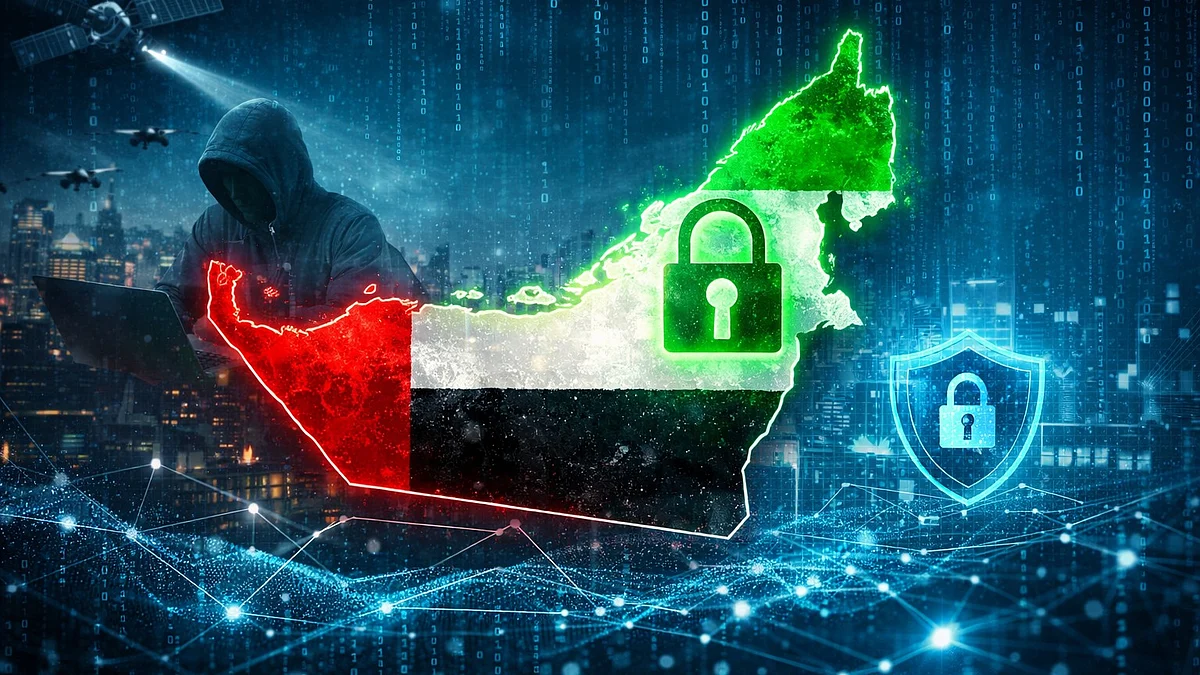
Clicking On The Wrong Link Can Open Dangerous Doors, UAE Cybersecurity Expert Warns


- By: Amal Alduwaila AlHashmi
A single click on the wrong link can pull a user into a far wider attack.
In times of crisis, cybersecurity expert Jassim Khadim says today's threats no longer target only devices and systems. They target the way people think, react and share information online.
Why individuals are the easiest target Recommended For YouKhadim says the region has entered an era of digital psychological warfare, where tension and curiosity are weaponised against ordinary users. Phishing links carrying sensational headlines, AI-generated fabricated content, malicious apps and attempts to harvest sensitive data are all on the rise. "The attacker may not need sophisticated tools. They simply need to exploit the user's own behaviour," he says.
Stay up to date with the latest news. Follow KT on WhatsApp Channels.
Individuals, he adds, have become the most accessible gateway. Anyone with a smartphone can unknowingly become a source of information, a vehicle for spreading it, or an entry point for a far larger attack.
Everyday mistakes that cost usersThe most common errors include clicking unknown links out of curiosity, resharing unverified information, downloading apps from outside official stores, sharing location or photos without thinking, and using weak or repeated passwords.
Protection, Khadim stresses, begins with simple steps: relying on official sources, avoiding suspicious links, enabling two-factor authentication, keeping devices updated, and thinking before sharing any content.
At the institutional level, he warns that many organisations, particularly SMEs, still prioritise operations over security. They need stronger staff training, secure email channels, regular backups and clear incident response plans. "Cybersecurity is no longer optional. It is a necessity," he says.
The challenge today is not a lack of information but how it is communicated, Khadim says. Cybersecurity needs to be explained in everyday language tied to people's lives, not technical jargon. Media and content creators play a pivotal role in countering misinformation with trusted, accessible content.
Most questions from the public revolve around fear: can a phone be hacked through a single message? Do photos expose location? In reality, the vast majority of attacks still depend on the user's own interaction.
Cybersecurity in times of crisis, Khadim concludes, is a shared responsibility resting equally on official bodies, institutions and individuals. "The higher the level of awareness, the safer and more stable our digital environment becomes."
ALSO READ- UAE warns of 32% surge in digital identity attacks, urges stronger protection Weak passwords, smart devices put homes at risk, Dubai Police issue warning

Legal Disclaimer:
MENAFN provides the
information “as is” without warranty of any kind. We do not accept any
responsibility or liability for the accuracy, content, images, videos,
licenses, completeness, legality, or reliability of the information
contained in this article. If you have any complaints or copyright issues
related to this article, kindly contact the provider above.
Comments
No comment