




403
Sorry!!
Error! We're sorry, but the page you were looking for doesn't exist.
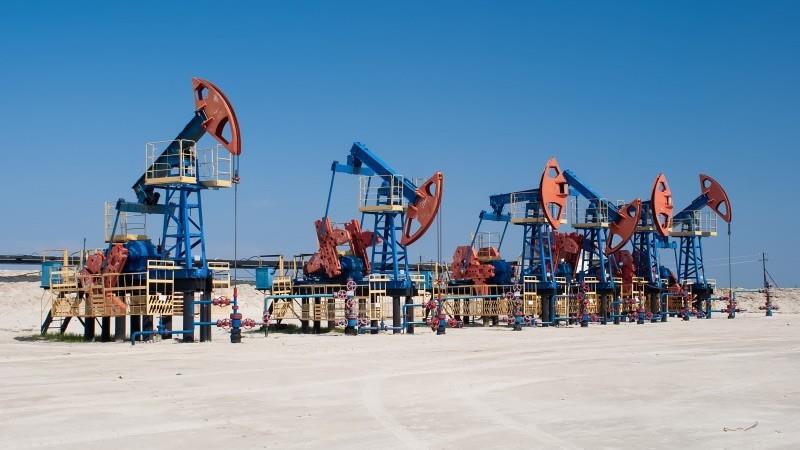
The Commodities Feed: Oil Falls As Optimism Builds Over US‐Iran Deal
(MENAFN- ING)
Energy – Oil under pressure
NYMEX WTI declined for a second straight session, with front‐month futures down more than 2% in early trading. Prices are under pressure from improved sentiment around a potential US‐Iran deal, even as hostilities continue and the Strait of Hormuz remains effectively closed. Military activity persists near the strait, including US strikes and reported Iranian engagement.
Russia is reportedly considering curbs on diesel and jet fuel exports as refinery run rates fall to multi‐year lows following intensified Ukrainian strikes on energy infrastructure. With seasonal demand set to rise, authorities are urging producers to prioritise domestic supply. Any export restrictions would tighten global product markets, given Russia accounts for roughly 40% of global diesel exports.
Japan's LNG inventories continue to decline. Stocks held by power generators fell to 1.95mt on 24 May (from 2.04mt the prior week), marking the lowest level since February 2026. Inventories are now below both the five‐year average (2.17mt) and last year's level (2.32mt), pointing to tightening supply. The draw reflects ongoing procurement challenges linked to global disruptions, rather than purely seasonal factors.
Metals - Aluminium hits four-year highAluminium prices climbed to a four-year high on the LME, as tightening supply conditions continued to support the market. Prices traded near $3,700/t during Tuesday's session, the highest level since March 2022.
Supply disruptions in the Middle East remain a key bullish driver, constraining export flows and reducing metal availability in ex-China markets.
China is also adding to upside risks. Authorities are stepping up scrutiny of energy use and emissions, raising expectations of potential output curbs in the aluminium sector, according to Mysteel.
This follows a period of strong production growth, with Chinese smelters running at elevated operating rates to capture healthy margins and offset supply losses elsewhere.
China's daily aluminium output rose to a record 129,000 tonnes last month. However, signs are emerging that the market may be starting to turn. Domestic inventories are building, while policy pressure linked to energy consumption and emissions is intensifying.
Further upside risks stem from potential raw material constraints, after Guinea – China's key bauxite supplier – flagged possible export curbs from June. Shipments rose by more than 25% year-on-year to 183mt in 2025, supporting Chinese refining activity and helping contain production costs.
The market is now facing supply risks on multiple fronts. Middle East disruptions are tightening export availability, while China – the world's swing producer – could face production constraints.
In the near term, aluminium prices are likely to remain well-supported, with ongoing Middle East disruption the primary market driver. Any further escalation risks additional supply losses and tighter export availability, particularly for ex-China consumers. While concerns over potential Chinese output curbs are providing additional support, the market's immediate focus remains firmly on geopolitical risks and their impact on global supply flows.
In precious metals, gold extended losses for a second consecutive session, falling below US$4,500/oz on Wednesday morning. Prices remain under pressure from elevated inflation expectations linked to higher energy prices, reducing the likelihood of near‐term rate cuts. While renewed US‐Iran clashes in the Persian Gulf have added to uncertainty, markets retain some cautious optimism that a deal could still be reached. Overall, bullion is down around 14% since the start of the conflict.
Agriculture - Cocoa climbs on tight supply expectationsCocoa prices in both the US and London rose for a second consecutive session, with futures settling around 10% higher yesterday. Gains were largely driven by short covering and renewed weather concerns, as risks grow that a potential El Niño could disrupt West African supply. Earlier pressure from weak demand and substitution has faded, with weather uncertainty and rising disease risks – particularly black pod amid heavier rainfall in key producers such as Cameroon – now supporting prices.

Legal Disclaimer:
MENAFN provides the
information “as is” without warranty of any kind. We do not accept
any responsibility or liability for the accuracy, content, images,
videos, licenses, completeness, legality, or reliability of the information
contained in this article. If you have any complaints or copyright
issues related to this article, kindly contact the provider above.
Most popular stories
Market Research

More Story








Comments
No comment