





403
Sorry!!
Error! We're sorry, but the page you were looking for doesn't exist.
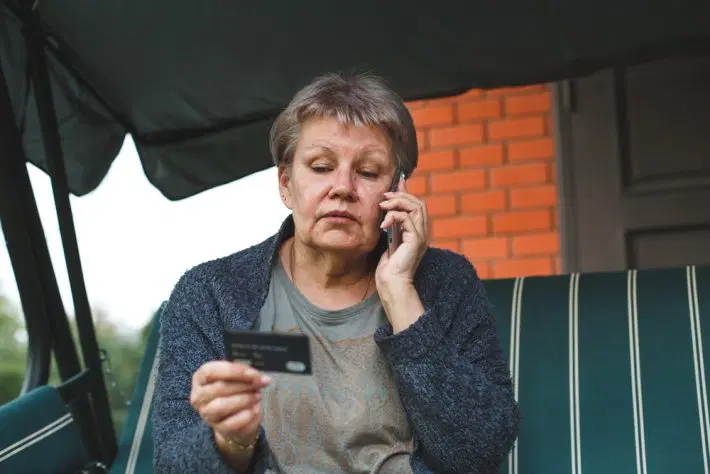
AI Voice Cloning Scams Explode - One In Four People Have Encountered Them, Losing Up To $15,000
(MENAFN- Saving Advice) A frantic phone call from your daughter saying she was in a car accident used to sound believable because you trusted her voice. In 2026, scammers can now recreate that voice with just a few seconds of audio pulled from social media, TikTok videos, voicemail greetings, or even old Facebook clips. AI voice cloning scams have exploded so quickly that cybersecurity researchers say one in four people have either experienced one directly or know someone who has. Some victims have lost hundreds of dollars, while others report losses as high as $15,000 after believing they were helping a loved one in danger. For older Americans and retirees especially, these scams are becoming one of the most emotionally manipulative fraud tactics seen in years because the“proof” sounds exactly like someone they trust.AI Voice Cloning Scams Are Becoming Alarmingly Convincing
Scammers no longer need sophisticated hacking tools or insider access to create convincing fraud attempts. Researchers say criminals can clone someone's voice using as little as three seconds of recorded audio. AI programs can mimic tone, speech patterns, pauses, and emotional reactions closely enough that many people cannot tell the difference between a real voice and a synthetic one. In one McAfee survey of 7,000 people worldwide, 70% said they were not confident they could identify an AI-generated voice clone. Academic research is backing that up, with one recent study finding participants performed worse than chance when trying to distinguish AI-generated scam calls from real human voices.
The“Emergency Family Call” Scam Is ExplodingThe most common AI voice cloning scams rely on panic and emotional pressure rather than technical sophistication. Victims often receive calls claiming a child, grandchild, or spouse has been arrested, kidnapped, injured, robbed, or stranded while traveling. Scammers intentionally create urgency so victims act before thinking logically or independently verifying the story. McAfee researchers found that scenarios involving car accidents, robberies, or travel emergencies generated the strongest emotional reactions from victims. Criminals frequently demand payment through cryptocurrency, wire transfers, gift cards, or cash pickups because those methods are difficult to reverse once the money is sent.
Real Families Are Losing Thousands of DollarsThese scams are not theoretical anymore, and real victims are sharing devastating stories. One Florida woman lost $15,000 after hearing what she believed was her daughter crying after a serious car accident. The caller then passed the phone to someone posing as an attorney who demanded money to avoid jail time and lawsuits. Another family nearly lost $35,000 after scammers cloned a political candidate's voice from publicly available campaign videos online. Investigators say many victims later describe the experience as emotionally traumatic because they genuinely believed a loved one was in immediate danger. Older adults are particularly vulnerable because scammers know retirees often answer unknown calls and may react emotionally to threats involving children or grandchildren.
Why Older Adults Are Prime Targets for These ScamsRetirees and seniors remain heavily targeted because scammers know older Americans often have savings, home equity, or emergency funds available. Fraudsters also understand that grandparents may react instantly if they believe a grandchild is hurt or in trouble with the police.
One Reddit commenter described how their grandfather nearly purchased gift cards after receiving a fake emergency call supposedly from a family member. Experts say scammers intentionally create confusion, fear, and urgency because emotional panic overrides logical thinking during high-stress situations. Cybersecurity researchers now recommend that families establish private“safe words” or verification questions only close relatives would know. Simply hanging up and calling the family member directly on a known number remains one of the best defenses against AI voice cloning scams.
How Families Can Protect Themselves Before It HappensThe best defense against AI voice cloning scams is preparation before an emergency call ever occurs. Families should discuss scam scenarios openly and agree that no urgent money request will ever be handled without independent verification first.
Experts recommend avoiding immediate emotional reactions, even if the voice sounds exactly like someone you know. Creating a family safe word, asking personal verification questions, and calling the person directly on another number can immediately expose many scams. Financial experts also warn seniors never to send money through cryptocurrency, wire transfers, gift cards, or cash couriers after unexpected emergency calls.
The Bottom Line: AI Voice Cloning Scams Are Only Getting More DangerousAI voice cloning scams are evolving faster than most families realize, and the technology behind them is becoming cheaper and easier for criminals to use. With one in four people already exposed to these scams, the threat is no longer rare or isolated. The emotional realism of cloned voices makes these fraud attempts especially dangerous for seniors, parents, and grandparents who naturally want to help loved ones in distress. The safest assumption in 2026 may be that hearing a familiar voice alone is no longer enough proof that the caller is who they claim to be.
Have you or someone in your family ever received a suspicious phone call that sounded frighteningly real? What did you do?

Legal Disclaimer:
MENAFN provides the
information “as is” without warranty of any kind. We do not accept
any responsibility or liability for the accuracy, content, images,
videos, licenses, completeness, legality, or reliability of the information
contained in this article. If you have any complaints or copyright
issues related to this article, kindly contact the provider above.
Most popular stories
Market Research

More Story








Comments
No comment