




403
Sorry!!
Error! We're sorry, but the page you were looking for doesn't exist.
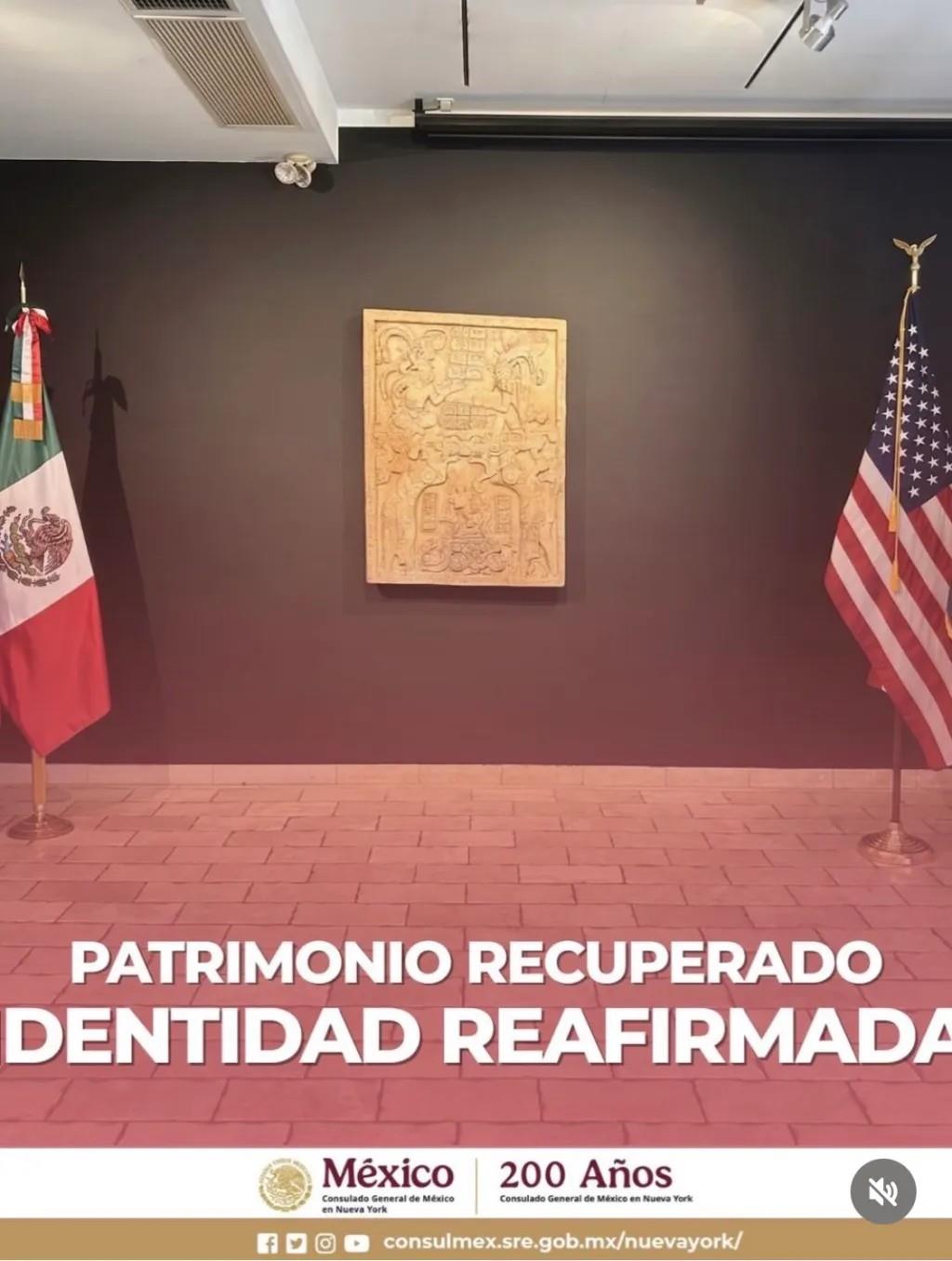
Ancient Mayan Limestone Lintel Repatriated To The Wrong Country
(MENAFN- USA Art News)
Guatemala Challenges Mexico Over Repatriated Mayan Lintel
A 1,200-year-old carved stone lintel has become the subject of a fresh repatriation dispute, with Guatemala's cultural minister now seeking to reclaim the object after it was returned from the United States to Mexico in mid-April. The case turns on a familiar but difficult question in cultural heritage law: where, exactly, did the work originate?
The lintel was made around 600-900 CE and depicts ritual acts involving the sun god and Cheleew Chan K'inich, a late ruler of the ancient Mayan city of Yaxchilán. It is signed by the sculptor known as Mayuy, a rare figure in the ancient Americas whose name survives on the work itself. Stephen Houston, an anthropology professor at Brown and the author of the 2021 book A Maya Universe in Stone, has described Mayuy as unusually inventive, noting that the carver fused divine imagery, cosmology, and dynastic politics in his sculptures.
According to the report, the lintel was brought to the Mexican consulate in New York by an unidentified American businessman, who appears to have recognized that it had been illegally removed from its country of origin before he acquired it. The object had already passed through the antiquities market by that point, adding another layer of uncertainty to its ownership history.
Its provenance is complicated by geography. The Usumacinta River region spans both present-day Guatemala and Mexico, and the lintel was first documented by Dana and Ginger Lamb in the 1950s, when they traveled through the tropical forests of northern Guatemala and southern Mexico. Houston's research places the initial discovery on the Guatemalan side of the river, while other scholarship has questioned whether the site known as Laxtunich lies in Guatemala or Mexico.
That uncertainty helps explain why Guatemala filed a claim for the lintel just hours after it was repatriated to Mexico. The episode also reflects a broader problem in restitution work: when objects move quickly through diplomatic channels, the historical record can lag behind the legal one. In this case, scholarship, state claims, and the antiquities market are all competing to define where the lintel belongs.

Legal Disclaimer:
MENAFN provides the
information “as is” without warranty of any kind. We do not accept
any responsibility or liability for the accuracy, content, images,
videos, licenses, completeness, legality, or reliability of the information
contained in this article. If you have any complaints or copyright
issues related to this article, kindly contact the provider above.
Most popular stories
Market Research

More Story








Comments
No comment