

403
Sorry!!
Error! We're sorry, but the page you were looking for doesn't exist.
Cantilever Tail Lift Safety Operation and Operator Training Guide for Logistics Loading Efficiency Improvement


(MENAFN- MENAFNEditorial) Safe Operation and Training Guide for Cantilever Tail Lifts
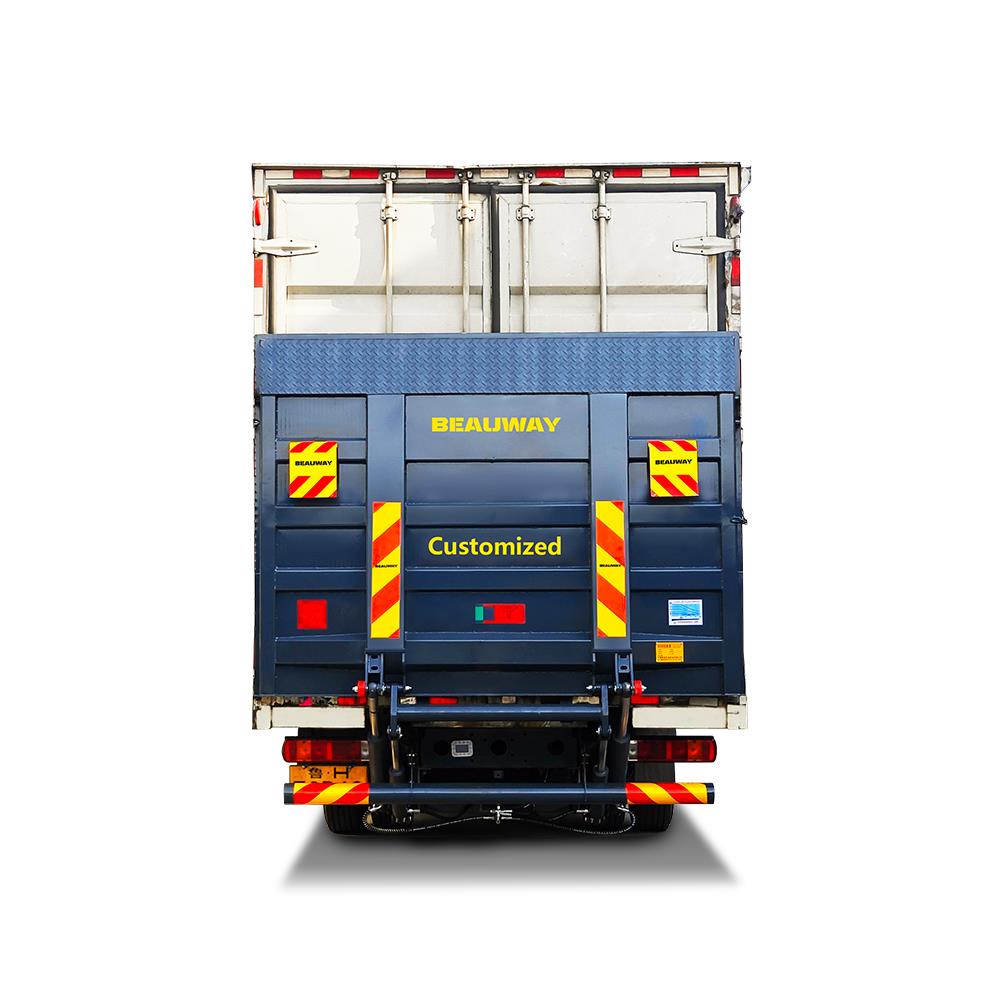
Safe use of cantilever tail lifts is essential for protecting operators and improving loading and unloading efficiency in logistics operations. A cantilever tail lift is a vehicle-mounted loading assistance device widely used in logistics and warehousing systems, especially in applications involving hydraulic tail lift and folding tail lift configurations. Due to the high-load operation and the complexity of hydraulic systems, improper handling can lead to serious accidents. Therefore, whether using a truck tail lift or a van tail lift, operators must undergo structured professional training before working independently.
Overview of Cantilever Tail Lift Equipment
A cantilever tail lift is a hydraulic loading platform installed at the rear of a vehicle. It enables vertical lifting and, in some designs, folding or stowage functionality. For example, a tuckaway tail lift can be retracted when not in use, improving vehicle clearance and operational flexibility.
In cold chain logistics, retail distribution, and industrial transport scenarios, this equipment significantly improves loading efficiency while reducing manual handling risks.
Why Tail Lift Operator Training Is Essential
Whether operating equipment supplied by a truck tail lift supplier or standard industrial systems, improper use may result in equipment damage, falling cargo, or personal injury.
When working with hydraulic tail lift for sale units or high-capacity systems, operators must fully understand load limits, control logic, and operational safety boundaries. The primary goal of training is to ensure operators can use the equipment correctly and avoid risks caused by misuse.
Regulatory and Safety Requirements
In most regions, tail lift equipment is classified as lifting machinery and is therefore subject to occupational health and safety regulations.
Employers must ensure that operators complete certified training, use compliant equipment (such as systems provided by a truck folding tail lift supplier), attend periodic refresher courses, and maintain proper safety documentation.
Core Components of Operator Training
Theoretical Training
Operators must understand hydraulic tail lift manufacturer design principles, tail lift price awareness for equipment selection, load capacity and weight distribution principles, safety regulations, different tail lift types, and hazard identification methods.
Practical Skills Training
Hands-on training includes standard operating procedures for truck tail lift manufacturer systems, correct vehicle positioning and platform alignment, use of concealed tail lift systems for space optimization, loading and unloading procedures, emergency stop operation, and routine inspection and maintenance.
Risk Identification Skills
Operators must be able to identify on-site hazards such as ground stability, weather impact, workspace limitations, overloading risks, and equipment fatigue or abnormal conditions. These are particularly important in tail lift for sale application environments.
Training Structure and Duration
Initial Training
Initial training typically lasts 1 to 3 days and includes both theoretical instruction and practical exercises, suitable for new operators or those transitioning roles.
Refresher Training
Refresher courses are recommended every 12 to 24 months, especially when new equipment or updated standards are introduced, such as systems related to hydraulic tail lift price changes.
Assessment and Certification
After training, operators must pass theoretical and practical assessments. Successful candidates receive certification confirming their operational competence.
Safe Operating Procedures and Best Practices
Pre-Operation Inspection
Operators must check hydraulic system conditions, ensure the platform is free from damage, test control systems and emergency stop functions, and clear all obstacles from the working area.
Standard Operating Procedures
Overloading truck tail lift supplier equipment is strictly prohibited. Cargo must be evenly distributed, sudden movements must be avoided, communication must be maintained throughout operations, and appropriate personal protective equipment must be worn.
Continuous Management System
Organizations should establish comprehensive management systems, including operational supervision procedures, incident and near-miss reporting mechanisms, periodic safety audits, and synchronized technical updates. For example, when introducing a new generation folding tail lift manufacturer system, training content should be updated accordingly.
Responsibilities of Companies and Training Institutions
Companies should select qualified training providers to deliver standardized operational courses, especially for equipment related to tuckaway liftgate manufacturer systems. Training environments should closely simulate real-world conditions such as warehousing, cold chain logistics, and urban distribution to enhance practical competence and safety awareness.
Conclusion
Beauway has been dedicated to the logistics loading and unloading equipment industry for many years, with a product range covering tail lifts, dock ramps, and lifting platforms. For customized solutions tailored to your specific working conditions, feel free to schedule a technical consultation.
Safe use of cantilever tail lifts is essential for protecting operators and improving loading and unloading efficiency in logistics operations. A cantilever tail lift is a vehicle-mounted loading assistance device widely used in logistics and warehousing systems, especially in applications involving hydraulic tail lift and folding tail lift configurations. Due to the high-load operation and the complexity of hydraulic systems, improper handling can lead to serious accidents. Therefore, whether using a truck tail lift or a van tail lift, operators must undergo structured professional training before working independently.
Overview of Cantilever Tail Lift Equipment
A cantilever tail lift is a hydraulic loading platform installed at the rear of a vehicle. It enables vertical lifting and, in some designs, folding or stowage functionality. For example, a tuckaway tail lift can be retracted when not in use, improving vehicle clearance and operational flexibility.
In cold chain logistics, retail distribution, and industrial transport scenarios, this equipment significantly improves loading efficiency while reducing manual handling risks.
Why Tail Lift Operator Training Is Essential
Whether operating equipment supplied by a truck tail lift supplier or standard industrial systems, improper use may result in equipment damage, falling cargo, or personal injury.
When working with hydraulic tail lift for sale units or high-capacity systems, operators must fully understand load limits, control logic, and operational safety boundaries. The primary goal of training is to ensure operators can use the equipment correctly and avoid risks caused by misuse.
Regulatory and Safety Requirements
In most regions, tail lift equipment is classified as lifting machinery and is therefore subject to occupational health and safety regulations.
Employers must ensure that operators complete certified training, use compliant equipment (such as systems provided by a truck folding tail lift supplier), attend periodic refresher courses, and maintain proper safety documentation.
Core Components of Operator Training
Theoretical Training
Operators must understand hydraulic tail lift manufacturer design principles, tail lift price awareness for equipment selection, load capacity and weight distribution principles, safety regulations, different tail lift types, and hazard identification methods.
Practical Skills Training
Hands-on training includes standard operating procedures for truck tail lift manufacturer systems, correct vehicle positioning and platform alignment, use of concealed tail lift systems for space optimization, loading and unloading procedures, emergency stop operation, and routine inspection and maintenance.
Risk Identification Skills
Operators must be able to identify on-site hazards such as ground stability, weather impact, workspace limitations, overloading risks, and equipment fatigue or abnormal conditions. These are particularly important in tail lift for sale application environments.
Training Structure and Duration
Initial Training
Initial training typically lasts 1 to 3 days and includes both theoretical instruction and practical exercises, suitable for new operators or those transitioning roles.
Refresher Training
Refresher courses are recommended every 12 to 24 months, especially when new equipment or updated standards are introduced, such as systems related to hydraulic tail lift price changes.
Assessment and Certification
After training, operators must pass theoretical and practical assessments. Successful candidates receive certification confirming their operational competence.
Safe Operating Procedures and Best Practices
Pre-Operation Inspection
Operators must check hydraulic system conditions, ensure the platform is free from damage, test control systems and emergency stop functions, and clear all obstacles from the working area.
Standard Operating Procedures
Overloading truck tail lift supplier equipment is strictly prohibited. Cargo must be evenly distributed, sudden movements must be avoided, communication must be maintained throughout operations, and appropriate personal protective equipment must be worn.
Continuous Management System
Organizations should establish comprehensive management systems, including operational supervision procedures, incident and near-miss reporting mechanisms, periodic safety audits, and synchronized technical updates. For example, when introducing a new generation folding tail lift manufacturer system, training content should be updated accordingly.
Responsibilities of Companies and Training Institutions
Companies should select qualified training providers to deliver standardized operational courses, especially for equipment related to tuckaway liftgate manufacturer systems. Training environments should closely simulate real-world conditions such as warehousing, cold chain logistics, and urban distribution to enhance practical competence and safety awareness.
Conclusion
Beauway has been dedicated to the logistics loading and unloading equipment industry for many years, with a product range covering tail lifts, dock ramps, and lifting platforms. For customized solutions tailored to your specific working conditions, feel free to schedule a technical consultation.

Legal Disclaimer:
MENAFN provides the
information “as is” without warranty of any kind. We do not accept any
responsibility or liability for the accuracy, content, images, videos,
licenses, completeness, legality, or reliability of the information
contained in this article. If you have any complaints or copyright issues
related to this article, kindly contact the provider above.
Comments
No comment