

5 Art Novels To Read This Summer


What if the most revealing way to write about art is not through the studio, but through the relationships around it? A recent roundup of five novels published over the past year suggests exactly that, tracing how art is formed through mentors, friends, parents, lovers, and the artists who haunt the imagination from earlier generations.
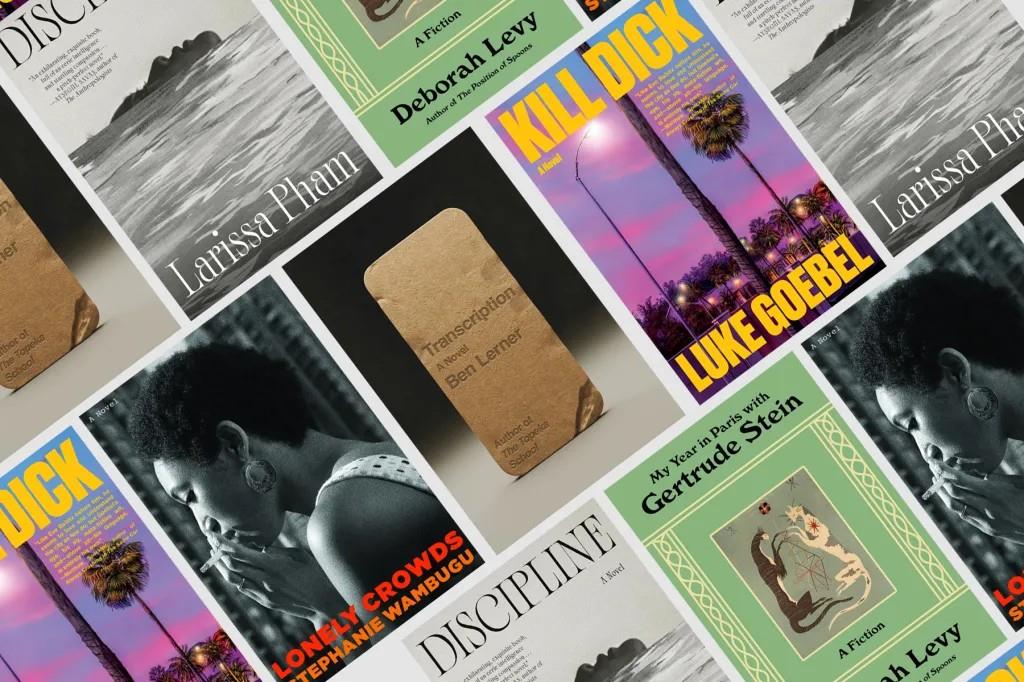
Ben Lerner's Transcription follows a narrator through a day of comic disarray after he drops his phone into the sink and must somehow prepare to interview his mentor without a recording device. The setup is small, even absurd, but Lerner uses it to build a precise portrait of embarrassment, self-consciousness, and the fragile performances that pass for adulthood. As the story moves toward a dinner at Museo Reina Sofia, the line between mentor and parent, authority and dependency, begins to blur.
Larissa Pham's first novel takes on mentorship in the aftermath of MeToo. It centers on a woman artist and her male teacher, whose approval carries an outsized emotional and professional weight. Pham does not flatten the relationship into accusation or absolution. Instead, she follows the protagonist as she questions whether her success belongs to her own work or to the teacher's desire, then turns to fiction as a form of revenge that proves less cathartic than expected.
Deborah Levy's My Year in Paris with Gertrude Stein: A Fiction moves in a different register, but with a similar concern for influence. A writer in Paris is assigned an essay on Gertrude Stein and begins imagining what Stein would think about the details of her daily life. Levy's prose gradually absorbs the experimental energy of her subject, until the distinction between narrator and muse feels deliberately unstable.
Stephanie Wambugu's Lonely Crowds follows two childhood friends who choose the same college, Bard, and later build lives as artists in New York City. Set against the rise of Black figurative painting, the novel studies two contrasting temperaments: one gregarious and troubled, the other quiet and observant. Their friendship is at once tender and corrosive, intimate and competitive, a relationship that feels almost familial in its intensity.
Luke Goebel's Kill Dick takes a more satirical approach. Framed through the perspective of an NYU art school dropout, the novel imagines a revenge fantasy aimed at a Sackler-like family and the lawyer father tied to it. Its targets include privilege, addiction, and the art world's moral evasions, all filtered through a voice that is deliberately unruly.
Taken together, the five books suggest that art is rarely a solitary act of self-expression. It is negotiated through power, memory, rivalry, and affection - and often through the people who make it hardest to look away.
ArtNovels ContemporaryFiction ArtWorld Mentorship BookRecommendations ContemporaryArt
Legal Disclaimer:
MENAFN provides the
information “as is” without warranty of any kind. We do not accept any
responsibility or liability for the accuracy, content, images, videos,
licenses, completeness, legality, or reliability of the information
contained in this article. If you have any complaints or copyright issues
related to this article, kindly contact the provider above.
Comments
No comment