




403
Sorry!!
Error! We're sorry, but the page you were looking for doesn't exist.
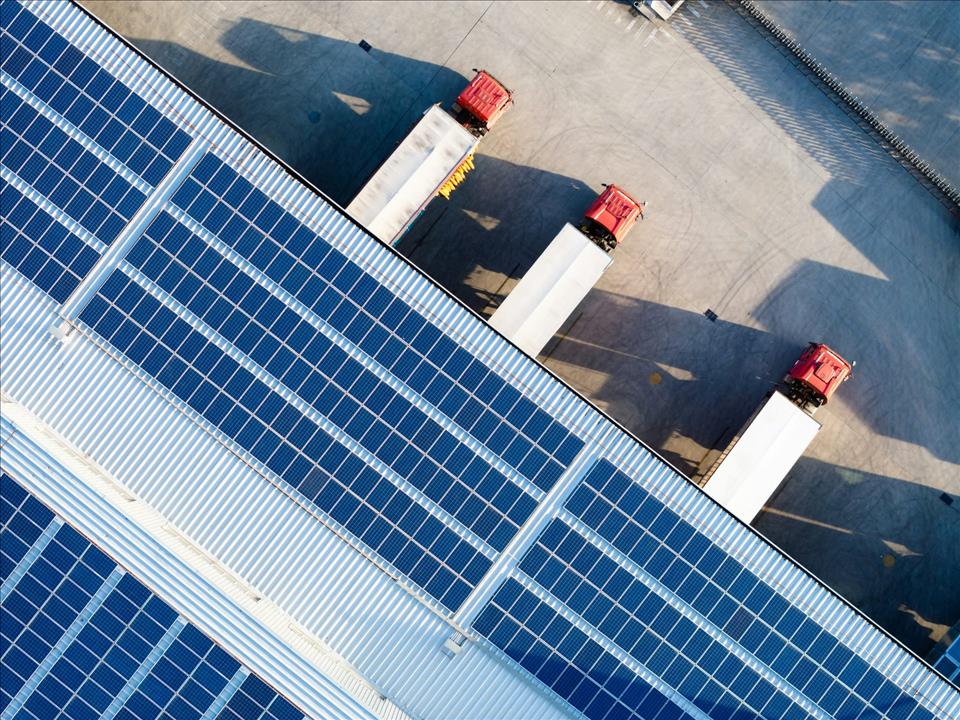
Electric Transport Is No Longer Niche. This Year's Budget Shows It's The Future
Author: Hussein Dia
(MENAFN- The Conversation) Last night's federal budget suggests an important step in Australia's transition to cleaner energy and electric transport may be underway.

Spiking prices and geopolitical uncertainty in global oil markets show transport policy is no longer just about mobility or environmental issues. It's also about energy.
Australia's overwhelming dependence on imported fuels has left it vulnerable to the worst energy crisis on record. Leaders have scrambled to shore up scarce supplies of diesel while EV sales soared across Australia.
The 2026 budget has important investments in freight rail, walking and cycling and fuel supplies.
But there were big gaps too. There was little to boost the EV charger network or begin electrifying heavy vehicles. There was also no clear plan for how governments will replace fuel excise revenue as transport electrifies.
Overall, the budget continues the cautious and incremental shift towards electric transport, rather than hitting the accelerator.
EV transition and market maturityIf the government backs EVs, why is it dialling back tax incentives such as the Electric Car Discount, which helped accelerate their early uptake?
It's because policymakers believe the EV market is maturing. Many more models have entered the market, cheaper models are available, ranges are longer and the secondhand market is growing. In April, sales of new battery EVs hit 16%. As markets mature, fewer incentives are needed.
Gaps around EV infrastructureThe budget included boosts for kerbside EV chargers and fleet electrification. These are welcome. But Australia will need significantly more infrastructure to support the mass uptake of electric transport.
Confidence in public chargers has to be higher. Millions of renters and apartment residents can't charge at home. Drivers and companies have to be confident of stable policies to keep investing in EVs. In this respect, the budget was a missed opportunity.
Road funding and long-term reformWhile the budget included support for the EV transition, it postponed the more difficult but vital conversations around how Australia will replace fuel excise revenue.
Next financial year, the government will get an estimated $28 billion from these taxes on liquid fuels. As more EVs appear, this revenue source will dwindle. This budget stops short of outlining a comprehensive long-term pathway.
The fairest replacement for fuel excise is to charge road users based on usage. This approach is highly sensitive, given cost-of-living pressures. But policymakers will not be able to avoid the question for too much longer.
Fuel security and resilienceEnergy resilience was a key theme in this year's budget, evident in the focus on securing fuel supplies and building more reliable supply chains.
There's another welcome shift towards sustainable transport beyond EVs. This was clear in finding ways to send more freight by rail and ships through a $55 million pilot program.
The government announced $500 million for active transport such as walking and cycling. This is very significant.
The budget funded several big road and rail upgrades across Queensland, Western Australia and New South Wales. These include freight rail improvements, upgrades to industrial corridors and better connections to urban areas.
At the same time, the government's decision to axe the Inland Rail project points to a continuing tension between long-term goals to boost rail freight and concerns around project costs.
Billions for city railwaysOne surprise announcement was $3.8 billion more for Melbourne's Suburban Rail Loop. The funding will further embed the Commonwealth in one of the nation's most ambitious – and controversial – transport projects. It's now estimated to cost $34.5 billion.
The Victorian government wants the large new railway to boost connection between suburbs and increase urban development around the stations.
It's reasonable to debate whether smaller-scale investments could deliver broader network benefits more quickly and at lower cost. But transformational projects such as this one are also intended to reshape land use, housing growth and make cities better connected. In practice, transport systems often require both incremental optimisation and selective long-term megaproject investment.
The road aheadTransport is no longer simply about moving people and goods. This year's budget makes clear transport is tied to economic resilience, energy security, productivity and long-term national sustainability.
The transition to electric transport is no longer a niche topic for environmentalists. It's becoming a broader economic and strategic transition that will shape how Australians live, move, work and connect in the decades ahead.
The challenge for policymakers is to keep the transport transition moving – and to ensure it remains affordable, equitable and reliable. The public have to be confident in both transport infrastructure and government policy.
Institution:Swinburne University of Technology

Legal Disclaimer:
MENAFN provides the
information “as is” without warranty of any kind. We do not accept
any responsibility or liability for the accuracy, content, images,
videos, licenses, completeness, legality, or reliability of the information
contained in this article. If you have any complaints or copyright
issues related to this article, kindly contact the provider above.
Most popular stories
Market Research

More Story






Comments
No comment