





403
Sorry!!
Error! We're sorry, but the page you were looking for doesn't exist.
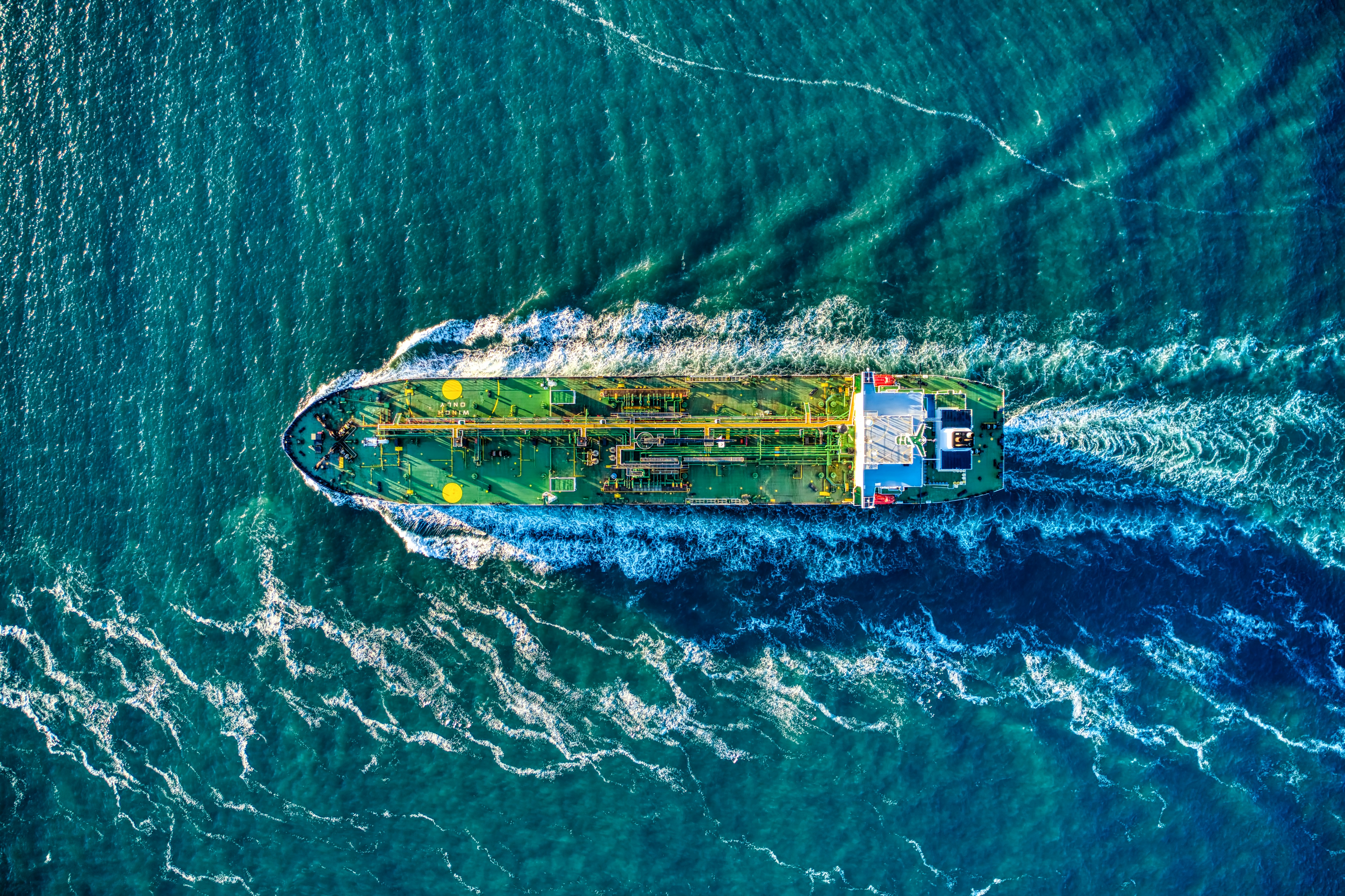
Three Iranian Tankers Evade U.S. Navy Blockade
(MENAFN) Three empty crude oil tankers linked to Iran have slipped past a U.S. Navy blockade over the past 48 hours, maritime intelligence firm TankerTrackers revealed Friday — the latest sign that Iranian-linked vessels are actively probing the limits of Washington's maritime stranglehold.
The vessels, all operated by the National Iranian Tanker Company, were tracked routing back toward Iran through Pakistan's Exclusive Economic Zone. Together, they carry a combined crude capacity of 5 million barrels, according to TankerTrackers.
Two of the tankers were visually confirmed through satellite imagery. A third — identified as the Hasna — emerged on Automatic Identification System (AIS) data late Thursday, placing it off the coast of Shinas, Oman, approximately 254 nautical miles (470 kilometers) west of the blockade perimeter. Visual verification of the Hasna remained pending as of Friday, while the identities of the two satellite-confirmed vessels were disclosed exclusively to TankerTrackers clients.
The sightings follow a confrontation at sea that U.S. Central Command disclosed Wednesday: American forces physically disabled the rudder of the Iranian-flagged M/T Hasna in the Gulf of Oman after its crew allegedly ignored repeated compliance warnings. CENTCOM confirmed the vessel was traveling unladen through international waters en route to an Iranian port when it was intercepted.
"Hasna is no longer transiting to Iran," CENTCOM said, adding that the US blockade against ships attempting to enter or leave Iranian ports remains in effect.
Ship-tracking records identify the Hasna as an Iranian-flagged crude tanker constructed in 2003, stretching over 333 meters in length. VesselFinder additionally flags the vessel as subject to U.S. sanctions.
The sequence of events signals a pattern of deliberate maneuvering by Iranian-linked tankers to circumvent the U.S. naval cordon — a blockade that has already choked crude traffic in and out of Iranian ports while dramatically sharpening international focus on shipping lanes through the Gulf of Oman, Pakistan's EEZ, and the strategically vital approaches to the Strait of Hormuz.
The vessels, all operated by the National Iranian Tanker Company, were tracked routing back toward Iran through Pakistan's Exclusive Economic Zone. Together, they carry a combined crude capacity of 5 million barrels, according to TankerTrackers.
Two of the tankers were visually confirmed through satellite imagery. A third — identified as the Hasna — emerged on Automatic Identification System (AIS) data late Thursday, placing it off the coast of Shinas, Oman, approximately 254 nautical miles (470 kilometers) west of the blockade perimeter. Visual verification of the Hasna remained pending as of Friday, while the identities of the two satellite-confirmed vessels were disclosed exclusively to TankerTrackers clients.
The sightings follow a confrontation at sea that U.S. Central Command disclosed Wednesday: American forces physically disabled the rudder of the Iranian-flagged M/T Hasna in the Gulf of Oman after its crew allegedly ignored repeated compliance warnings. CENTCOM confirmed the vessel was traveling unladen through international waters en route to an Iranian port when it was intercepted.
"Hasna is no longer transiting to Iran," CENTCOM said, adding that the US blockade against ships attempting to enter or leave Iranian ports remains in effect.
Ship-tracking records identify the Hasna as an Iranian-flagged crude tanker constructed in 2003, stretching over 333 meters in length. VesselFinder additionally flags the vessel as subject to U.S. sanctions.
The sequence of events signals a pattern of deliberate maneuvering by Iranian-linked tankers to circumvent the U.S. naval cordon — a blockade that has already choked crude traffic in and out of Iranian ports while dramatically sharpening international focus on shipping lanes through the Gulf of Oman, Pakistan's EEZ, and the strategically vital approaches to the Strait of Hormuz.

Legal Disclaimer:
MENAFN provides the
information “as is” without warranty of any kind. We do not accept
any responsibility or liability for the accuracy, content, images,
videos, licenses, completeness, legality, or reliability of the information
contained in this article. If you have any complaints or copyright
issues related to this article, kindly contact the provider above.
Most popular stories
Market Research

More Story








Comments
No comment