


Trump Rebuffs Iran's Counteroffer as "TOTALLY UNACCEPTABLE"


(MENAFN) Iran has flatly rejected the latest American negotiating proposal, characterizing it as tantamount to capitulation and firing back with its own set of sweeping demands — a response U.S. President Donald Trump wasted no time denouncing.
Tehran's counterdraft, reported Sunday by a semi-official news agency, calls for an immediate halt to hostilities across all fronts, binding guarantees against future U.S.-led aggression, and the full removal of American sanctions alongside the lifting of the naval blockade choking Iranian waters.
"The proposal highlights the need to immediately end the war, provide guarantees for the non-repetition of the aggression against Iran, and certain other issues within a political agreement," Tasnim cited an informed source as saying.
Beyond the ceasefire terms, Tehran is demanding a 30-day deadline for Washington to rescind sanctions on Iranian oil exports, as well as the unfreezing of Iranian assets upon the conclusion of any preliminary accord, according to the report.
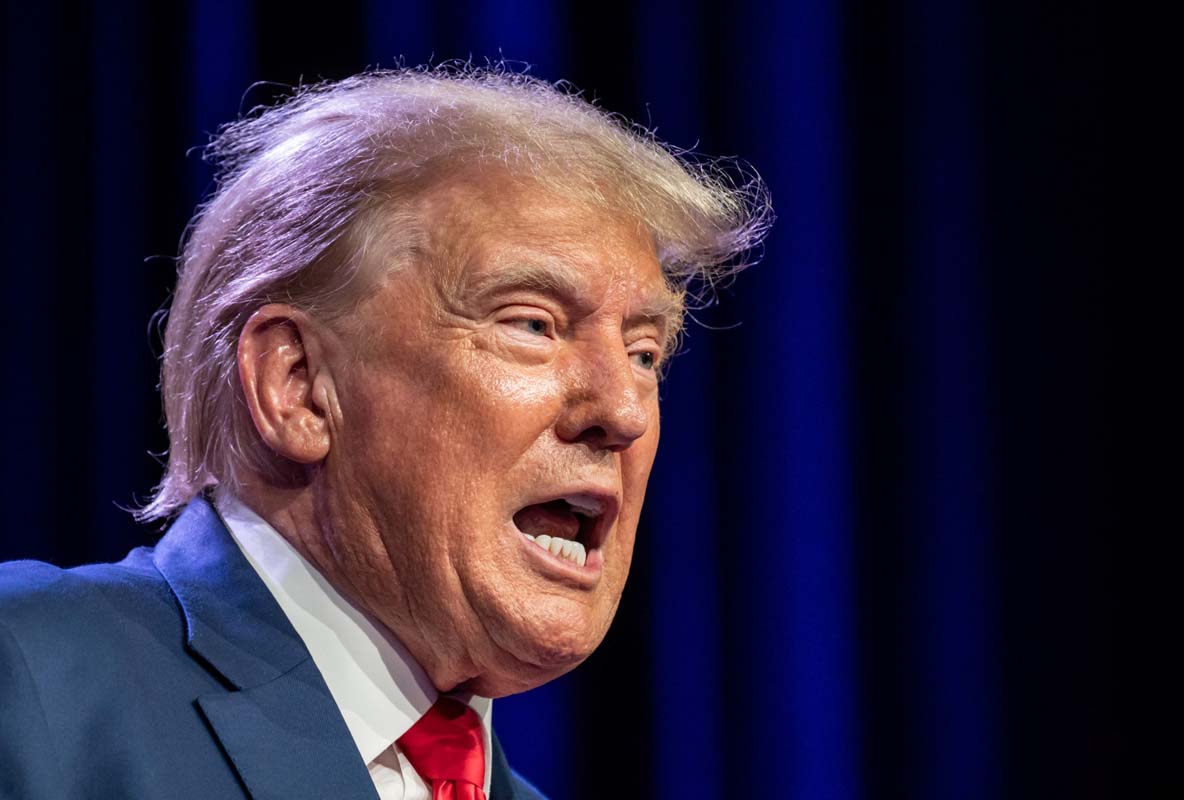
Trump fired back within hours on his social media platform, offering no elaboration but leaving no ambiguity.
"I have just read the response from Iran's so-called 'Representatives.' I don't like it -- TOTALLY UNACCEPTABLE!" he wrote.
U.S. Secretary of State Marco Rubio has separately stressed that Iran must "make it clear" that it harbors no ambitions to develop a nuclear weapon — a condition Washington regards as non-negotiable in any lasting peace framework.
The exchange marks the latest flashpoint in weeks of back-and-forth proposals relayed through Pakistani mediation. A ceasefire between the two sides came into force on April 8, followed by formal delegations meeting in Islamabad on April 11 and 12 — talks that ultimately collapsed without resolution. Washington subsequently imposed its own blockade on the strategic strait.
The current crisis traces back to February 28, when U.S. and Israeli forces launched coordinated strikes on Tehran and other Iranian cities, killing then-Supreme Leader Ali Khamenei, senior government figures, and civilians. Iran retaliated with waves of missile and drone attacks targeting Israel and U.S. regional interests, while simultaneously tightening its grip over the Strait of Hormuz.
Tehran's counterdraft, reported Sunday by a semi-official news agency, calls for an immediate halt to hostilities across all fronts, binding guarantees against future U.S.-led aggression, and the full removal of American sanctions alongside the lifting of the naval blockade choking Iranian waters.
"The proposal highlights the need to immediately end the war, provide guarantees for the non-repetition of the aggression against Iran, and certain other issues within a political agreement," Tasnim cited an informed source as saying.
Beyond the ceasefire terms, Tehran is demanding a 30-day deadline for Washington to rescind sanctions on Iranian oil exports, as well as the unfreezing of Iranian assets upon the conclusion of any preliminary accord, according to the report.
Trump fired back within hours on his social media platform, offering no elaboration but leaving no ambiguity.
"I have just read the response from Iran's so-called 'Representatives.' I don't like it -- TOTALLY UNACCEPTABLE!" he wrote.
U.S. Secretary of State Marco Rubio has separately stressed that Iran must "make it clear" that it harbors no ambitions to develop a nuclear weapon — a condition Washington regards as non-negotiable in any lasting peace framework.
The exchange marks the latest flashpoint in weeks of back-and-forth proposals relayed through Pakistani mediation. A ceasefire between the two sides came into force on April 8, followed by formal delegations meeting in Islamabad on April 11 and 12 — talks that ultimately collapsed without resolution. Washington subsequently imposed its own blockade on the strategic strait.
The current crisis traces back to February 28, when U.S. and Israeli forces launched coordinated strikes on Tehran and other Iranian cities, killing then-Supreme Leader Ali Khamenei, senior government figures, and civilians. Iran retaliated with waves of missile and drone attacks targeting Israel and U.S. regional interests, while simultaneously tightening its grip over the Strait of Hormuz.

Legal Disclaimer:
MENAFN provides the
information “as is” without warranty of any kind. We do not accept
any responsibility or liability for the accuracy, content, images,
videos, licenses, completeness, legality, or reliability of the information
contained in this article. If you have any complaints or copyright
issues related to this article, kindly contact the provider above.


Comments
No comment