

8 Cities Across The U.S. That Are Declining Fast


Some American cities no longer grow the way they once did. Factory closures, job migration, and shifting populations have reshaped entire regions. Streets that once buzzed with industry now struggle to attract investment. The changes feel dramatic, but they follow long economic patterns.
These shifts do not happen overnight. Decades of manufacturing decline, suburban migration, and policy challenges all contribute. Each city tells its own story of resilience and struggle. The following eight cities highlight where the pressure shows most clearly today.
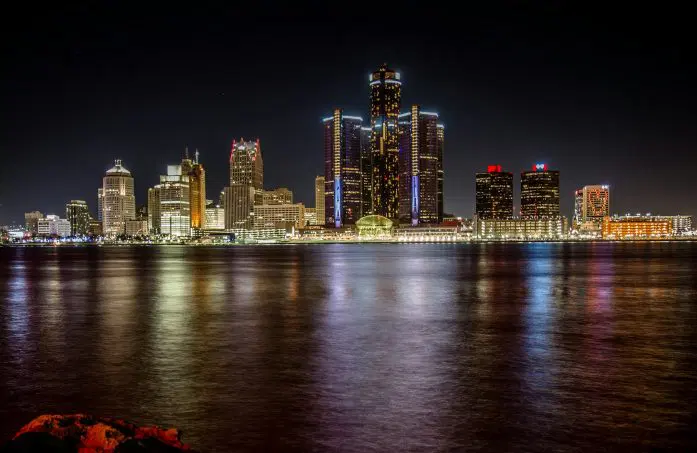
1. Detroit, Michigan: A Symbol of Industrial Collapse and Slow RebuildDetroit once powered America's auto industry with unmatched strength. Factories closed over decades, pushing residents to seek work elsewhere. Entire neighborhoods lost population as jobs moved to suburbs and other states. New investments in tech and manufacturing now try to rebuild momentum. The city still balances hope with visible signs of long-term decline.
2. Cleveland, Ohio: A Rust Belt City Searching for New IdentityCleveland built its legacy on steel, shipping, and manufacturing dominance. Industrial downsizing cut thousands of stable jobs across the metro area. Population loss reshaped housing markets and reduced city revenue streams. Health care and education sectors now drive much of its modern economy. Cleveland continues to reinvent itself while confronting uneven recovery.
3. St. Louis, Missouri: Population Loss Meets Economic TransitionSt. Louis once thrived as a major river and rail hub. Suburban flight reduced the city's population over several decades. Economic shifts weakened traditional manufacturing and distribution jobs. New industries like biotech and services try to stabilize growth. The city still grapples with uneven development across its neighborhoods.
4. Baltimore, Maryland: Port City Facing Long-Term Population DeclineBaltimore grew around shipping, manufacturing, and maritime trade. Job losses in industry pushed many residents toward surrounding counties. Some neighborhoods struggle with vacant housing and reduced investment. Healthcare, logistics, and education now support much of the economy. Ongoing redevelopment projects aim to rebuild confidence in the city.
A ship sitting in the waters of Baltimore – Unsplash
5. Buffalo, New York: Once Bustling Gateway Now Facing Slow GrowthBuffalo thrived as a key transportation and steel production hub. The opening of the St. Lawrence Seaway shifted trade routes away. Population decline followed as industrial jobs disappeared over time. Renewable energy and healthcare now offer new opportunities. The city works to convert old infrastructure into modern spaces.
6. Youngstown, Ohio: A Hard-Hit Steel Town Still AdaptingYoungstown relied heavily on steel production for its economic base. Factory shutdowns in the late twentieth century devastated employment. Population dropped sharply as workers left in search of stability. Small businesses and service jobs now define much of its economy. Community efforts focus on revitalizing abandoned industrial areas.
7. Flint, Michigan: Manufacturing Legacy and Ongoing ChallengesFlint became known worldwide for its automotive manufacturing strength. Plant closures reduced job availability and triggered population loss. Infrastructure issues added pressure on residents and city services. New initiatives aim to improve water systems and attract investment. The city continues to rebuild trust and economic stability.
8. Gary, Indiana: Steel Industry Decline and Population ExodusGary rose quickly as a steel production powerhouse in the twentieth century. The decline of U.S. steel demand led to widespread job losses. Many residents relocated, leaving large sections of the city underpopulated. Redevelopment efforts try to repurpose vacant land and buildings. Gary still works toward economic diversification and renewed growth.
What Is Behind America's Shrinking Cities?These cities reflect broader shifts in American industry and labor patterns. Manufacturing decline and automation changed employment opportunities nationwide. Migration toward suburban and southern regions reshaped urban demographics. Recovery efforts show that reinvention takes time, investment, and persistence. Each city demonstrates both the cost of change and the possibility of renewal.
What do you think will define the future of these shrinking cities: revival, reinvention, or continued decline? How can we turn things around? Let's chat about this below in our comments section.

Legal Disclaimer:
MENAFN provides the
information “as is” without warranty of any kind. We do not accept any
responsibility or liability for the accuracy, content, images, videos,
licenses, completeness, legality, or reliability of the information
contained in this article. If you have any complaints or copyright issues
related to this article, kindly contact the provider above.
Comments
No comment