

403
Sorry!!
Error! We're sorry, but the page you were looking for doesn't exist.
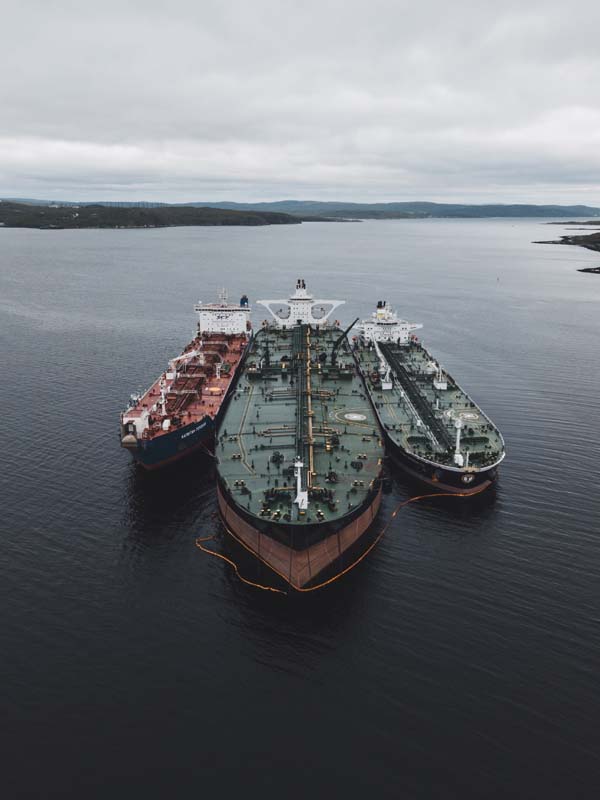
Reports Say Two Cargo Ships Attacked Near Strait of Hormuz


(MENAFN) Two cargo vessels were reportedly struck near the Strait of Hormuz on Sunday, according to the United Kingdom Maritime Trade Operations (UKMTO), as tensions continue to rise in one of the world’s most critical shipping corridors.
The Strait of Hormuz, which is responsible for roughly a fifth of global oil and liquefied natural gas transport, has become increasingly unstable amid competing restrictions and military activity affecting navigation in the area.
According to reports, the first incident involved multiple vessels near Ras Al Khaimah in the United Arab Emirates, which received radio instructions to leave anchorage and head toward Dubai. A short time later, a northbound bulk carrier was reportedly attacked by small boats approximately 11 nautical miles west of Sirik in Iran. In a separate incident hours later, a tanker was reportedly hit by unidentified projectiles north of Fujairah in the UAE.
UKMTO stated that all crew members were safe following the incidents and that no environmental damage had been confirmed.
The maritime situation in the region remains highly sensitive, with reports of restricted movement affecting shipping traffic through the strait. Some vessels are said to be experiencing delays or rerouting amid heightened security risks.
Political statements have added to the tension. The U.S. president said that American forces would begin assisting with guiding commercial shipping through the strait, with a focus on providing navigation information and supporting safe passage. Reports also indicate continued U.S. naval presence in the region.
At the same time, Iranian officials have asserted what they describe as sovereign control over the waterway and have warned against foreign intervention in its operations. Iranian political figures have also indicated that Tehran will maintain its position regardless of ongoing diplomatic negotiations.
The situation reflects continuing instability in the region’s maritime routes, with shipping security, energy transport, and geopolitical tensions all converging in the Strait of Hormuz area.
The Strait of Hormuz, which is responsible for roughly a fifth of global oil and liquefied natural gas transport, has become increasingly unstable amid competing restrictions and military activity affecting navigation in the area.
According to reports, the first incident involved multiple vessels near Ras Al Khaimah in the United Arab Emirates, which received radio instructions to leave anchorage and head toward Dubai. A short time later, a northbound bulk carrier was reportedly attacked by small boats approximately 11 nautical miles west of Sirik in Iran. In a separate incident hours later, a tanker was reportedly hit by unidentified projectiles north of Fujairah in the UAE.
UKMTO stated that all crew members were safe following the incidents and that no environmental damage had been confirmed.
The maritime situation in the region remains highly sensitive, with reports of restricted movement affecting shipping traffic through the strait. Some vessels are said to be experiencing delays or rerouting amid heightened security risks.
Political statements have added to the tension. The U.S. president said that American forces would begin assisting with guiding commercial shipping through the strait, with a focus on providing navigation information and supporting safe passage. Reports also indicate continued U.S. naval presence in the region.
At the same time, Iranian officials have asserted what they describe as sovereign control over the waterway and have warned against foreign intervention in its operations. Iranian political figures have also indicated that Tehran will maintain its position regardless of ongoing diplomatic negotiations.
The situation reflects continuing instability in the region’s maritime routes, with shipping security, energy transport, and geopolitical tensions all converging in the Strait of Hormuz area.

Legal Disclaimer:
MENAFN provides the
information “as is” without warranty of any kind. We do not accept any
responsibility or liability for the accuracy, content, images, videos,
licenses, completeness, legality, or reliability of the information
contained in this article. If you have any complaints or copyright issues
related to this article, kindly contact the provider above.
Comments
No comment