




403
Sorry!!
Error! We're sorry, but the page you were looking for doesn't exist.
13 Nudes That Changed Western Art History
(MENAFN- USA Art News)
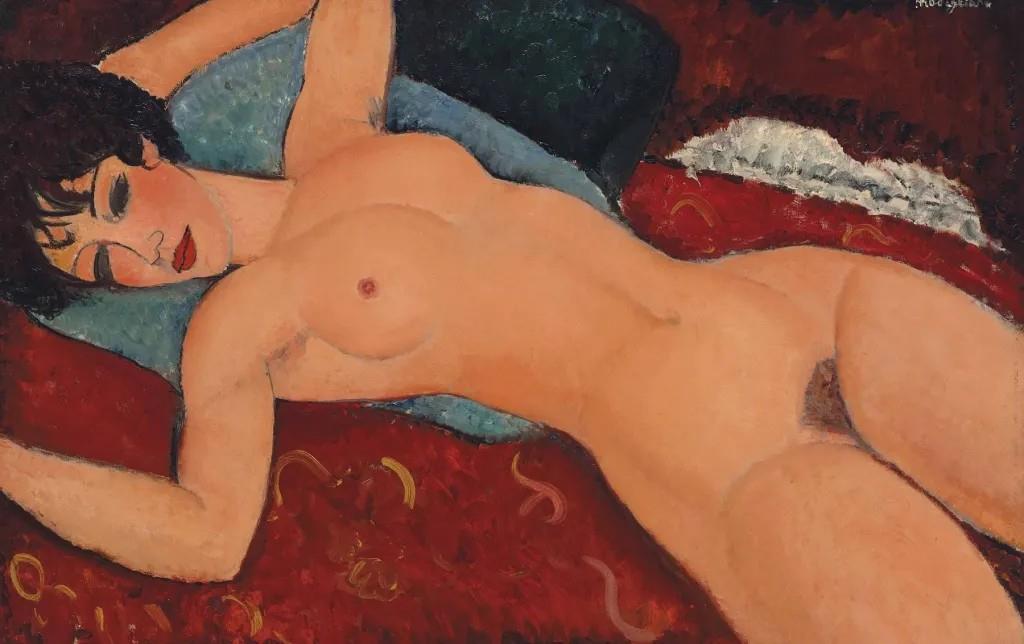
How 13 Western Artworks Reimagined the Nude Across History
The nude has long been one of art's most durable subjects, but it has never stayed still. A new survey of 13 Western artworks traces how artists transformed the human body from a symbol of fertility and myth into a vehicle for science, modernity, and self-invention.
The story begins with the Venus of Willendorf, one of the oldest surviving works of art, a limestone figurine dating to between 24,000 and 22,000 B.C. From that prehistoric figure to 20th-century experiments in fragmentation and self-portraiture, the survey shows how each era redefined what the nude could mean - and who was allowed to depict it.
In the Renaissance, Sandro Botticelli's Birth of Venus offered something unusual for its time: a nearly life-size full-length nude presented not as punishment or moral warning, but as a celebration of beauty. Leonardo da Vinci's Vitruvian Man shifted the conversation again, using the body as a tool for measuring ideal proportion through a blend of art and science.
The survey also underscores how the nude opened, slowly and unevenly, to women artists. Lavinia Fontana's Minerva Dressing, from 1613, is identified here as the first known female nude painted by a woman. That distinction matters not only for Fontana's career, but for the broader history of artistic permission - who could paint the body, and on what terms.
By the 19th century, Édouard Manet's Olympia had made the nude newly contemporary and deeply unsettling. Shown at the 1865 Paris Salon, the painting replaced classical idealization with a figure that felt immediate, urban, and unsparing. Its scandal came from that refusal to flatter. The body was no longer safely mythological; it was social, specific, and charged.
The later works in the survey push that evolution further. Auguste Rodin's The Walking Man, with its cracked torso and separate legs, helped establish a more fragmented modern sculpture. Paula Modersohn-Becker's Self-Portrait on Her Sixth Wedding Anniversary is described as the first known female nude self-portrait, bringing the nude into the realm of self-authorship.
Taken together, the 13 works suggest that the nude is less a fixed category than a record of changing ideas about beauty, knowledge, power, and identity. That is what gives the subject its lasting force: every generation seems to rediscover the body, then redraw its boundaries.

Legal Disclaimer:
MENAFN provides the
information “as is” without warranty of any kind. We do not accept
any responsibility or liability for the accuracy, content, images,
videos, licenses, completeness, legality, or reliability of the information
contained in this article. If you have any complaints or copyright
issues related to this article, kindly contact the provider above.
Most popular stories
Market Research

More Story








Comments
No comment