

403
Sorry!!
Error! We're sorry, but the page you were looking for doesn't exist.
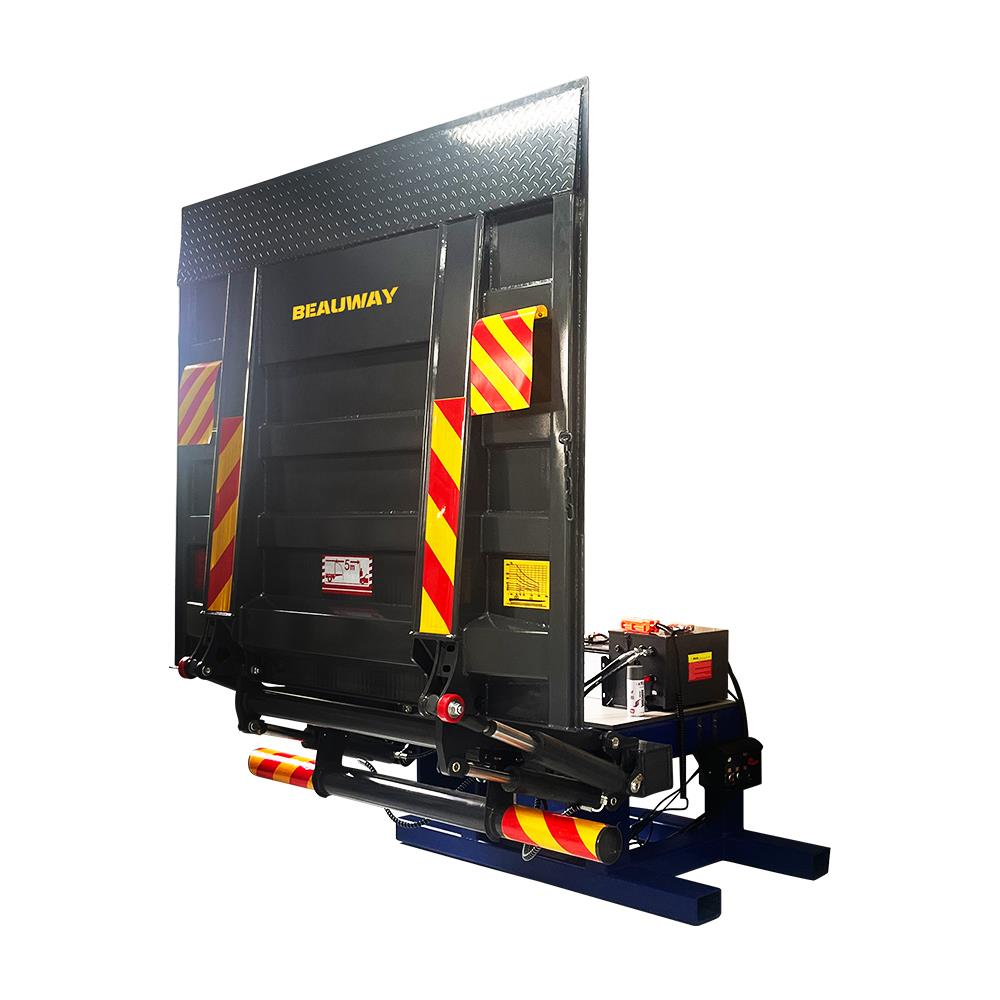
How a Pneumatic Truck Tail Lift Works: Structure, Operation Process, and Logistics Applications Explained


(MENAFNEditorial) Basic Principles of a Pneumatic Tail Lift System
Over the past decade working in tail lift equipment supply and commercial vehicle modification, I have often been asked by logistics companies and fleet managers how a tail lift actually works, especially when it involves pneumatic-assisted lifting systems. In many purchasing discussions, buyers focus mainly on lifting capacity—such as 500kg, 1000kg, or even 1500kg—while overlooking the drive mechanism that powers the system. From my experience supplying equipment for logistics fleets, the design of a truck tail lift directly affects loading efficiency, maintenance cost, and long-term operational stability.
A pneumatic lifting system works by using compressed air to create mechanical force. In some vehicle modification solutions, the lifting structure combines elements of a hydraulic tail lift with pneumatic control components. The compressed air acts on cylinders and control valves, enabling the lifting movement of the platform. This process allows the truck liftgate to raise and lower cargo efficiently while maintaining smooth operation even during frequent loading cycles.
A typical lifting structure used in logistics vehicles consists of several key components, including an air compressor, air storage tank, valve control system, pneumatic cylinder, and the mechanical platform structure. The compressor draws in atmospheric air and compresses it to a higher pressure level. The compressed air is then stored in the tank until the operator activates the system. Once triggered, the compressed air flows through control valves into the cylinder, generating the movement needed to operate the cargo liftgate platform.
In modern logistics fleets, the vehicle liftgate has become essential for improving loading efficiency. Based on operational data from several fleet projects I have worked on, most truck loading liftgate systems complete a full lifting cycle within 8 to 15 seconds depending on cargo weight and system pressure stability. This relatively short cycle time is one of the reasons why the truck rear lift platform has become a standard configuration for many commercial distribution vehicles.
Core Components of the Pneumatic Tail Lift
Understanding the internal structure of the system helps explain how a box truck tail lift operates reliably under daily logistics workloads. In practical installations, the compressor serves as the primary energy source of the system. When logistics vehicles perform frequent loading operations—sometimes exceeding 120 cycles per day—the compressor must maintain stable air pressure so the tail lift system can function smoothly without interruption.
The air storage tank plays an equally important role. It stores compressed air and stabilizes pressure levels across the entire system. In many standard hydraulic tail lift system configurations that integrate pneumatic control, the pressure in the tank is typically maintained between 6 and 8 bar. This pressure range ensures consistent lifting force and prevents unstable movement during operation.
Another critical component is the control valve assembly. In practical operation, the operator activates the lifting system through a control switch or panel. The valves then direct compressed air into different chambers of the cylinder. This airflow determines whether the truck tail lift platform rises or descends. In some upgraded designs, additional safety valves and limit switches are installed to improve operational safety and prevent accidental movement of the truck liftgate.
The pneumatic cylinder converts air pressure into mechanical motion. When compressed air enters the cylinder, it pushes the internal piston forward. This piston movement is transferred through mechanical linkages that move the lifting arms and platform. As a result, the cargo liftgate platform can raise cargo from ground level to the truck floor height smoothly and safely.
The Complete Cargo Loading Process
In real logistics operations, the loading process using a tail lift generally follows three operational stages. These stages are common across most truck loading liftgate configurations used in distribution fleets.
The first stage involves lowering the platform. Before cargo loading begins, the operator activates the control panel, which directs compressed air into one side of the cylinder. This movement causes the piston to extend and gradually lowers the truck rear lift platform until it reaches ground level. The descent speed is controlled to ensure stability and prevent sudden impact with the ground.
Once the platform reaches the ground, the second stage begins. Cargo is placed onto the cargo liftgate platform using pallet jacks, carts, or manual loading. In many urban distribution fleets that I have worked with, the average cargo weight per loading cycle typically ranges between 200kg and 600kg. For vehicles equipped with heavy-duty hydraulic liftgate systems, the lifting capacity may reach 1000kg or even 1500kg depending on the design of the box truck tail lift.
After the cargo is securely positioned on the platform, the operator activates the lifting mechanism again. At this point, compressed air is redirected through the valve system into the opposite side of the cylinder. This reverses the piston movement and raises the vehicle liftgate platform upward. The platform lifts the cargo until it aligns with the truck floor, allowing the cargo to be rolled or pushed directly into the vehicle. For most truck tail lift systems, this lifting process typically takes around 10 seconds.
Advantages of Pneumatic Tail Lift Systems in Logistics Operations
From practical fleet operation experience, pneumatic systems offer several advantages in daily logistics use. One major advantage is structural simplicity. Compared with more complex designs, pneumatic-assisted systems often involve fewer hydraulic components. In many tail lift system maintenance cases, the most common issues are air hose leakage, valve blockage, or insufficient air pressure. These issues are generally easier to diagnose and repair than failures in a fully integrated hydraulic system.
Maintenance cost is another factor that logistics companies often consider. Large distribution fleets rely on reliable equipment to avoid downtime. Compared with certain complex hydraulic tail lift system designs, pneumatic components are typically less expensive and easier to replace. In one regional logistics fleet project I worked with, the adoption of pneumatic control mechanisms in their truck tail lift equipment helped reduce annual maintenance costs by approximately 25 percent.
Clean operation is also an advantage in some logistics environments. Unlike systems that rely heavily on oil pressure, pneumatic systems primarily use compressed air. This reduces the risk of oil leakage from the truck liftgate, which can be particularly important in warehouse operations or food distribution environments. For cold chain transportation or food logistics fleets, maintaining a clean loading environment is an important operational requirement, which makes pneumatic-assisted vehicle liftgate systems a suitable option.
Practical Application in Urban Logistics Fleets
A recent project I participated in involved equipping thirty distribution vehicles with box truck tail lift equipment for urban delivery operations. Each vehicle performed between 80 and 100 loading cycles per day, making the truck loading liftgate a critical component of their daily workflow.
After approximately one year of operation, we analyzed the performance data of the truck rear lift platform systems installed on these vehicles. The average lifting cycle time was around 11 seconds, the equipment failure rate remained below 1.2 percent, and the maximum stable load capacity reached about 800kg. These results confirmed that a properly designed hydraulic liftgate or pneumatic-assisted lifting system can significantly improve loading efficiency in high-frequency logistics operations.
Regular tail lift maintenance also played an important role in maintaining performance. Scheduled inspection of air lines, valve assemblies, and platform hinges helped ensure the long-term reliability of the lifting system. Without proper maintenance and tail lift troubleshooting, even high-quality equipment can gradually develop operational issues over time.
Tail Lift Selection and Procurement Considerations
From my experience supporting logistics equipment procurement projects, companies should evaluate several key factors when selecting a truck tail lift. The lifting capacity must match the vehicle’s operational workload, the platform dimensions must accommodate typical cargo sizes, and the overall structure of the tail lift system should allow for reliable long-term operation.
Maintenance accessibility should also be considered during equipment selection. In many cases, companies focus primarily on purchase price while overlooking long-term service requirements. However, the reliability of the hydraulic tail lift system ultimately determines operational costs over the life of the vehicle.
In modern logistics fleets, the truck liftgate has become an essential tool for improving efficiency and reducing manual labor. Whether referred to as a tail lift, vehicle liftgate, or truck rear lift platform, these systems help streamline cargo handling, improve workplace safety, and support faster delivery operations.
For companies planning to purchase a box truck tail lift, selecting a reliable and professionally engineered hydraulic tail lift system is critical for maintaining efficient logistics operations. Beauway provides professional truck tail lift manufacturing solutions and supports stable procurement partnerships for global distributors, vehicle modification companies, and logistics fleet operators seeking dependable tail lift system equipment.
Over the past decade working in tail lift equipment supply and commercial vehicle modification, I have often been asked by logistics companies and fleet managers how a tail lift actually works, especially when it involves pneumatic-assisted lifting systems. In many purchasing discussions, buyers focus mainly on lifting capacity—such as 500kg, 1000kg, or even 1500kg—while overlooking the drive mechanism that powers the system. From my experience supplying equipment for logistics fleets, the design of a truck tail lift directly affects loading efficiency, maintenance cost, and long-term operational stability.
A pneumatic lifting system works by using compressed air to create mechanical force. In some vehicle modification solutions, the lifting structure combines elements of a hydraulic tail lift with pneumatic control components. The compressed air acts on cylinders and control valves, enabling the lifting movement of the platform. This process allows the truck liftgate to raise and lower cargo efficiently while maintaining smooth operation even during frequent loading cycles.
A typical lifting structure used in logistics vehicles consists of several key components, including an air compressor, air storage tank, valve control system, pneumatic cylinder, and the mechanical platform structure. The compressor draws in atmospheric air and compresses it to a higher pressure level. The compressed air is then stored in the tank until the operator activates the system. Once triggered, the compressed air flows through control valves into the cylinder, generating the movement needed to operate the cargo liftgate platform.
In modern logistics fleets, the vehicle liftgate has become essential for improving loading efficiency. Based on operational data from several fleet projects I have worked on, most truck loading liftgate systems complete a full lifting cycle within 8 to 15 seconds depending on cargo weight and system pressure stability. This relatively short cycle time is one of the reasons why the truck rear lift platform has become a standard configuration for many commercial distribution vehicles.
Core Components of the Pneumatic Tail Lift
Understanding the internal structure of the system helps explain how a box truck tail lift operates reliably under daily logistics workloads. In practical installations, the compressor serves as the primary energy source of the system. When logistics vehicles perform frequent loading operations—sometimes exceeding 120 cycles per day—the compressor must maintain stable air pressure so the tail lift system can function smoothly without interruption.
The air storage tank plays an equally important role. It stores compressed air and stabilizes pressure levels across the entire system. In many standard hydraulic tail lift system configurations that integrate pneumatic control, the pressure in the tank is typically maintained between 6 and 8 bar. This pressure range ensures consistent lifting force and prevents unstable movement during operation.
Another critical component is the control valve assembly. In practical operation, the operator activates the lifting system through a control switch or panel. The valves then direct compressed air into different chambers of the cylinder. This airflow determines whether the truck tail lift platform rises or descends. In some upgraded designs, additional safety valves and limit switches are installed to improve operational safety and prevent accidental movement of the truck liftgate.
The pneumatic cylinder converts air pressure into mechanical motion. When compressed air enters the cylinder, it pushes the internal piston forward. This piston movement is transferred through mechanical linkages that move the lifting arms and platform. As a result, the cargo liftgate platform can raise cargo from ground level to the truck floor height smoothly and safely.
The Complete Cargo Loading Process
In real logistics operations, the loading process using a tail lift generally follows three operational stages. These stages are common across most truck loading liftgate configurations used in distribution fleets.
The first stage involves lowering the platform. Before cargo loading begins, the operator activates the control panel, which directs compressed air into one side of the cylinder. This movement causes the piston to extend and gradually lowers the truck rear lift platform until it reaches ground level. The descent speed is controlled to ensure stability and prevent sudden impact with the ground.
Once the platform reaches the ground, the second stage begins. Cargo is placed onto the cargo liftgate platform using pallet jacks, carts, or manual loading. In many urban distribution fleets that I have worked with, the average cargo weight per loading cycle typically ranges between 200kg and 600kg. For vehicles equipped with heavy-duty hydraulic liftgate systems, the lifting capacity may reach 1000kg or even 1500kg depending on the design of the box truck tail lift.
After the cargo is securely positioned on the platform, the operator activates the lifting mechanism again. At this point, compressed air is redirected through the valve system into the opposite side of the cylinder. This reverses the piston movement and raises the vehicle liftgate platform upward. The platform lifts the cargo until it aligns with the truck floor, allowing the cargo to be rolled or pushed directly into the vehicle. For most truck tail lift systems, this lifting process typically takes around 10 seconds.
Advantages of Pneumatic Tail Lift Systems in Logistics Operations
From practical fleet operation experience, pneumatic systems offer several advantages in daily logistics use. One major advantage is structural simplicity. Compared with more complex designs, pneumatic-assisted systems often involve fewer hydraulic components. In many tail lift system maintenance cases, the most common issues are air hose leakage, valve blockage, or insufficient air pressure. These issues are generally easier to diagnose and repair than failures in a fully integrated hydraulic system.
Maintenance cost is another factor that logistics companies often consider. Large distribution fleets rely on reliable equipment to avoid downtime. Compared with certain complex hydraulic tail lift system designs, pneumatic components are typically less expensive and easier to replace. In one regional logistics fleet project I worked with, the adoption of pneumatic control mechanisms in their truck tail lift equipment helped reduce annual maintenance costs by approximately 25 percent.
Clean operation is also an advantage in some logistics environments. Unlike systems that rely heavily on oil pressure, pneumatic systems primarily use compressed air. This reduces the risk of oil leakage from the truck liftgate, which can be particularly important in warehouse operations or food distribution environments. For cold chain transportation or food logistics fleets, maintaining a clean loading environment is an important operational requirement, which makes pneumatic-assisted vehicle liftgate systems a suitable option.
Practical Application in Urban Logistics Fleets
A recent project I participated in involved equipping thirty distribution vehicles with box truck tail lift equipment for urban delivery operations. Each vehicle performed between 80 and 100 loading cycles per day, making the truck loading liftgate a critical component of their daily workflow.
After approximately one year of operation, we analyzed the performance data of the truck rear lift platform systems installed on these vehicles. The average lifting cycle time was around 11 seconds, the equipment failure rate remained below 1.2 percent, and the maximum stable load capacity reached about 800kg. These results confirmed that a properly designed hydraulic liftgate or pneumatic-assisted lifting system can significantly improve loading efficiency in high-frequency logistics operations.
Regular tail lift maintenance also played an important role in maintaining performance. Scheduled inspection of air lines, valve assemblies, and platform hinges helped ensure the long-term reliability of the lifting system. Without proper maintenance and tail lift troubleshooting, even high-quality equipment can gradually develop operational issues over time.
Tail Lift Selection and Procurement Considerations
From my experience supporting logistics equipment procurement projects, companies should evaluate several key factors when selecting a truck tail lift. The lifting capacity must match the vehicle’s operational workload, the platform dimensions must accommodate typical cargo sizes, and the overall structure of the tail lift system should allow for reliable long-term operation.
Maintenance accessibility should also be considered during equipment selection. In many cases, companies focus primarily on purchase price while overlooking long-term service requirements. However, the reliability of the hydraulic tail lift system ultimately determines operational costs over the life of the vehicle.
In modern logistics fleets, the truck liftgate has become an essential tool for improving efficiency and reducing manual labor. Whether referred to as a tail lift, vehicle liftgate, or truck rear lift platform, these systems help streamline cargo handling, improve workplace safety, and support faster delivery operations.
For companies planning to purchase a box truck tail lift, selecting a reliable and professionally engineered hydraulic tail lift system is critical for maintaining efficient logistics operations. Beauway provides professional truck tail lift manufacturing solutions and supports stable procurement partnerships for global distributors, vehicle modification companies, and logistics fleet operators seeking dependable tail lift system equipment.

Legal Disclaimer:
MENAFN provides the
information “as is” without warranty of any kind. We do not accept any
responsibility or liability for the accuracy, content, images, videos,
licenses, completeness, legality, or reliability of the information
contained in this article. If you have any complaints or copyright issues
related to this article, kindly contact the provider above.
Comments
No comment