

403
Sorry!!
Error! We're sorry, but the page you were looking for doesn't exist.
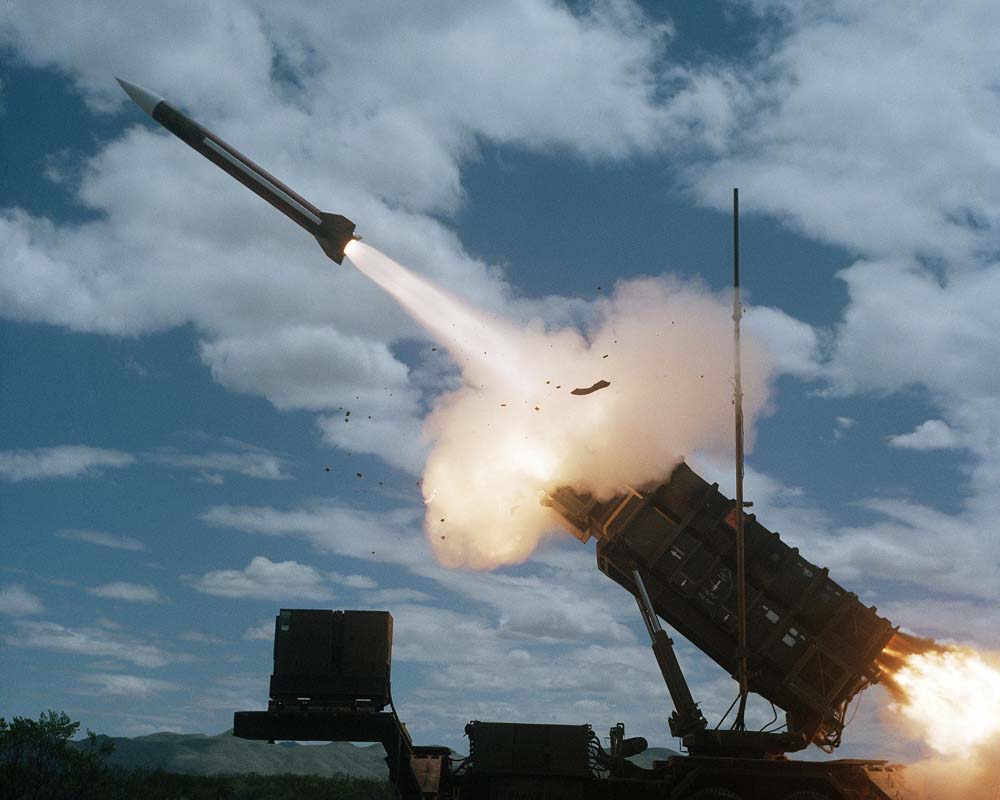
US Say Iran Holds Substantial Missile Capacity After Strikes


(MENAFN) Iran continues to maintain a significant share of its military drone and missile arsenal despite sustained US and Israeli strikes, according to assessments cited by reports.
US intelligence and defense officials estimate that Iran still possesses roughly 40% of its pre-conflict drone inventory and more than 60% of its missile launcher systems. They describe the remaining capability as enough to preserve a strong deterrent posture.
Officials also reported that over 100 launcher systems, previously hidden in fortified locations such as caves and bunkers, have been recovered since a ceasefire that began on April 8. This suggests ongoing efforts to restore operational readiness.
In addition, Iran is believed to be working on retrieving missiles buried under damaged storage sites and underground facilities. Some estimates indicate that, once recovery operations are complete, Tehran could regain up to 70% of its prewar stockpile, according to reports.
Despite damage to parts of its weapons production infrastructure, US officials assess that Iran retains sufficient capability to threaten maritime traffic in key strategic waterways, particularly the Strait of Hormuz.
Analysts noted that Iran’s deterrence strategy increasingly relies on geography and asymmetric warfare methods. A former Israeli military intelligence official, Danny Citrinowicz, suggested that closing the strait would likely be an early move in any future conflict scenario, according to reports.
While US naval forces are considered capable of intercepting incoming threats, officials acknowledged that commercial shipping vessels have limited defensive capabilities, making them more vulnerable in potential escalation scenarios.
Separately, Russian commentary also highlighted the strategic importance of the region. Dmitry Medvedev was cited as saying that Iran’s strategic leverage in the Strait of Hormuz has significant implications for global energy and security dynamics, according to reports.
US intelligence and defense officials estimate that Iran still possesses roughly 40% of its pre-conflict drone inventory and more than 60% of its missile launcher systems. They describe the remaining capability as enough to preserve a strong deterrent posture.
Officials also reported that over 100 launcher systems, previously hidden in fortified locations such as caves and bunkers, have been recovered since a ceasefire that began on April 8. This suggests ongoing efforts to restore operational readiness.
In addition, Iran is believed to be working on retrieving missiles buried under damaged storage sites and underground facilities. Some estimates indicate that, once recovery operations are complete, Tehran could regain up to 70% of its prewar stockpile, according to reports.
Despite damage to parts of its weapons production infrastructure, US officials assess that Iran retains sufficient capability to threaten maritime traffic in key strategic waterways, particularly the Strait of Hormuz.
Analysts noted that Iran’s deterrence strategy increasingly relies on geography and asymmetric warfare methods. A former Israeli military intelligence official, Danny Citrinowicz, suggested that closing the strait would likely be an early move in any future conflict scenario, according to reports.
While US naval forces are considered capable of intercepting incoming threats, officials acknowledged that commercial shipping vessels have limited defensive capabilities, making them more vulnerable in potential escalation scenarios.
Separately, Russian commentary also highlighted the strategic importance of the region. Dmitry Medvedev was cited as saying that Iran’s strategic leverage in the Strait of Hormuz has significant implications for global energy and security dynamics, according to reports.

Legal Disclaimer:
MENAFN provides the
information “as is” without warranty of any kind. We do not accept any
responsibility or liability for the accuracy, content, images, videos,
licenses, completeness, legality, or reliability of the information
contained in this article. If you have any complaints or copyright issues
related to this article, kindly contact the provider above.
Comments
No comment