



403
Sorry!!
Error! We're sorry, but the page you were looking for doesn't exist.
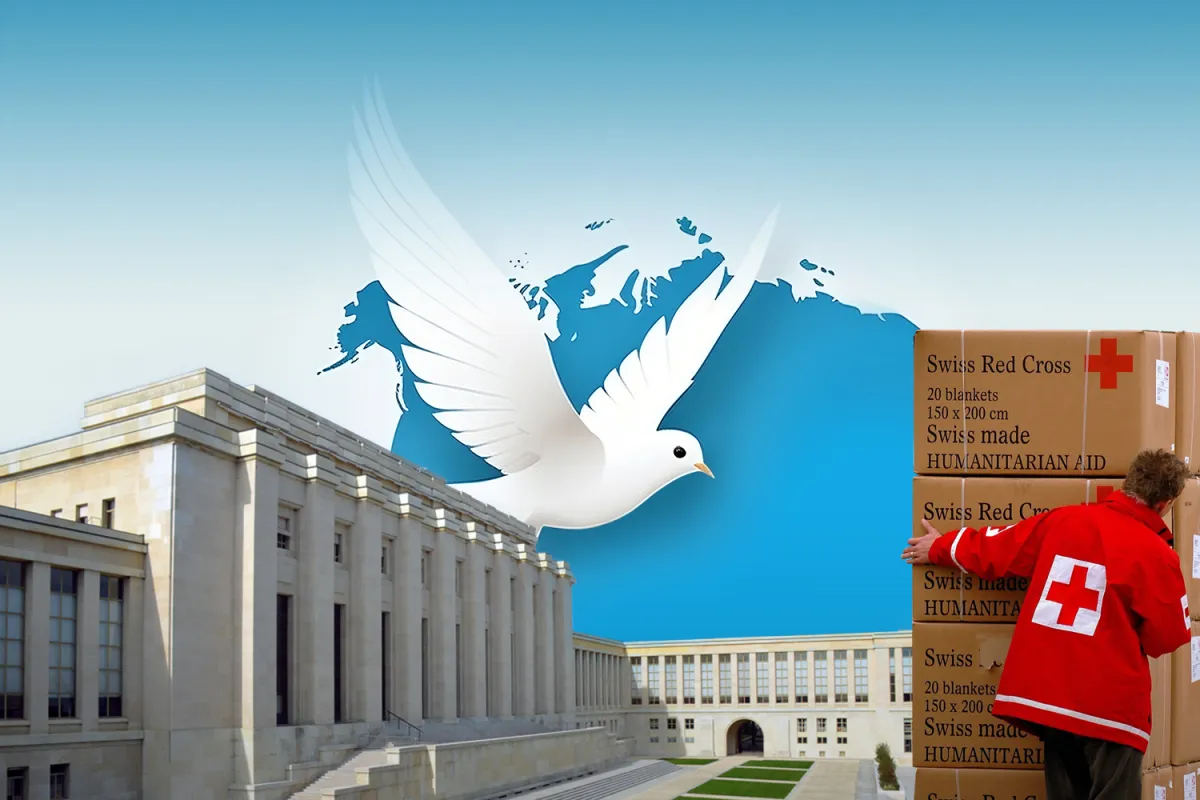
Inside Geneva: Can The UN Survive?
(MENAFN- Swissinfo)
On Inside Geneva this week, we ask: in a world of violent conflict, is the UN – which was founded to keep the peace – doing its job?
This content was published on
April 14, 2026 - 10:00
2 minutes
Imogen Foulkes reports from Geneva for SWI swissinfo as well as the BBC.
-
More from this aut
-
Apple PodcastsExternal link
SpotifyExternal link
Amazon MusicExternal link
Podcast IndexExternal link
OvercastExternal link
YouTubeExternal link
iHeartRadioExternal link
PandoraExternal link
Podcast AddictExternal link
CastroExternal link
CastboxExternal link
PodchaserExternal link
Pocket CastsExternal link
Listen NotesExternal link
Player FMExternal link
GoodpodsExternal link
True FansExternal link
Buzzsprout RSS Feed External l
“On many fronts the UN is doing indispensable work every day, bringing food to hungry people and ensuring practical standards for how we cooperate on the planet. Most countries follow the UN's rules and principles on an everyday basis, so not too bad. [Former UN Secretary-General] Dag Hammarskjöld said that the UN was not made to take us to heaven, but to prevent us from going to hell, and that's still true: after 1945 there have been no new world wars,” says Norwegian Foreign Minister Espen Barth Eide.
But with the big powers causing conflict, does the UN need a different structure?
“It's worth remembering that when the UN Charter was adopted in 1945, 50 countries were present at the table, and today there are 193 member states. So almost three‐quarters of the UN's membership have not had a say in the rules of the game that they are now bound by, and they are very frustrated by that lack of voice and representation,” says Heba Aly, director of Article 109, which mobilises political and public support for invoking Article 109 and holding a UN Charter Review Conference.
Can a new, reformed UN restore some peace in the world before it's too late?
“History shows that after every severe crisis we come together and try to create a better system, which is what happened after the two world wars. First we had the not‐so‐successful attempt of the League of Nations, but then the much more successful UN, learning from what had gone wrong with the League of Nations. I hope we don't need to relearn this through a third world war or anything like that,” says Eide.
“For the UN overall, I think it's going to go through a very difficult and dark period. You know, sometimes you just have to hit rock bottom. I hope that, coming out of that, we can emerge with a new global social contract. And if that difficult period leads us to something better, then that is something worth fighting for,” says Aly.
Join host Imogen Foulkes on Inside Geneva.
Find out more about the 'Inside Geneva' podcast and our other Swiss podcasts in English here.
Subscribe below to the 'Inside Geneva' newsletter to make sure you never miss a new episode.
External Content Your subscription could not be saved. Please try again. Almost finished... We need to confirm your email address. To complete the subscription process, please click the link in the email we just sent you. Inside Geneva: international affairs from the world's humanitarian capitalOur newsletter offers a unique insight into what is happening in International Geneva: What debates are taking center stage? How can the UN impact world affairs and what are NGO's saying?
Bi-monthly
The SBC Privacy Policy provides additional information on how your data is processed.
I consent to the use of my data for the SWI swissinfo newsletter.
Popular Stories Most DiscussedIn compliance with the JTI standards
More: SWI swissinfo certified by the Journalism Trust Initiati
You can find an overview of ongoing debates with our journalists here. Please join us!
If you want to start a conversation about a topic raised in this article or want to report factual errors, email us at ....

Legal Disclaimer:
MENAFN provides the
information “as is” without warranty of any kind. We do not accept
any responsibility or liability for the accuracy, content, images,
videos, licenses, completeness, legality, or reliability of the information
contained in this article. If you have any complaints or copyright
issues related to this article, kindly contact the provider above.
Most popular stories
Market Research

More Story




Comments
No comment