




403
Sorry!!
Error! We're sorry, but the page you were looking for doesn't exist.
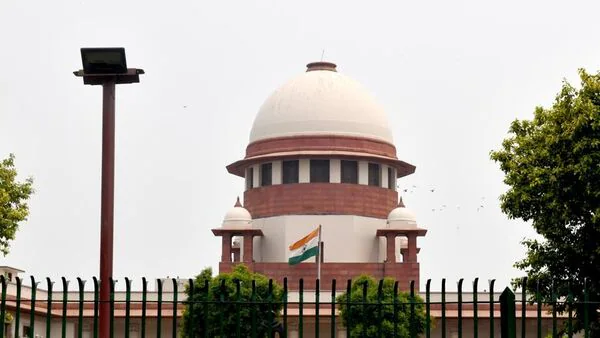
Supreme Court Issues Notice To ECI, Centre On Plea For Biometric, Facial Recognition For Voting
(MENAFN- Live Mint) The Supreme Court on Monday agreed to examine a contentious proposal seeking the introduction of biometric authentication and facial recognition systems in India's voting process, issuing notice to the Central government and the Election Commission of India (ECI) on a public interest litigation that could reshape the mechanics of electoral verification.
The case, which touches upon electoral integrity, privacy and administrative feasibility, is likely to trigger a broader national debate on the role of technology in democratic processes.
Supreme Court Issues Notice on Biometric Voting PleaA Bench comprising Chief Justice of India Surya Kant and Justice Joymalya Bagchi sought responses from the Centre and the ECI, signalling that the judiciary is prepared to scrutinise the constitutional and operational dimensions of the proposal.
Also Read | ₹12-crore stock scam: SC AOR warns of rising fraud tacticThe petition, filed by advocate and BJP leader Ashwini Kumar Upadhyay, urges the implementation of fingerprint and iris-based biometric systems, alongside facial recognition, at polling stations to curb electoral malpractices such as duplicate voting and impersonation.
Bench Flags Legal Hurdles and Financial Burden of Facial Recognition SystemDuring the hearing, the court acknowledged that introducing biometric verification nationwide would require significant amendments to existing electoral rules and legal frameworks. It also noted that such an undertaking would entail a substantial financial commitment from the exchequer.
The scale of infrastructure required - spanning millions of voters and polling booths - was implicitly recognised as a key challenge in operationalising the proposal.
Court Initially Reluctant, Asks Petitioner to Approach Election CommissionThe Bench initially expressed reservations about intervening at this stage, suggesting that the petitioner should first engage with the Election Commission.
“ECI needs to give us a reply and if State does not help or finance ministry does not pass budget then again we can be approached. But issuing notice at this stage is not needed,” Bar and Bench quoted the Supreme Court judges.
Upadhyay, appearing in person, stressed that the proposal would require coordination with State governments.
"I am not on the ongoing five State elections," Upadhyay said.
No Impact on Ongoing Elections, Proposal for Future Polls Under ReviewClarifying its stance, the apex court made it clear that the proposed measures would not apply to elections currently underway.
"However, whether such a recourse deserves to be followed before the next parliamentary election and/or state assembly elections needs to be examined. Issue notice," the bench said.
Also Read | Supreme Court issues notice to Centre to get cows off India's highwaysIn a related observation, the court added: "The prayers cannot be considered for the upcoming elections. But whether such a recourse deserves to be followed for next parliamentary elections or State polls needs to be examined. Issue notice."
Centre and ECI Asked to Respond on Electoral Reform ProposalThe issuance of notice formally brings the Centre and the ECI into the proceedings, with their responses expected to address the feasibility, legality and administrative implications of biometric voter verification.
The plea argues that the absence of robust identification mechanisms continues to affect the“purity and integrity of the electoral process”, citing concerns such as impersonation and duplicate voting.
Biometric Voting Debate: Electoral Integrity vs Privacy ConcernsThe proposal has reignited debate over the balance between electoral security and individual privacy. While proponents contend that biometric authentication could significantly reduce electoral fraud, critics warn of risks linked to large-scale data collection, surveillance and potential misuse of sensitive personal information.
Also Read | Supreme Court issues notice to Centre to get cows off India's highways Implementation Hinges on State CooperationThe petitioner informed the apex court that any nationwide rollout would depend heavily on cooperation from State governments, underlining the federal nature of election administration in India.

Legal Disclaimer:
MENAFN provides the
information “as is” without warranty of any kind. We do not accept
any responsibility or liability for the accuracy, content, images,
videos, licenses, completeness, legality, or reliability of the information
contained in this article. If you have any complaints or copyright
issues related to this article, kindly contact the provider above.
Most popular stories
Market Research

More Story






Comments
No comment