




403
Sorry!!
Error! We're sorry, but the page you were looking for doesn't exist.
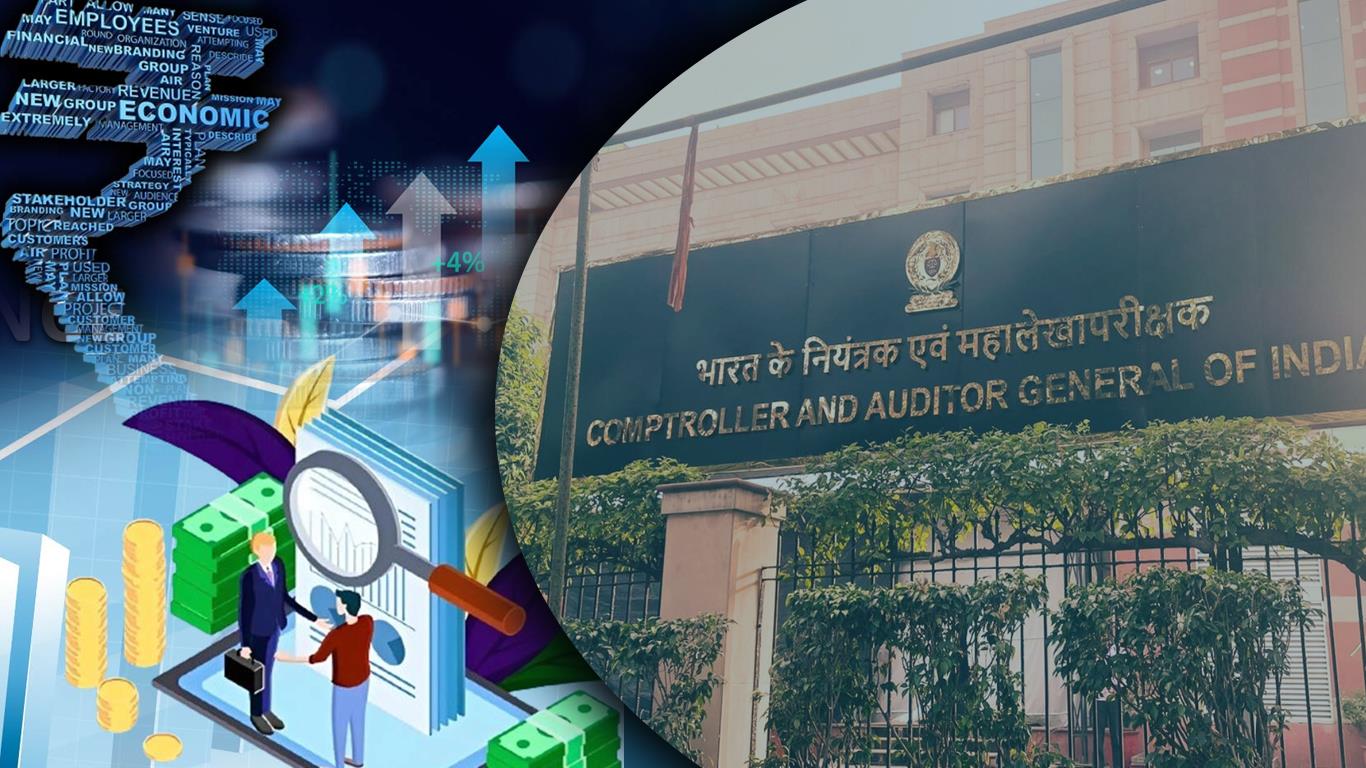
CAG State Finances Report Highlights Uneven Revenue Growth Across India
(MENAFN- KNN India)
New Delhi, Apr 6 (KNN) The latest 'State Finances 2023–24' report by the Comptroller and Auditor General of India reveals a growing divergence in state revenues, underscoring that fiscal performance in the post-GST era depends not just on tax collections but on broader revenue strategies.
Mixed Revenue Trends Across States
At the aggregate level, states' combined revenues grew by a modest 2 percent in real terms in 2023–24. However, the broader picture shows significant variations. The strong performers include Bihar, Gujarat, Madhya Pradesh, Uttar Pradesh (6 percent+ growth). The declining states include Karnataka, Rajasthan, West Bengal and near stagnation state is Maharashtra.
The report highlights that this divergence reflects how effectively states are adapting to the post-GST fiscal framework, reported The Economic Times.
GST Boosts Tax Buoyancy, But Uneven Gains
Data indicates that the Goods and Services Tax (GST) has strengthened state tax performance with the share of State GST (SGST) in State Own Tax Revenue (SOTR) rising from 41 percent in 2018–19 to 43 percent in 2023–24.
Average SOTR growth increased from 9.5 percent (pre-GST) to 11.7 percent (post-GST). SGST collections grew at an average 13 percent annually
Improved compliance, digitisation, and formalisation have expanded the effective tax base, boosting revenue buoyancy.
Non-Tax Revenue Emerges as Weak Link
Despite GST gains, the report stresses that fiscal strength depends on more than tax collections. States showing weaker performance share a common issue: declining non-tax revenue (NTR).
NTR includes dividends from state public sector enterprises, royalties from natural resources and user charges and land-based revenues. A sustained decline in this segment points to structural weaknesses in asset monetisation and revenue management.
Karnataka witnessed high fiscal self-reliance with 70 percent own tax revenue share but declining overall revenue due to weak NTR and asset monetisation.
In Rajasthan & West Bengal, there was lower tax base, falling NTR, and higher dependence on central transfers. Uttar Pradesh emerged as a strong performer through diversified revenue streams beyond GST.
In states like West Bengal, a high reliance on SGST, around 45 percent of own tax revenue, coexists with a weak overall tax base, indicating deeper structural inefficiencies.
Key Takeaway
The report concludes that while GST has improved tax buoyancy, it cannot replace sound fiscal management. States that strengthen non-tax revenues, monetise public assets effectively, maintain a competitive business environment and reduce reliance on central transfers are better positioned to achieve long-term fiscal stability and autonomy.
The post-GST fiscal landscape is no longer defined by uniform gains. Instead, it reflects a clear divide between states that are adapting strategically and those that are not, making revenue diversification and governance reforms critical going forward.
(KNN Bureau)

Legal Disclaimer:
MENAFN provides the
information “as is” without warranty of any kind. We do not accept
any responsibility or liability for the accuracy, content, images,
videos, licenses, completeness, legality, or reliability of the information
contained in this article. If you have any complaints or copyright
issues related to this article, kindly contact the provider above.
Most popular stories
Market Research

More Story




Comments
No comment