




403
Sorry!!
Error! We're sorry, but the page you were looking for doesn't exist.
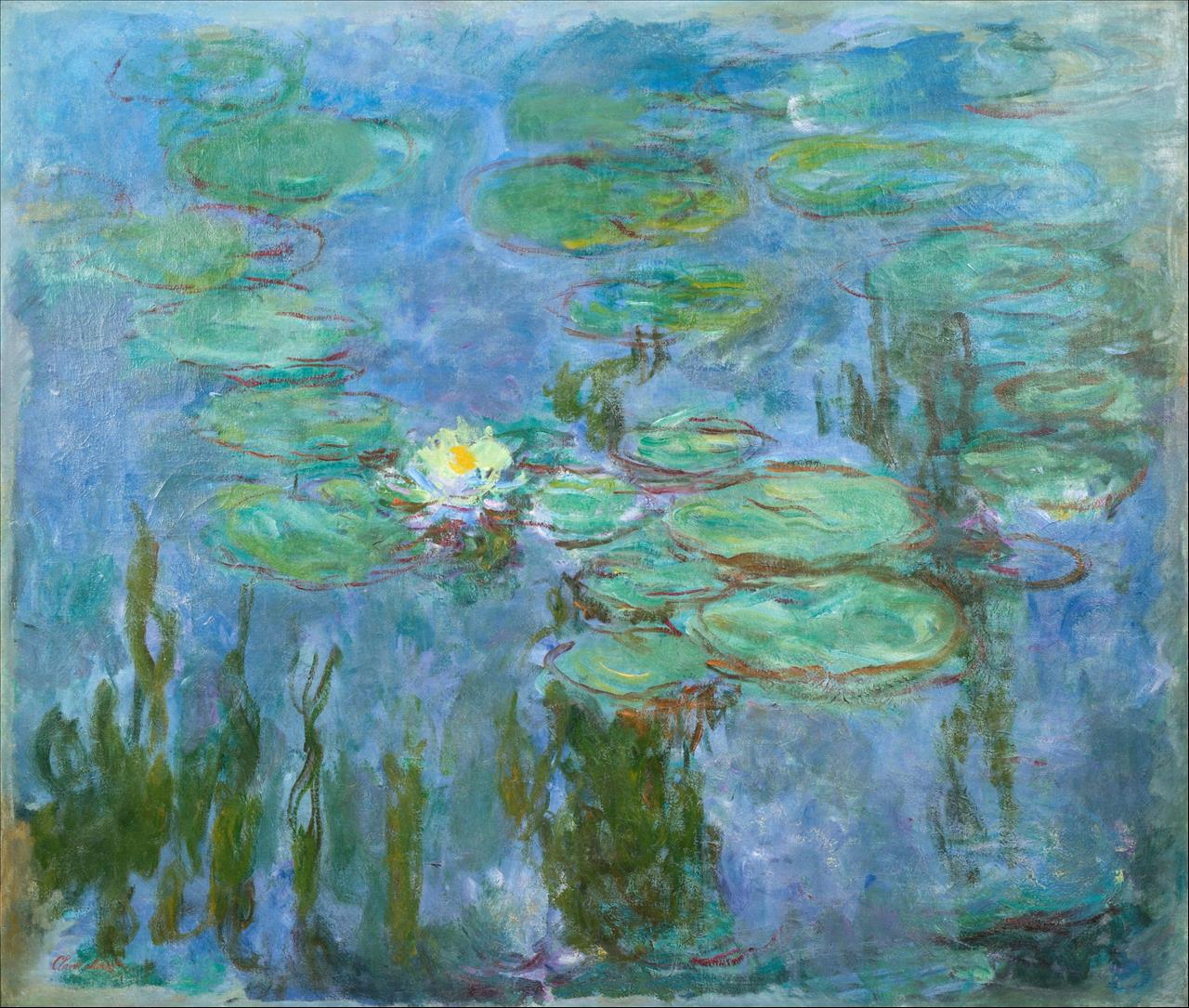
Blue Shields Placed At 34 Archaeological Sites In Lebanon
(MENAFN- USA Art News)
Lebanon Marks 34 Archaeological Sites With Blue Shields as Fighting Threatens Cultural Heritage
Lebanon is turning to one of the most recognizable symbols in cultural-heritage protection: the blue shield. The Lebanese Culture Ministry announced Sunday that the emblem has been placed at 34 archaeological sites across the country, signaling that they are protected cultural property under international law as Israeli air and ground assaults escalate.
Culture Minister Ghassan Salameh, speaking to Lebanon's National News Agency, framed the move as a practical step toward compliance with the 1954 Hague Convention, the cornerstone treaty requiring the safeguarding of monuments, artworks, and other cultural property during armed conflict.“The ministry did not stand idly by,” Salameh said, adding that he appealed directly to UNESCO Director-General Khaled Anani on the first day of the conflict to press all parties to respect the convention.
The blue shield emblem, used internationally to identify protected cultural sites, is intended to make those locations legible in the fog of war. Salameh said the markers were installed so that“the enemy will be aware of them and respect the convention.”
Lebanon's current effort also echoes an earlier push for heightened safeguards. In 2014, 34 historic sites received“enhanced protection” from UNESCO shortly after an Israeli airstrike near Baalbek, the ancient city in the eastern Bekaa Valley whose Roman temple complex is listed on the UNESCO World Heritage List. That decision was taken at an emergency session of the Committee for the Protection of Cultural Property in the Event of Armed Conflict, attended by Lebanon's UNESCO adviser.
Salameh noted, however, that several Lebanese cultural sites remain outside UNESCO's protection frameworks, underscoring the uneven coverage that can leave significant places vulnerable even when international mechanisms exist.
The announcement comes amid a wider US–Israel–Iran conflict that, according to the report, has spilled into southern Lebanon following a Hezbollah-led aerial strike on Israel. The fallout has already touched cultural infrastructure. Damage has been reported at the Al-Bass archaeological site in Tyre, and 11 public libraries across Lebanon have been affected, with three completely destroyed and about 10 partially damaged.
UNESCO has indicated it is already working to reduce the risk of further losses. Earlier this month, a spokesperson said the agency had communicated to all parties the geographic coordinates of sites on the World Heritage List, as well as those considered nationally significant, in an effort to help prevent potential damage.
For Lebanon, the blue shields are both a warning and a plea: a visible reminder that cultural heritage is not collateral, and that the legal obligations designed to protect it are meant to hold even when the surrounding landscape is defined by escalation.

Legal Disclaimer:
MENAFN provides the
information “as is” without warranty of any kind. We do not accept
any responsibility or liability for the accuracy, content, images,
videos, licenses, completeness, legality, or reliability of the information
contained in this article. If you have any complaints or copyright
issues related to this article, kindly contact the provider above.
Most popular stories
Market Research

More Story






Comments
No comment