



403
Sorry!!
Error! We're sorry, but the page you were looking for doesn't exist.
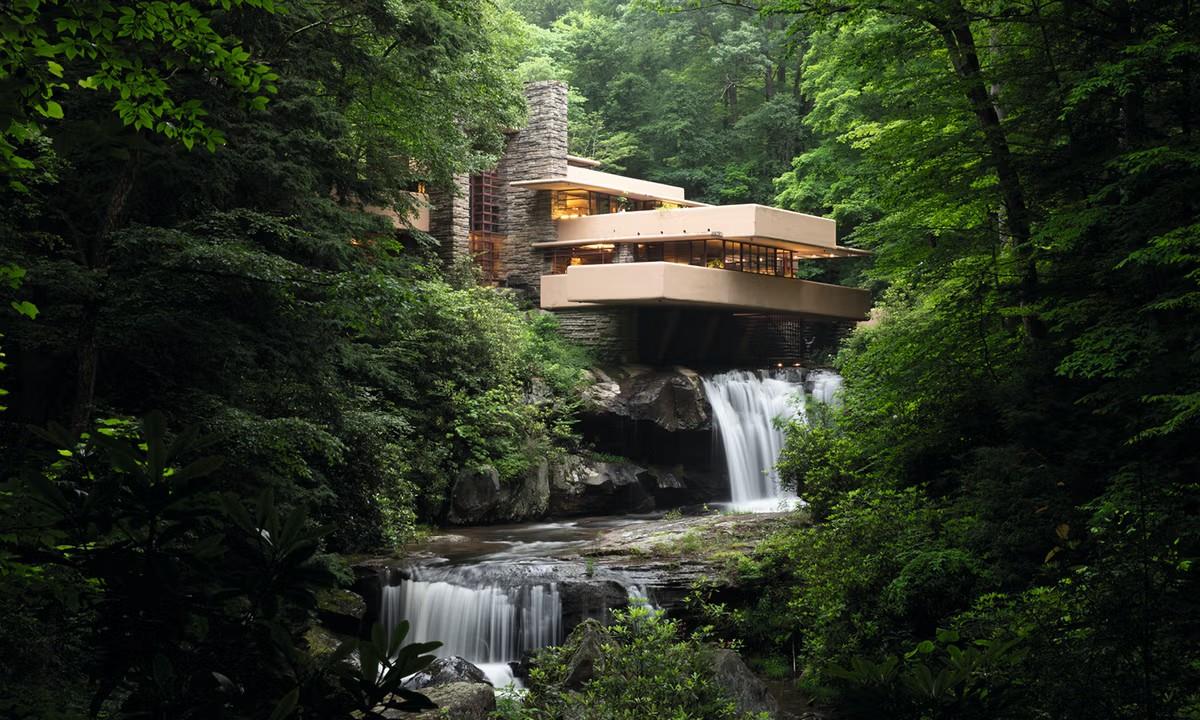
Water Torture: Fallingwater's Endemic Leaking Problems Finally Come To An End The Art Newspaper International Art News And Events
(MENAFN- USA Art News)
Fallingwater Nears the Finish Line on a $7 Million Conservation Campaign Designed to Disappear
At Fallingwater, Frank Lloyd Wright's most mythic house, the most consequential work is the kind you are not meant to notice. After three years of conservation aimed at stopping chronic leaks and stabilizing long-standing engineering vulnerabilities, the Western Pennsylvania Conservancy (WPC) says its $7 million project is scheduled to wrap in April - with no visible changes to the exterior of the 1939 landmark.
The house, built as a weekend retreat for Pittsburgh department store owner Edgar J. Kaufmann and his family, famously straddles a 30-foot waterfall in rural southwestern Pennsylvania. Nearly 140,000 visitors a year come for the vertiginous terraces and the sensation of living inside the woods. But the same intimacy with weather, water, and seasonal movement that makes Fallingwater so affecting has also made it unusually demanding to maintain.
WPC, which owns and operates the site, has focused the latest campaign on problems that conservators describe as endemic - and not necessarily caused by the waterfall itself. Investigations found persistent leaking throughout the building and evidence that the cantilevers were built with insufficient reinforcing steel, contributing to sagging over time.
Much of the work has been technical, targeted, and intentionally discreet. Conservators replaced waterproofing assemblies and addressed roofs, exterior walls, terraces, windows, and doors, aiming to improve performance without altering Wright's carefully calibrated surfaces and proportions. Among the more unusual interventions was liquid grout injection: about 12 tons of grout were forced into cracks in the walls to help prevent water infiltration.
Justin Gunther, vice president of the Western Pennsylvania Conservancy and director of Fallingwater, has framed the effort as both a practical repair campaign and a longer conversation about what it means to steward Modern architecture in an era of accelerating environmental change. Preserving the building, he has suggested, requires holding two scales in mind at once: the existential question of what the site's landscape might become in 50 or 100 years, and the painstaking decisions that keep water out of a seam or stabilize a vulnerable plane.
That tension is embedded in Fallingwater's original premise. In a 1935 letter to the Kaufmann family, Wright urged them to treat the house as a way of relating to the natural world:“I want you to live with the waterfall, not just to look at it, but for it to become an integral part of your lives.” The building's power still lies in that sensory immersion - the sound of water, the smell of the forest, the shifting light across stone and concrete.
Since 2019, Fallingwater has carried the additional weight of being a UNESCO World Heritage Site, part of the designation granted to a group of Wright buildings recognized for their“outstanding value to humanity.” WPC has said the UNESCO status helped it raise the funds required for conservation at this scale.
For Gunther, the goal is not to freeze the house in time, but to keep it legible - and relevant - as both an icon of the American Modern movement and a provocation about how architecture might coexist with nature. If the surrounding forest changes, or the climate reshapes the site's ecology, Fallingwater's future may depend on the same principle guiding the current work: small, rigorous acts of care that allow the larger dialogue between building and landscape to continue.

Legal Disclaimer:
MENAFN provides the
information “as is” without warranty of any kind. We do not accept
any responsibility or liability for the accuracy, content, images,
videos, licenses, completeness, legality, or reliability of the information
contained in this article. If you have any complaints or copyright
issues related to this article, kindly contact the provider above.
Most popular stories
Market Research

More Story






Comments
No comment