

403
Sorry!!
Error! We're sorry, but the page you were looking for doesn't exist.
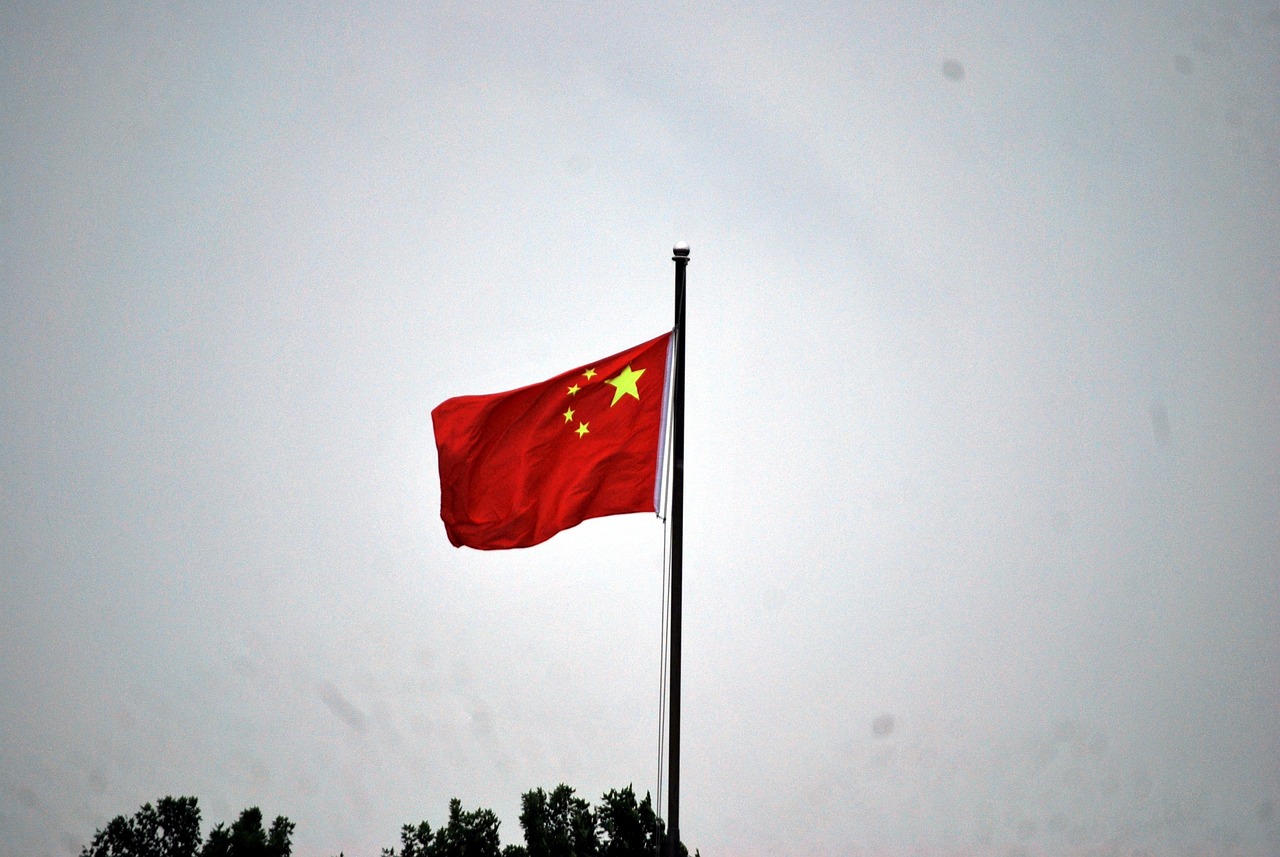
China Warns of Global Energy Impact from Hormuz Blockade


(MENAFN) China emphasized on Monday that the ongoing blockade of the Strait of Hormuz is affecting international energy routes, restating its demand for an immediate end to the military conflict in the Middle East.
“The recent tensions in the Strait of Hormuz and adjacent waters impacted the route of international goods and energy, damaged regional and global peace and stability,” Foreign Ministry spokesman Lin Jian said in response to reports.
He reiterated Beijing's call for all parties to halt military escalation as the Middle East conflict enters its third week. Lin urged the belligerents to avoid further escalation, “and prevent regional turbulence from dealing a larger impact on global economic look.”
“We are in communication on the situation with all sides,” he added.
Since February 28, when Israel and the US launched joint attacks on Iran, roughly 1,300 people have been killed, including then-Supreme Leader Ayatollah Ali Khamenei, as stated in reports.
In retaliation, Tehran has carried out drone and missile strikes targeting Israel, Jordan, Iraq, and Gulf nations hosting US military assets, while effectively closing the Strait of Hormuz since early March, causing global oil prices to surge.
Amid the ongoing conflict, Chinese Foreign Minister Wang Yi has engaged in discussions with senior diplomats from several Middle Eastern countries, including Iran and Israel, urging a cessation of hostilities. Beijing has opposed the joint US-Israel attacks but has also called on Tehran to consider the “reasonable concerns” of its neighboring states.
“The recent tensions in the Strait of Hormuz and adjacent waters impacted the route of international goods and energy, damaged regional and global peace and stability,” Foreign Ministry spokesman Lin Jian said in response to reports.
He reiterated Beijing's call for all parties to halt military escalation as the Middle East conflict enters its third week. Lin urged the belligerents to avoid further escalation, “and prevent regional turbulence from dealing a larger impact on global economic look.”
“We are in communication on the situation with all sides,” he added.
Since February 28, when Israel and the US launched joint attacks on Iran, roughly 1,300 people have been killed, including then-Supreme Leader Ayatollah Ali Khamenei, as stated in reports.
In retaliation, Tehran has carried out drone and missile strikes targeting Israel, Jordan, Iraq, and Gulf nations hosting US military assets, while effectively closing the Strait of Hormuz since early March, causing global oil prices to surge.
Amid the ongoing conflict, Chinese Foreign Minister Wang Yi has engaged in discussions with senior diplomats from several Middle Eastern countries, including Iran and Israel, urging a cessation of hostilities. Beijing has opposed the joint US-Israel attacks but has also called on Tehran to consider the “reasonable concerns” of its neighboring states.

Legal Disclaimer:
MENAFN provides the
information “as is” without warranty of any kind. We do not accept any
responsibility or liability for the accuracy, content, images, videos,
licenses, completeness, legality, or reliability of the information
contained in this article. If you have any complaints or copyright issues
related to this article, kindly contact the provider above.
Comments
No comment