(MENAFN- Amman Net) Key Insights from the Initial 11 Days Significant Military Strikes: U.S. and Israeli forces have executed thousands of strikes, severely damaging Iran's nuclear facilities, ballistic missile production, and air defense systems." />Unraveling Trump's Iran War: 11 Days In, What's Achieved? | موقع عمان نت تجاوز إلى المحتوى الرئيس البث المباشر موقع عمان نت الموقع الرسمي لراديو البلد
Main navigation أخبار تقارير مقالات تحقيقات فيديو راديو البلد مشاريع نشاطات ومقابلات بودكاست عمان نت لايت English
أدخل بعض الكلمات المفتاحية. موجز راديو البلد وزير الصحة الدكتور إبراهيم البدور يقول إن مستشفيات وزارة الصحة أجرت 182 حالة قسطرة قلبية عاجلة وطارئة خلال الفترة من 1 إلى 28 شباط 2026 المنطقة العسكرية الشرقية تحبط فجر الثلاثاء على واجهتها، اربع محاولات تهريب كمية كبيرة من المواد المخدرة محملة بواسطة بالونات موجهة إلكترونياً وزير العمل خالد البكار، يحذر من أن إبقاء الضمان الاجتماعي على وضعه الحالي يعني الوصول إلى حالة العجز عن الايفاء بالالتزامات في العام 2050 مجلس إدارة الاتحاد الأردني لكرة القدم، يوافق على توصية لجنة المشتريات الخاصة بعطاء تقنية حكم الفيديو المساعد (VAR)، لتشغيل التقنية مع انطلاق الموسم المقبل وزير الخارجية الإيراني، عباس عراقجي، يقول الثلاثاء، إن بلاده مستعدة لمواصلة الهجمات الصاروخية "طالما كان ذلك ضروريا"، مستبعدا إجراء أي محادثات بعد تصريح الرئيس الأميركي دونالد ترامب بأن الحرب مع إيران ستنتهي "قريبا" قوات الاحتلال الإسرائيلي، تواصل إغلاق المسجد الأقصى لليوم الحادي عشر على التوالي، بحجة الأوضاع الأمنية المرتبطة بحرب إيران الاحتلال الاسرائيلي ينفذ الثلاثاء غارة على مبنى قرب مدينة صور في جنوب لبنان ترتفع درجات الحرارة قليلاً الثلاثاء، ويكون الطقس باردا نسبيًا في أغلب المناطق، ودافئا نسبيًا في الأغوار والبحر الميت والعقبة × أدخل بعض الكلمات المفتاحية. Unraveling Trump's Iran War: 11 Days In, What's Achieved?

03/10/2026 - 11:12 Amman net Key Insights from the Initial 11 Days Significant Military Strikes: U.S. and Israeli forces have executed thousands of strikes, severely damaging Iran's nuclear facilities, ballistic missile production, and air defense systems. Shifting Objectives: The stated goals have evolved from degrading Iran's military capabilities to preventing nuclear threats and regional aggression, ultimately culminating in demands for "unconditional surrender" and calls for regime change. Uncertain Endgame: Despite military successes, Iran's regime remains intact, and the broader strategic objectives, particularly regime change, are far from achieved, leading to regional escalation and global economic instability.
After 11 days of the U.S.-led military campaign against Iran, initiated on February 28, 2026, President Donald Trump has made various pronouncements regarding the conflict's progress. While military actions have been substantial and tactically successful in certain areas, a definitive achievement of all stated objectives remains elusive, largely due to shifting goals, Iran's resilience, and the conflict's escalating regional and global ramifications.
The Initial Offensive: A Barrage of Strikes
The conflict commenced with a concentrated effort to neutralize Iran's key military and nuclear infrastructure. Early reports indicate that U.S. and Israeli forces conducted nearly 900 strikes within the first 12 hours alone, targeting critical sites across Iran, including Tehran, Isfahan, Qom, Karaj, and Kermanshah. These operations aimed to:
Dismantle Iran's nuclear facilities, building on previous strikes from 2025. Cripple its ballistic missile production capabilities. Severely degrade its air defense systems. Disrupt its command-and-control, intelligence, and missile sites.
President Trump declared the war "very complete" and that the U.S. was "very far ahead" of its initial projected timeline, highlighting the reported destruction of over 50 Iranian naval ships and significant damage to its missile and drone programs. U.S. officials claimed success in dismantling Iran's ability to project power abroad, with over 5,000 targets reportedly struck.
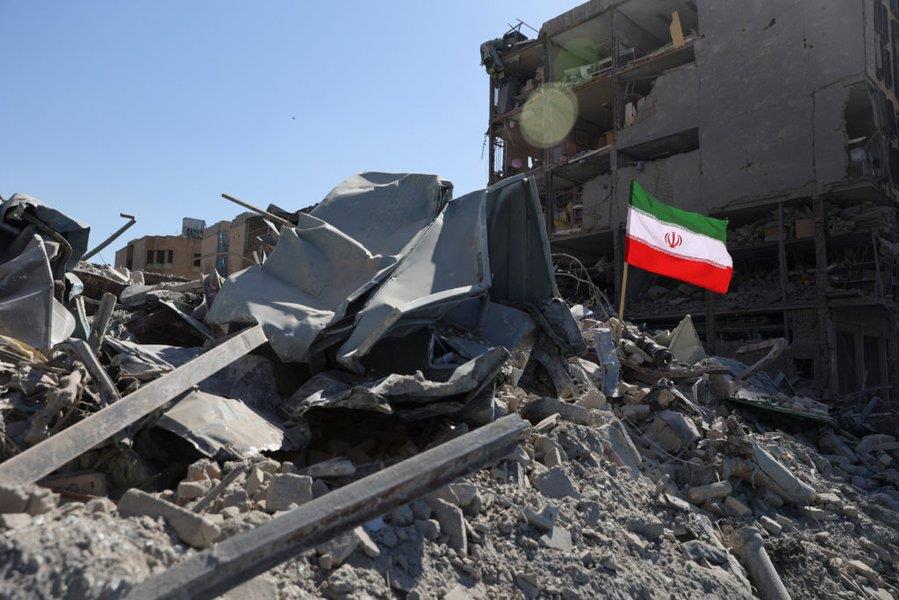
Iranian drones have been used in retaliatory strikes, signaling the conflict's regional expansion.
Evolving War Objectives: A Moving TargetOne of the most defining characteristics of the initial 11 days has been the fluid nature of the war's stated objectives. Initially, the goals revolved around degrading specific military capabilities. However, these aims quickly expanded:
From Capability Degradation to "Unconditional Surrender"The primary objectives initially focused on limiting Iran's regional power projection and destroying its missile and naval threats. However, Trump's rhetoric soon escalated to demands for "unconditional surrender" from Iran. This shift suggests a move beyond merely containing Iranian military power to potentially forcing a complete capitulation or even regime change.
The Ambiguity of Regime ChangeWhile the administration has indicated a desire for "regime change without U.S. boots on the ground," relying on precision strikes to foster domestic unrest, the ultimate political objective remains ambiguous. Experts caution that air campaigns alone are unlikely to topple a government, and the continued existence of the Iranian regime, despite significant military damage, highlights this challenge.
Despite the substantial military damage inflicted, Iran's leadership structure remains in place. On March 8, 2026, a leadership transition to Mojtaba Khamenei was announced, indicating the regime's continued functionality rather than collapse. Iran has also demonstrated its ability to retaliate, escalating the conflict regionally:
Strikes have been launched against Israel and U.S. bases in Gulf countries. The closure of the Strait of Hormuz by Iran has severely impacted global oil and gas prices.

This bar chart illustrates the perceived impact of the initial 11 days across various dimensions. While U.S. military dominance is high, Iranian retaliatory capacity is still significant. Regional stability has severely declined, and the global economic impact is substantial, while prospects for a political resolution remain low.
Global Turmoil
The conflict has rapidly escalated beyond a direct confrontation with Iran, involving other regional actors and causing significant global economic disruptions.
Regional SpilloverIran's retaliation against Israel and U.S. bases has transformed the conflict into a broader regional struggle. This escalation introduces unpredictable dynamics and risks further destabilization in an already volatile Middle East.
Economic FalloutThe closure of the Strait of Hormuz, a critical chokepoint for global oil supplies, has led to soaring oil and gas prices. This economic turmoil adds pressure ahead of U.S. midterms and highlights the far-reaching consequences of the conflict.

The image shows the complex geopolitical landscape surrounding the Iran conflict, emphasizing the economic and strategic stakes.
Conflicting Narratives and Uncertain FutureThe administration's messaging has been inconsistent, with President Trump suggesting the war is nearing its end while also stating that the U.S. has not "won enough" yet. This conflicting narrative underscores the uncertainty surrounding the conflict's duration and ultimate resolution.
The "Very Complete" War vs. Ongoing ConflictTrump's declarations of a "very complete" war contrast with the reality of ongoing military operations and Iran's continued resistance. This discrepancy fuels debate among lawmakers and analysts regarding the true state of the conflict.
Humanitarian and Strategic CostsThe conflict has already resulted in U.S. casualties, with four soldiers reported killed. The broader humanitarian and strategic costs for the region and beyond are expected to grow as the conflict continues.
The Iran Conflict: 11-DaySnapshotMilitary ActionsThousands of StrikesNuclear, Missile, AirDefenseDamaged InfrastructureWar ObjectivesDegrade MilitaryCapabilitiesPrevent Nuclear Threat"UnconditionalSurrender""Regime ChangeWithout Boots"Iranian ResponseLeadership Transition(Mojtaba Khamenei)Strikes on Israel & US BasesStrait of Hormuz ClosureGlobal ConsequencesWider Middle East ConflictSoaring Oil & Gas PricesConflicting US MessagingUS Casualties (4 soldiers)Overall AssessmentSignificant Military ProgressRegime Change UnachievedOngoing Escalation & Risks
Analyzing the Military Progress and ChallengesWhile President Trump has highlighted military successes, a deeper look reveals both significant achievements and persistent challenges.
Achievements in Capability DegradationU.S. and allied forces have undeniably dealt a severe blow to Iran's military capabilities. The destruction of ballistic missile production facilities, naval assets, and air defense systems significantly reduces Iran's ability to project conventional military power. This tactical success aligns with the initial objectives of limiting Iran's immediate military threat to the region.
Challenges in Strategic GoalsHowever, the strategic goals, particularly those related to regime change or forcing "unconditional surrender," remain largely unfulfilled. Air power alone has historically proven insufficient to dismantle entrenched regimes, and Iran's leadership has shown resilience and a willingness to escalate in other domains, such as cyber warfare and proxy conflicts.
Summary of Key Developments and Assessments (March 1-10, 2026)The following table consolidates the critical developments and their assessments during the initial 11 days of the conflict:
| Aspect | Key Development (March 1-10, 2026) | Assessment of Achievement (Day 11) |
| Military Strikes | Thousands of U.S./Israeli strikes on Iran's nuclear, missile, naval, and air defense sites. | High: Significant damage inflicted on military infrastructure and capabilities. |
| Nuclear Program | Facilities severely damaged, building on previous 2025 strikes. | High: Iran's nuclear weaponization potential significantly set back. |
| Missile Capabilities | Production facilities crippled; reports of over 50 Iranian naval ships destroyed. | High: Degradation of Iran's ability to produce and deploy advanced missiles. |
| Air Defenses | Significant portions dismantled, allowing for air superiority. | High: Weakened Iranian capacity to defend its airspace. |
| Regional Power Projection | Efforts to dismantle Iran's network of proxy groups. | Moderate: Initial disruptions, but proxy networks remain active. |
| "Unconditional Surrender" | Trump's demand for full capitulation from Iran. | Low: Iran's regime remains defiant, no signs of surrender. |
| Regime Change | Aim to "topple the Islamic Republic regime" without ground troops. | Low: Leadership transition occurred, but regime structure intact. |
| Iranian Retaliation | Strikes against Israel, U.S. bases; closure of Strait of Hormuz. | High: Demonstrated capacity for regional escalation and economic disruption. |
| Global Economy | Soaring oil and gas prices due to supply chain disruptions. | Negative Impact: Significant global economic turmoil. |
| Conflict Duration | Trump: "Very complete" and "very soon" vs. "not won enough yet." | Uncertain: Conflicting messages, potential for prolonged conflict. |
The conflict's initial phase has also been characterized by a battle of narratives, with both sides presenting information designed to bolster their positions and influence public opinion. President Trump's pronouncements often emphasize swift progress and impending victory, aiming to project strength and reassure domestic audiences. Conversely, Iran's actions and statements seek to demonstrate resilience and deter further aggression. The gap between these narratives and the on-the-ground reality contributes to the uncertainty surrounding the war's true status and trajectory.



Comments
No comment