


Ugandan Advocate Honoured For Antimicrobial Resistance Fight Arabian Post


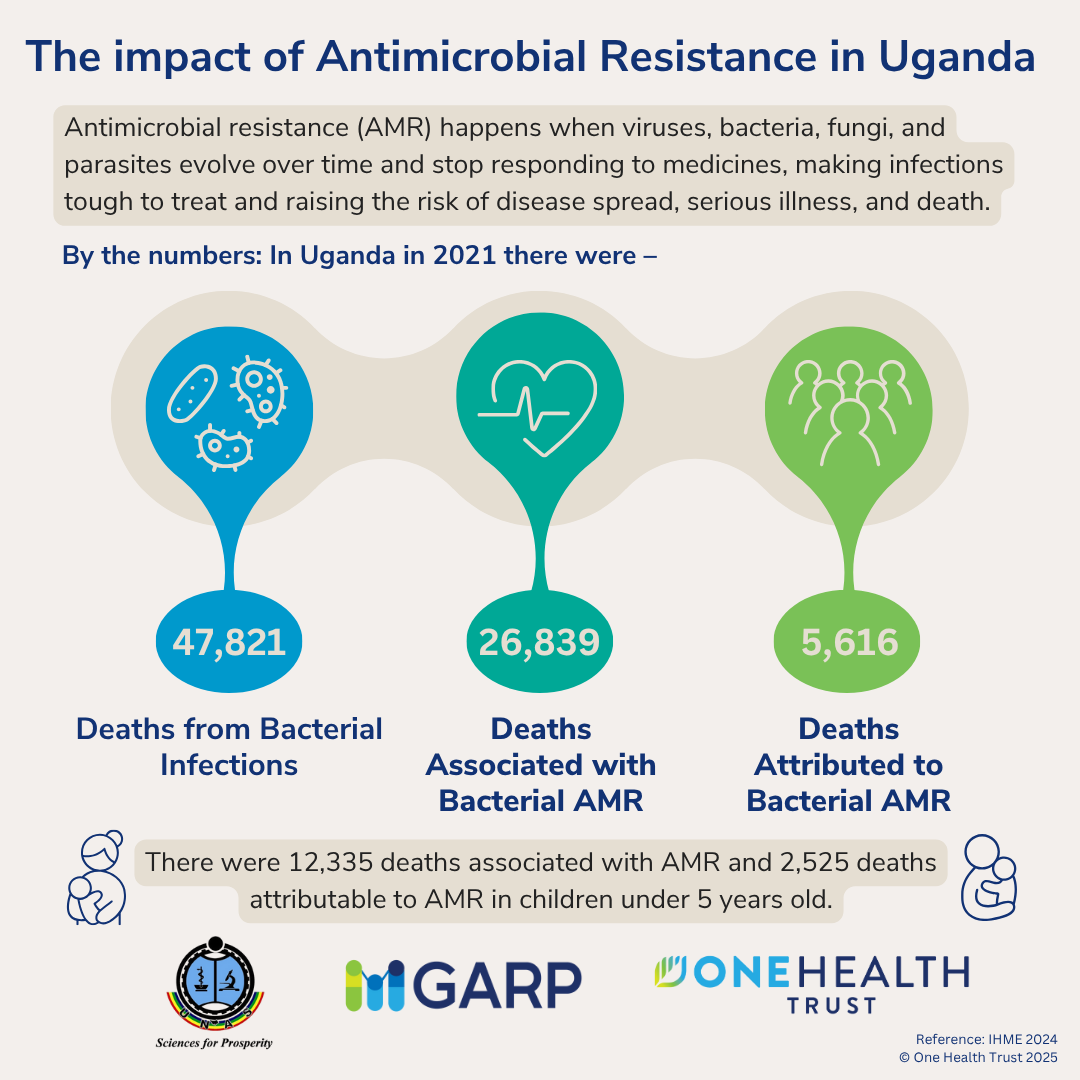
Ugandan health campaigner Regina Mariam Namata Kamoga has been named among eight Global Female Trailblazers recognised for efforts to confront antimicrobial resistance, a growing public health challenge that threatens the effectiveness of modern medicine worldwide.
Kamoga, a community health advocate and founder of the Centre for Antimicrobial Resistance Solutions, received the international recognition for her work promoting awareness of responsible antibiotic use and strengthening patient voices in the fight against drug-resistant infections. The distinction places her among a small group of women leaders working across continents to tackle antimicrobial resistance, commonly referred to as AMR, which health experts describe as one of the most pressing medical threats of the century.
Antimicrobial resistance occurs when bacteria, viruses, fungi and parasites evolve in ways that render medicines ineffective. The phenomenon has accelerated due to the overuse and misuse of antibiotics in human health, livestock farming and agriculture. Global health authorities warn that drug-resistant infections already cause hundreds of thousands of deaths each year and could lead to millions annually in the coming decades if unchecked.
Kamoga's recognition highlights the increasing role of grassroots advocates in shaping the international response to the crisis. Working with community organisations and health professionals in Uganda and across Africa, she has focused on raising awareness among patients about the dangers of inappropriate antibiotic use and encouraging health systems to adopt stronger stewardship practices.
Through the organisation she founded, Kamoga has helped develop community education campaigns aimed at both healthcare workers and the public. These initiatives promote responsible prescribing, discourage the sale of antibiotics without proper medical guidance and emphasise the importance of completing prescribed treatments. Her work also seeks to empower patients and caregivers to question unnecessary antibiotic use and understand how resistance develops.
See also Stronger capital lifts Nigerian banks outlookGlobal health institutions have increasingly emphasised the importance of community engagement in the fight against antimicrobial resistance. While laboratory research and pharmaceutical development remain essential, experts say public understanding and behavioural change are equally important to slow the spread of resistant pathogens.
Recognition of Kamoga's work reflects this shift toward broader public participation. Advocates argue that patients, caregivers and community leaders often provide critical insights into how medicines are used in everyday settings, particularly in regions where healthcare systems face resource constraints.
Across many parts of Africa, antibiotics can sometimes be purchased without prescriptions, while limited access to diagnostic testing complicates treatment decisions for clinicians. These conditions contribute to misuse of antimicrobial medicines and increase the risk that resistant strains will spread.
Kamoga has been active in international advocacy networks that promote stronger policies to address these issues. Her work has included participation in global health forums where civil society groups collaborate with researchers and policymakers to develop strategies for combating antimicrobial resistance.
Efforts to control the spread of resistant microbes require coordinated action across multiple sectors, including healthcare, agriculture, environmental management and pharmaceutical development. Health specialists often describe this integrated approach as the“One Health” framework, recognising that human health is closely connected to animal health and environmental conditions.
Uganda has taken steps in line with global recommendations to address antimicrobial resistance. National authorities have developed action plans aimed at improving surveillance of resistant infections, strengthening infection prevention in hospitals and regulating the use of antibiotics in both human and veterinary medicine.
See also African start-ups secure $174mn in JanuaryAdvocates say community engagement remains vital to ensure such policies translate into practical changes. Public awareness campaigns, training programmes for healthcare workers and improved access to diagnostic tools are among measures widely recommended by health specialists.
Kamoga's advocacy has also highlighted the economic dimensions of antimicrobial resistance. Resistant infections often require longer hospital stays and more expensive treatments, placing additional pressure on healthcare systems and households. In low- and middle-income countries, these burdens can be particularly severe.
International agencies have warned that unchecked antimicrobial resistance could undermine decades of progress in global health. Routine medical procedures such as surgery, childbirth and cancer therapy depend heavily on effective antibiotics to prevent infections. Without reliable treatments, the risks associated with these procedures could increase significantly.
Pharmaceutical research aimed at developing new antimicrobial medicines has struggled to keep pace with the emergence of resistant pathogens. Drug development is costly and time-consuming, while financial incentives for companies remain limited compared with other therapeutic areas.
This reality has intensified calls for stronger stewardship of existing medicines. Public health campaigns stress that antibiotics should only be used when medically necessary and prescribed by qualified professionals.
Recognition of advocates such as Kamoga reflects growing international support for community-driven initiatives in this area. Civil society groups have increasingly played a role in bridging the gap between policymakers, researchers and patients.
Notice an issue? Arabian Post strives to deliver the most accurate and reliable information to its readers. If you believe you have identified an error or inconsistency in this article, please don't hesitate to contact our editorial team at editor[at]thearabianpost[dot]com. We are committed to promptly addressing any concerns and ensuring the highest level of journalistic integrity.

Legal Disclaimer:
MENAFN provides the
information “as is” without warranty of any kind. We do not accept
any responsibility or liability for the accuracy, content, images,
videos, licenses, completeness, legality, or reliability of the information
contained in this article. If you have any complaints or copyright
issues related to this article, kindly contact the provider above.


Comments
No comment