


Iranian Attacks On Gulf States: 9 Key Takeaways From GCC Meeting


- PUBLISHED: Mon 2 Mar 2026, 10:59 AM
- By: Sahim Salim
source on Google
- Share:
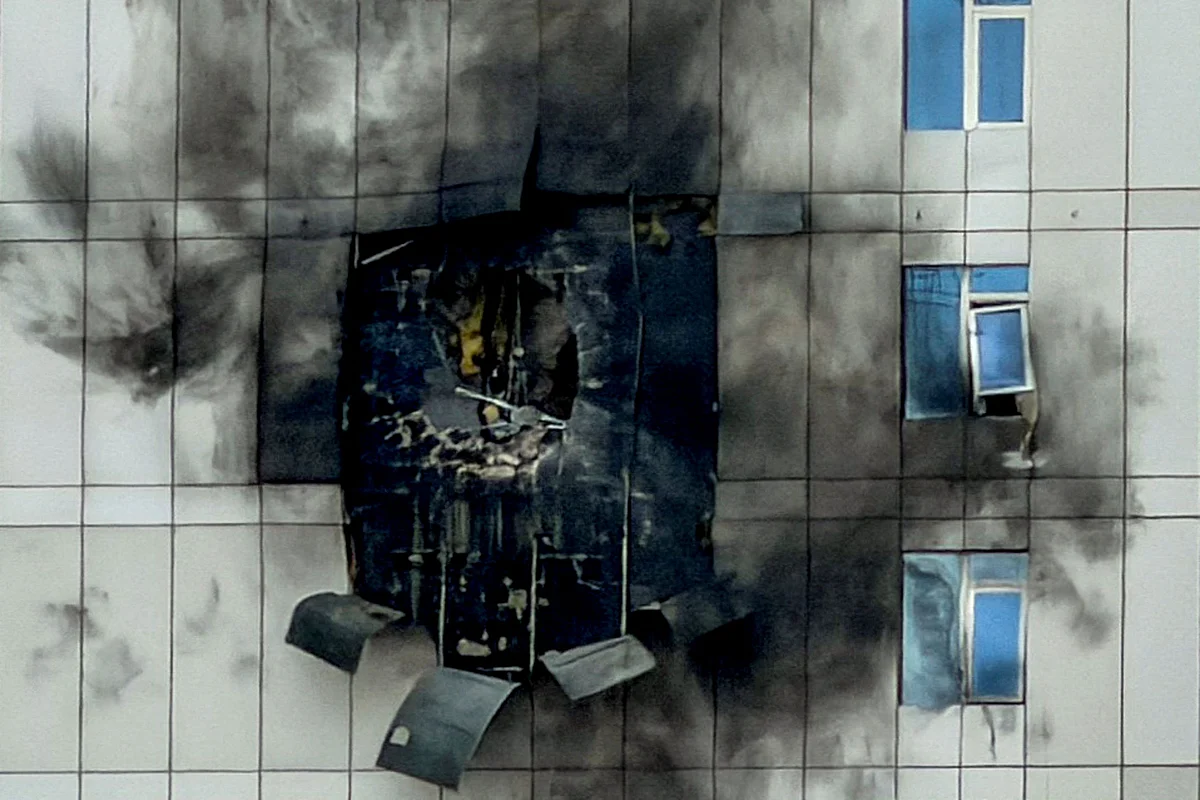
Despite repeated diplomatic efforts to prevent escalation, and explicit assurances that their territories would not be used to launch attacks, Iran targeted Gulf Cooperation Council (GCC) states, striking civilian and residential facilities.
At its extraordinary Ministerial Council meeting on Sunday, the Gulf bloc condemned the Iranian missile and drone attacks against the UAE, Bahrain, Saudi Arabia, Oman, Qatar and Kuwait, describing them as“treacherous”.
Recommended For You 3 killed, 58 injured as UAE intercepts 165 ballistic missiles, 541 Iranian drones GCC condemns brutal Iranian attack on Duqm Port and oil tanker off the coast of OmanHere are the key outcomes and positions outlined by the council:
1. Civilian damage reviewedThe Council reviewed what it described as extensive material damage resulting from missile and drone attacks. It said civilian facilities, service sites and residential areas were targeted, threatening the safety of citizens and residents and spreading fear among the population.
2. Strong condemnationMinisters condemned in the strongest terms the attacks against GCC member states and Jordan. They described the strikes as unjustified and characterised them as serious violations of sovereignty, the principles of good neighbourliness and international law, including the UN Charter.
3. 'An attack on one is an attack on all'The Council reaffirmed full solidarity among member states, stressing that the security of GCC countries is indivisible. It underscored that any attack against one member state constitutes a direct attack against all, in line with the GCC Charter and the Joint Defence Agreement.
4. Right to self-defenceThe ministers affirmed that GCC countries reserve their legal right to respond in accordance with Article 51 of the United Nations Charter, which guarantees the right of individual and collective self-defence in the event of aggression.
5. Armed forces commendedThe Council praised the efficiency, professionalism and high readiness of the armed forces and air defence systems across member states. It said successful interceptions of missiles and drones helped neutralise threats and protect lives, facilities and vital assets.
6. Necessary measures authorisedIn light of what it described as unjustified aggression, the Council said member states would take all necessary measures to defend their security, stability and sovereignty, including the option of responding to the attacks.
7. Immediate halt urgedThe Council underscored the need for an immediate cessation of military operations to restore security, peace and stability across the region.
8. UN and global action soughtMinisters called on the international community to condemn the attacks and urged the United Nations Security Council to assume its responsibilities by taking a firm and immediate stance to prevent further violations and safeguard regional and international peace.
9. Dialogue remains keyDespite the escalation, the Council reiterated that dialogue and diplomacy remain the only sustainable path to resolving the crisis. It noted that GCC states have consistently advocated negotiations with Iran and warned that further escalation could have dangerous and far-reaching consequences for regional and global stability.

Legal Disclaimer:
MENAFN provides the
information “as is” without warranty of any kind. We do not accept
any responsibility or liability for the accuracy, content, images,
videos, licenses, completeness, legality, or reliability of the information
contained in this article. If you have any complaints or copyright
issues related to this article, kindly contact the provider above.


Comments
No comment