




403
Sorry!!
Error! We're sorry, but the page you were looking for doesn't exist.
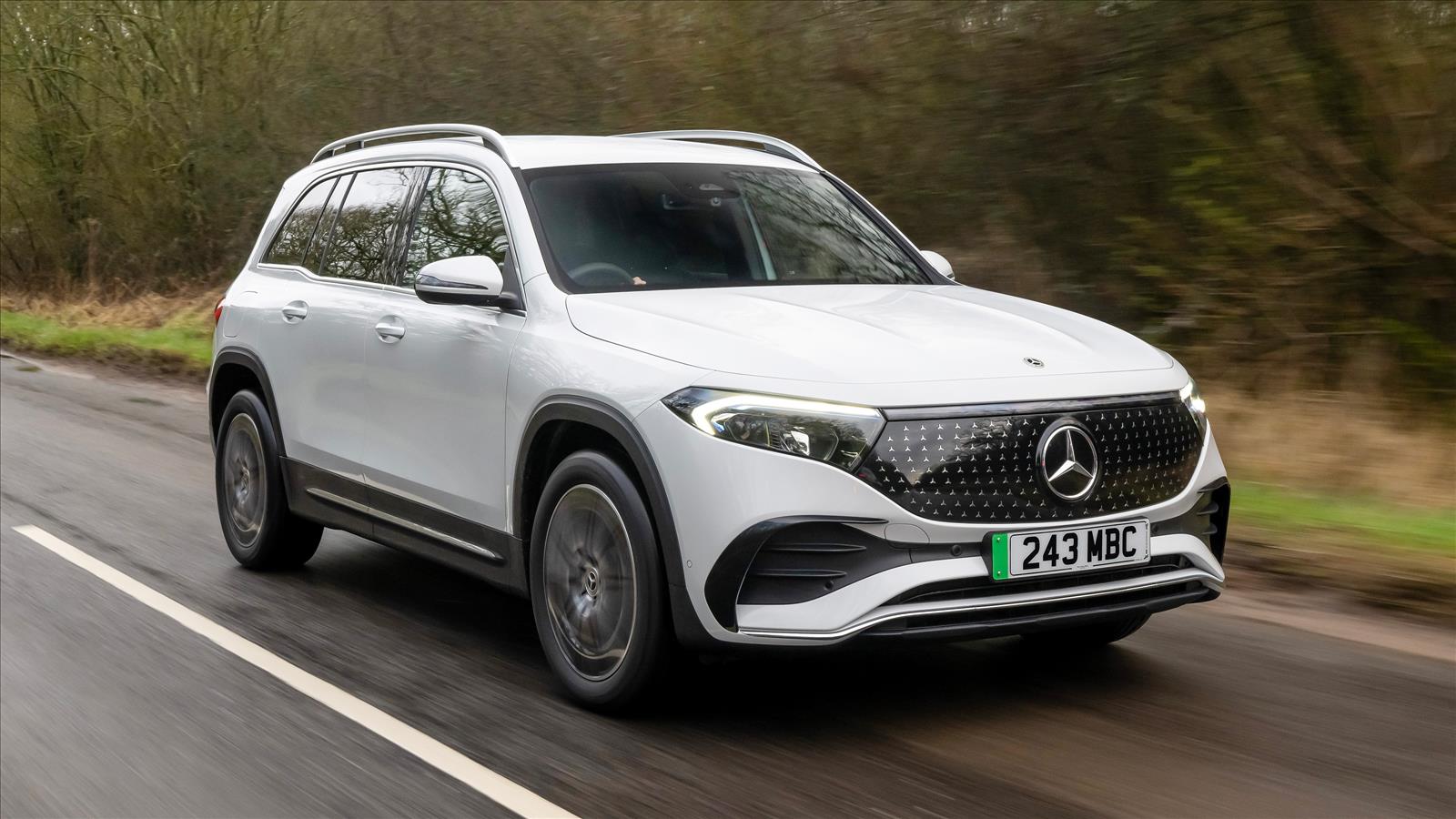
Mercedes EQB Models Face Fire Risk Recall
(MENAFN- The Arabian Post)
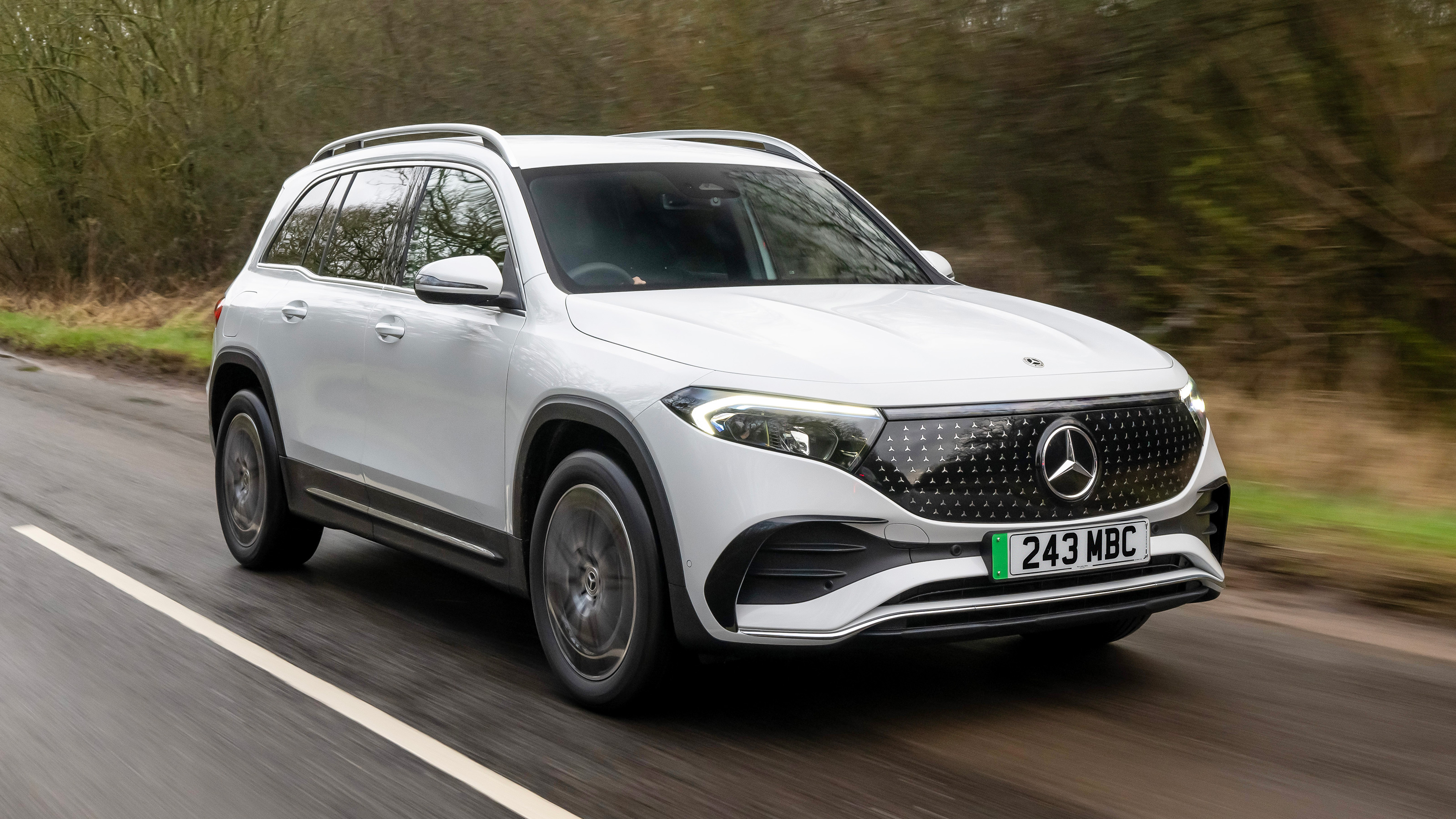
Mercedes-Benz USA has recalled nearly 12,000 electric sport utility vehicles in the United States after identifying a defect in high-voltage battery cells that could trigger a fire, either while driving or when parked.
The recall covers 11,895 EQB vehicles across three variants: 1,708 EQB 350 4Matic models from the 2022 to 2024 model years, 3,674 EQB 250+ units from 2023 and 2024, and 6,513 EQB 300 4Matic vehicles spanning 2022 to 2024. The action was disclosed in a safety filing with the National Highway Traffic Safety Administration, which warned that an internal short circuit within the battery pack could lead to thermal events.
Mercedes-Benz USA said it had received two reports of vehicle fires in the United States linked to faulty battery cells. No injuries or fatalities have been reported in connection with the incidents. The company indicated that variations in the manufacturing process of certain battery cells may result in increased risk of an internal short circuit, which in turn could cause overheating and potentially ignite surrounding components.
The EQB is part of the German manufacturer's electric vehicle portfolio under its EQ sub-brand and is built on a compact SUV platform. It has been marketed as an entry-level premium electric model, positioned to compete with rivals from Tesla, BMW and Audi in the rapidly expanding electric SUV segment.
According to the safety notice, affected vehicles may experience a battery malfunction that could lead to a fire during operation or even when the vehicle is stationary and switched off. Owners are expected to be notified and advised on interim safety measures until a permanent remedy is available. Dealers will inspect and, if necessary, replace the affected battery modules.
See also Rare snow alignment blankets US Northeast corridorThe recall comes at a time when scrutiny of electric vehicle battery safety has intensified globally. Lithium-ion battery packs, which power most electric vehicles, contain large amounts of stored energy. Manufacturing inconsistencies, contamination or structural defects within cells can lead to short circuits, triggering thermal runaway - a chain reaction in which rising temperatures feed further heat generation.
Industry analysts note that while such incidents remain statistically rare compared with the total number of electric vehicles on the road, each high-profile case can affect consumer confidence. Fire risks have previously prompted recalls across the sector, including actions by General Motors over Chevrolet Bolt models and by Hyundai Motor over certain Kona Electric vehicles, both linked to battery cell defects supplied by third-party manufacturers.
Mercedes-Benz has not publicly identified the supplier of the affected battery cells in the EQB recall. Many global automakers rely on specialist battery manufacturers in Asia and Europe for cell production, while assembling packs in-house or at joint venture facilities. Variations in cell production, particularly in coating, separator integrity or electrolyte filling, can create microscopic flaws that manifest later under charging stress or temperature fluctuations.
Electric vehicle sales in the United States have grown steadily over the past three years, supported by federal incentives and expanding charging infrastructure. Data from industry groups show that battery electric vehicles account for a rising share of new car registrations, though growth has moderated in some markets amid higher interest rates and concerns about charging availability.
Safety regulators have maintained close oversight of high-voltage battery systems as adoption widens. The National Highway Traffic Safety Administration has issued multiple investigations and recall notices over battery-related risks in electric and hybrid vehicles. Automakers are required to file detailed reports outlining the defect, the population of affected vehicles and the planned corrective measures.
See also US equities surge as market value swells sharplyMercedes-Benz has invested heavily in electrification as part of its strategy to transition towards a more sustainable product line. The company has pledged to offer an all-electric option in every segment and has committed billions of euros to battery technology and production capacity. It has also expanded research into next-generation solid-state batteries and improved thermal management systems aimed at enhancing both range and safety.
Market observers say recalls, while costly and potentially damaging to brand perception, are also a reflection of increasingly rigorous quality control and regulatory transparency. Manufacturers are under pressure to respond swiftly when potential safety risks emerge, particularly in technologies that remain relatively new to many consumers.
Owners of the affected EQB models are advised to monitor official communications from Mercedes-Benz USA and to contact authorised dealers for further instructions. In similar cases across the industry, interim software updates or charging limitations have sometimes been implemented pending hardware replacement.
Notice an issue? Arabian Post strives to deliver the most accurate and reliable information to its readers. If you believe you have identified an error or inconsistency in this article, please don't hesitate to contact our editorial team at editor[at]thearabianpost[dot]com. We are committed to promptly addressing any concerns and ensuring the highest level of journalistic integrity.

Legal Disclaimer:
MENAFN provides the
information “as is” without warranty of any kind. We do not accept
any responsibility or liability for the accuracy, content, images,
videos, licenses, completeness, legality, or reliability of the information
contained in this article. If you have any complaints or copyright
issues related to this article, kindly contact the provider above.
Most popular stories
Market Research

More Story







Comments
No comment