


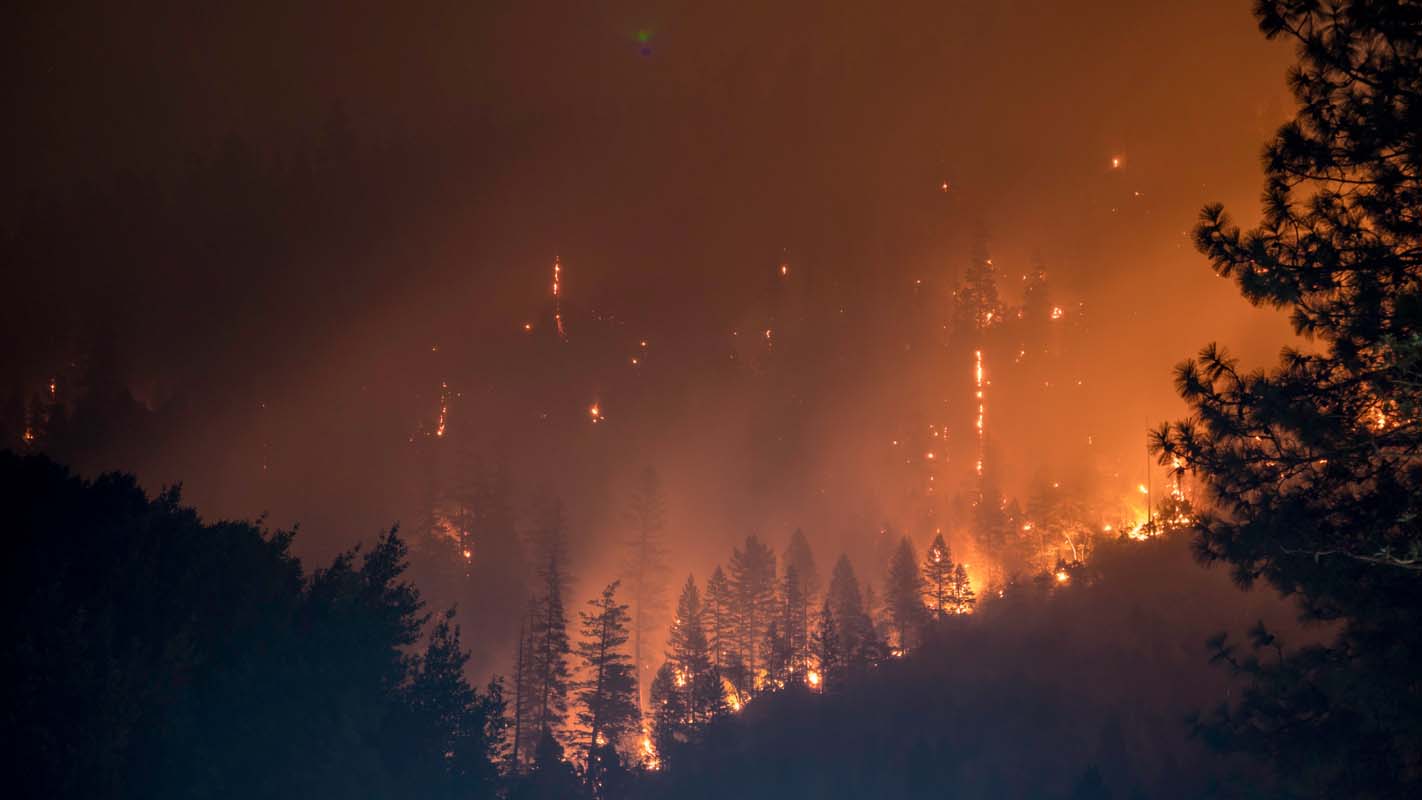
Study Links Fire in Patagonia, Chile to Climate Change


(MENAFN) Human-driven climate change has created conditions that intensified wildfires across Argentina's Patagonia region and central-southern Chile, researchers have found.
The World Weather Attribution (WWA) initiative, known for rapidly assessing how climate change affects extreme weather events, conducted a detailed study on the recent fires in both regions.
To evaluate the role of human-induced climate change, scientists analyzed drought patterns and weather conditions leading up to the blazes. They found that both areas experienced unusually dry conditions and sharply reduced rainfall prior to the fires, leaving the landscape highly vulnerable to fire.
"The observed changes in the region's climate models showed a strong link to climate change," the researchers reported.
The study further noted that in a world 1.3°C (34.4°F) cooler, the likelihood of such fire-friendly conditions would have been significantly lower.
The Intergovernmental Panel on Climate Change (IPCC) has previously emphasized that climate change, combined with human activity, is increasingly shaping wildfire patterns. "In the future, changing climate conditions are expected to increase both the risk and severity of wildfires," the IPCC warned in its special report on 'Climate Change and Land.'
The World Weather Attribution (WWA) initiative, known for rapidly assessing how climate change affects extreme weather events, conducted a detailed study on the recent fires in both regions.
To evaluate the role of human-induced climate change, scientists analyzed drought patterns and weather conditions leading up to the blazes. They found that both areas experienced unusually dry conditions and sharply reduced rainfall prior to the fires, leaving the landscape highly vulnerable to fire.
"The observed changes in the region's climate models showed a strong link to climate change," the researchers reported.
The study further noted that in a world 1.3°C (34.4°F) cooler, the likelihood of such fire-friendly conditions would have been significantly lower.
The Intergovernmental Panel on Climate Change (IPCC) has previously emphasized that climate change, combined with human activity, is increasingly shaping wildfire patterns. "In the future, changing climate conditions are expected to increase both the risk and severity of wildfires," the IPCC warned in its special report on 'Climate Change and Land.'

Legal Disclaimer:
MENAFN provides the
information “as is” without warranty of any kind. We do not accept
any responsibility or liability for the accuracy, content, images,
videos, licenses, completeness, legality, or reliability of the information
contained in this article. If you have any complaints or copyright
issues related to this article, kindly contact the provider above.


Comments
No comment