


23 Tons Of Pork Recalled Across The Midwest - Check Your Freezer


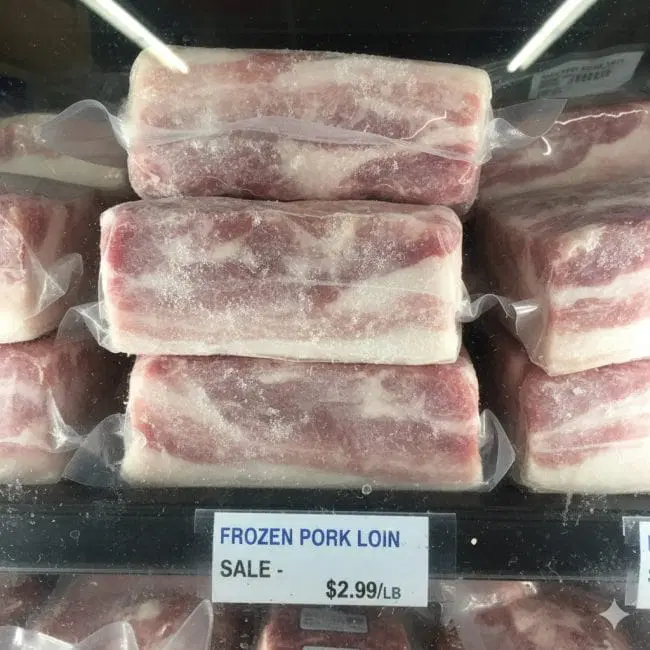
Mays Chemical Company initiated the recall after importing the pork loins from Puerto Rico. Under federal law, the Food Safety and Inspection Service must reinspect all imported meat before public sale. However, these 46,315 pounds of pork somehow bypassed that critical safeguard. This means the USDA cannot verify if the meat contains diseases or contaminants.
Furthermore, the USDA classifies this as a“Class I” risk. This represents the highest level of recall priority. It indicates a reasonable probability that eating the meat could cause serious health consequences. Without that official stamp of approval, your pork loin remains a total mystery. Ultimately, the importer bypassed the very system designed to protect our food supply.
States and Distribution Channels AffectedAlthough the product originated in Puerto Rico, wholesalers distributed the meat primarily across the Midwest. Affected regions include Illinois, Indiana, Iowa, and Michigan. These loins often arrived at retail locations in large, vacuum-sealed bags. Usually, these bulk packages cater to restaurant use or large-scale retail.
Additionally, many local butcher counters may have sliced or repackaged these loins into smaller cuts. This practice makes the meat much harder to identify on the shelf. If you purchased bulk pork recently without a clear inspection mark, proceed with extreme caution. On the other hand, you should look for specific establishment numbers. Check your labels for“M279A” or“EST. 17596” and verify them against the FSIS website immediately.
Protect Your Health: Action StepsFood safety allows no room for compromise. Therefore, if you find recalled pork in your freezer, do not cook it. High heat cannot fix a lack of inspection or potential chemical issues. Instead, wrap the meat in a separate bag and return it to the store for a full refund.
This recall serves as a stark reminder to stay vigilant about food origins. You should not let a supply chain error put your family at risk. Thus, you must stay informed and check every label carefully. Trust your instincts; if the packaging looks unofficial, it likely is.
Have you seen any unbranded or suspicious meat in your local grocery store lately? Share your experiences in the comments below.

Legal Disclaimer:
MENAFN provides the
information “as is” without warranty of any kind. We do not accept any
responsibility or liability for the accuracy, content, images, videos,
licenses, completeness, legality, or reliability of the information
contained in this article. If you have any complaints or copyright issues
related to this article, kindly contact the provider above.


Comments
No comment