







403
Sorry!!
Error! We're sorry, but the page you were looking for doesn't exist.
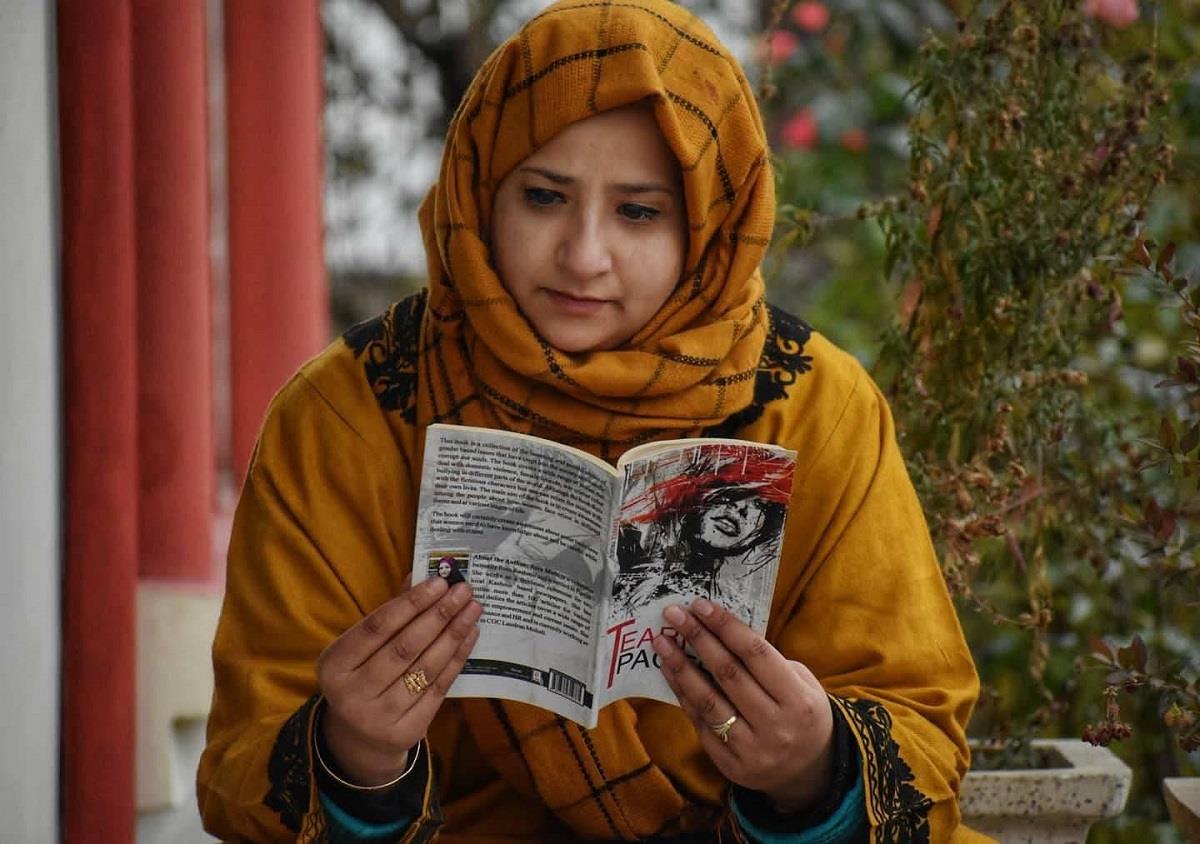
An Agri Expert Reads Kashmir's Global Market Rise
(MENAFN- Kashmir Observer)
Dr. Azra Mufti starts from the ground up, detailing how farms, government policies, and export networks are working together to transform Kashmir's agricultural landscape.
ADVERTISEMENT
Today, global food buyers want products they can trace back to their source, with a strong regional identity and top-quality standards.
ADVERTISEMENT
Kashmir already grows many of these crops, from saffron and walnuts to honey, aromatic rice, and medicinal plants.
The focus now is on bringing everyone together, strengthening systems, and building connections that help local farmers take their produce from the farm to national and international markets.
Working with the Export Development Authority under the Ministry of Commerce and Industry, Dr. Mufti engages directly with farmers, Farmer Producer Organizations, exporters, and institutions.
Her role brings her into conversations that link village-level production with policy frameworks and global demand.
Each season involves decisions on certification, value addition, aggregation, and market access that affect incomes, enterprise, and regional growth.
Her professional journey reinforces this perspective.
With a doctorate in management and experience in entrepreneurship and skill development, she has worked with IIM Jammu on startup incubation, youth capacity building, and enterprise ecosystems. Two authored books in management and development reflect her engagement with both theory and practice.
In this interview with the Kashmir Observer, Dr. Mufti speaks on exports, women-led enterprises, youth engagement, FPO strengthening, and technology adoption, offering a clear view of Kashmir's agriculture moving toward global markets.
ADVERTISEMENTYou spend a lot of time working with farmers, exporters, and institutions through APEDA. When you step back and look at Kashmir's fields today, where do you see the biggest export opportunities that remain underused?
Kashmir's export story stretches far beyond apples and walnuts, and the strongest opportunity sits in how existing produce reaches the market.
A large share of what farmers grow still moves out in raw form, which limits income and global reach.
Value-added products such as apple concentrate, dried fruits, walnut kernels, honey, and processed vegetables already match demand patterns in Gulf countries and Europe. Many farming clusters across north and south Kashmir follow low-chemical cultivation practices, which creates a strong base for organic or residue-free certification.

Legal Disclaimer:
MENAFN provides the
information “as is” without warranty of any kind. We do not accept
any responsibility or liability for the accuracy, content, images,
videos, licenses, completeness, legality, or reliability of the information
contained in this article. If you have any complaints or copyright
issues related to this article, kindly contact the provider above.
Most popular stories
Market Research

More Story





Comments
No comment