





403
Sorry!!
Error! We're sorry, but the page you were looking for doesn't exist.
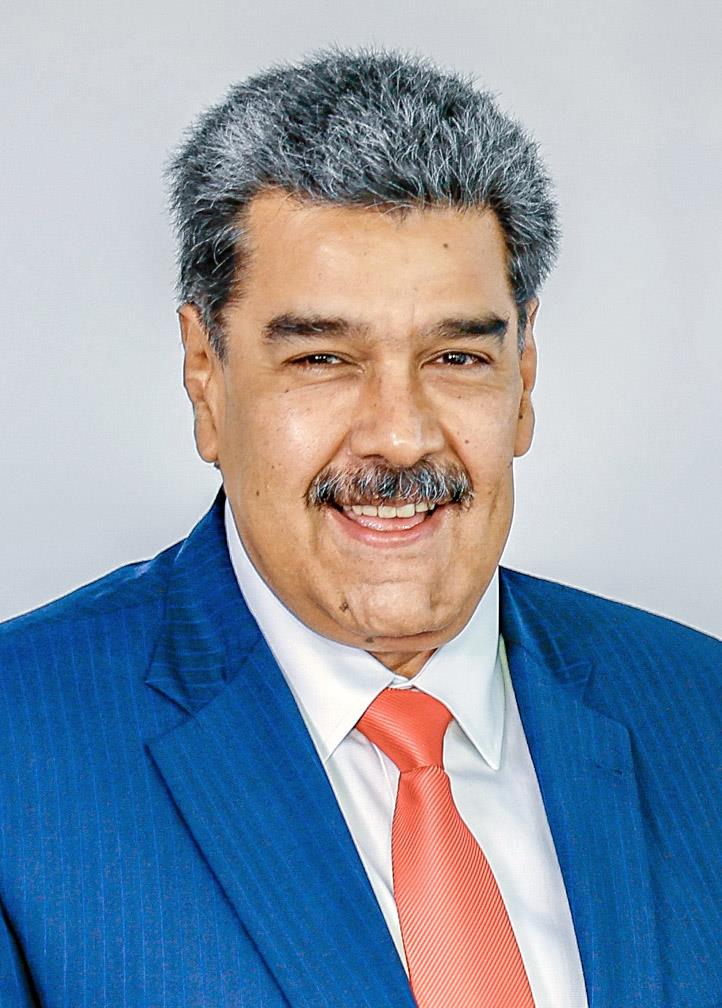
Trump Eyes Venezuela Oil After Maduro Seizure
(MENAFN- The Arabian Post)

Washington's move to detain Nicolás Maduro has sharpened the White House's focus on Venezuela's vast petroleum reserves, with President Donald Trump signalling that access to crude exports is now a strategic priority. The shift marks a harder edge in US policy towards Venezuela, but it also exposes legal, logistical and market obstacles that complicate any rapid redirection of oil flows.
The administration's intent has been framed as leverage: pressure the Caracas leadership while testing whether energy supplies can be unlocked for US refiners and allies. Officials argue that Venezuela's proven reserves, among the world's largest, could help stabilise heavy-crude supply chains strained by sanctions elsewhere. Yet translating intent into barrels faces immediate constraints, beginning with the state of Venezuela's oil sector after years of underinvestment, sanctions and operational decline.
Production capacity has recovered only modestly from a deep trough earlier in the decade. Output remains well below historic highs, hampered by ageing infrastructure, power shortages and shortages of diluents needed to move extra-heavy crude. Export terminals require maintenance, and shipping insurance remains a hurdle as compliance teams scrutinise sanctions exposure. Even with political pressure applied, ramping up volumes would take months, not weeks.
Legal barriers loom larger. US sanctions architecture is complex, with licences required for any transactions involving state entities and intermediaries. Previous limited waivers were tightly scoped, time-bound and contingent on political commitments that have since stalled. Expanding access would demand new authorisations and clear guidance to banks, traders and insurers wary of penalties. Any perception that oil access rewards coercive tactics risks court challenges and congressional scrutiny.
See also Australia's youth sidestep social media curbs on first dayMarket dynamics add another layer. Venezuelan grades are heavy and sour, suited to specific refineries configured for such feedstock. Several US plants can process it, but supply chains were reworked during the sanctions period, with refiners sourcing from Canada and the Middle East. Reversing those arrangements involves renegotiating contracts and freight routes at a time when shipping rates are volatile.
Regional politics further complicate the picture. Neighbouring producers watch closely, wary of price impacts and precedent. Allies in Europe and Latin America, some of whom favoured engagement to encourage political openings in Caracas, are cautious about abrupt policy swings that could undermine coordinated pressure. Any unilateral move risks fracturing consensus built over years.
Caracas, for its part, has responded with defiance, framing the detention of its leader as an attack on sovereignty and warning of retaliatory measures. Officials have hinted at redirecting crude to non-Western buyers, though doing so at scale would require discounts that squeeze revenue. China has historically absorbed Venezuelan barrels, but repayment terms and shipping constraints limit flexibility.
Energy analysts note that even if licences were broadened, restoring production would require technical partnerships and capital. International firms once active in joint ventures reduced exposure under sanctions. Re-engagement would hinge on contract stability, arbitration protections and clarity on profit repatriation-assurances difficult to provide amid political uncertainty.
The domestic US debate is equally fraught. Supporters of tougher action argue that oil leverage can force concessions on governance and elections. Critics counter that tying energy policy to regime change risks market whiplash and humanitarian fallout, as state revenues fund social imports. Lawmakers from both parties have called for strict conditions to ensure any oil access does not entrench repression.
See also Canadians hurt as trains collide in PeruAt the operational level, compliance officers say the thorniest issues are payment channels and cargo tracking. Even sanctioned crude that finds a buyer must navigate a thicket of due diligence checks, with vessels subject to monitoring and ports demanding paperwork. Any misstep can halt shipments mid-voyage, raising costs and deterring participation.
Notice an issue? Arabian Post strives to deliver the most accurate and reliable information to its readers. If you believe you have identified an error or inconsistency in this article, please don't hesitate to contact our editorial team at editor[at]thearabianpost[dot]com. We are committed to promptly addressing any concerns and ensuring the highest level of journalistic integrity.

Legal Disclaimer:
MENAFN provides the
information “as is” without warranty of any kind. We do not accept
any responsibility or liability for the accuracy, content, images,
videos, licenses, completeness, legality, or reliability of the information
contained in this article. If you have any complaints or copyright
issues related to this article, kindly contact the provider above.
Most popular stories
Market Research

More Story






Comments
No comment