



Store Managers Report Rising Customer Conflicts Over Price Errors



Image source: shutterstock
The“Digital Disconnect”The primary source of conflict is the digital coupon. A shelf tag shouts“$2.99 with Digital Coupon,” but the shopper misses the fine print requiring them to load the offer to their app. When the item rings up at $4.99, the customer feels deceived. Managers report spending hours every day explaining digital policy to angry shoppers who feel they are being tricked. These are not technical errors, but“user experience” errors that feel like theft to the consumer.
Electronic Shelf Label GlitchesThe rollout of Electronic Shelf Labels (ESLs) was supposed to ensure accuracy, but technology is imperfect. Managers note instances where the digital tag fails to update or goes offline, displaying an old sale price that the register no longer honors. Because there is no paper tag to pull off and verify, these disputes become“he said, she said” arguments. Shoppers are increasingly taking photos of shelf tags as evidence, creating a litigious atmosphere at the checkout lane.
Old Tags, Short Staff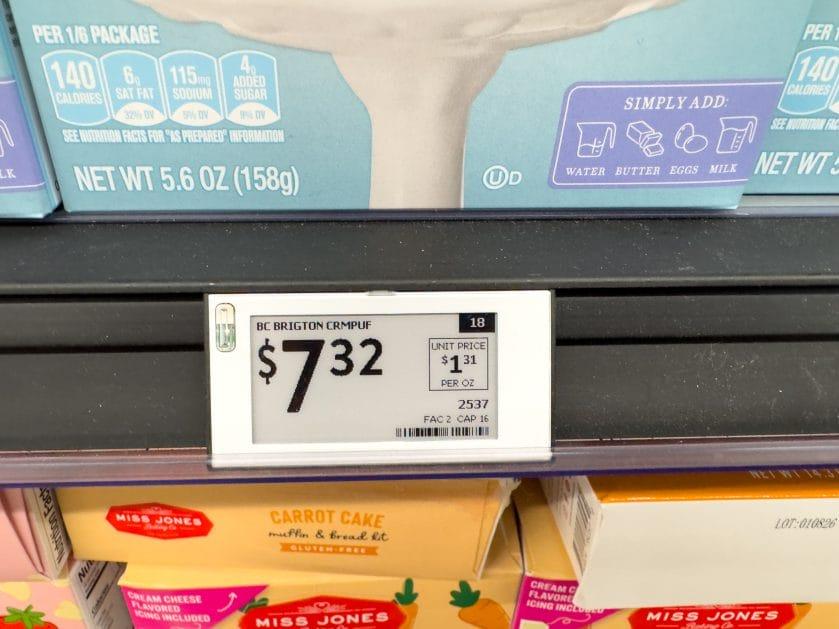
Image source: shutterstock
In stores suffering from labor shortages, old paper sale tags are often left up days after a promotion ends. This is a classic source of conflict, but in an inflationary environment, customers are less forgiving. A shopper who thought they were saving two dollars on coffee will fight tooth and nail for that discount if the tag is still up. Managers are forced to override prices constantly to keep the peace. That messes up inventory data and creates further backend problems.
The Self-Checkout StandoffSelf-checkout machines are a flashpoint for these conflicts. When a price rings up wrong, the shopper is stuck. They cannot fix it themselves, and they often have to wait for a harried attendant to clear the error. This waiting period allows frustration to build. Managers report that aggression at self-checkout areas is rising, with customers abandoning entire carts of groceries in protest over a perceived pricing error.
Shrinkflation ConfusionShoppers are also confused by product sizing. A sale sign might apply to the“12 ounce” box, but the manufacturer has recently shrunk the box to“10.5 ounces” with a different barcode. The coupon doesn't scan because the system doesn't recognize the new size as part of the sale. The customer sees the same box they always buy; the computer sees a different product. The manager is stuck in the middle, trying to explain shrinkflation to a customer who just wants their cereal deal.
A Zero-Tolerance RealityIn response to the rising tension, many stores are empowering cashiers to override small price discrepancies under ten dollars without manager approval, simply to keep the line moving and avoid conflict. The cost of the error is now viewed as less than the cost of the argument.

Legal Disclaimer:
MENAFN provides the
information “as is” without warranty of any kind. We do not accept any
responsibility or liability for the accuracy, content, images, videos,
licenses, completeness, legality, or reliability of the information
contained in this article. If you have any complaints or copyright issues
related to this article, kindly contact the provider above.


Comments
No comment