


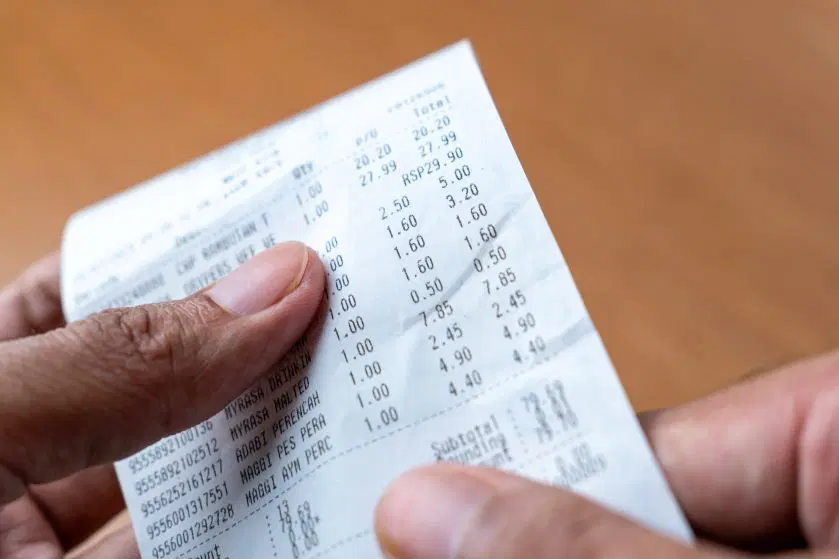
Food Inflation Pressure Leads Grocers To Revamp Weekly Ad Strategies


Image source: shutterstock
The End of the 7-Day SaleFor decades, a sale price was good for seven days. Now, retailers are shifting to“3-Day Digital Flash Sale s” or“Weekend Power Buys.” Inflation makes it risky for stores to lock in a low price on meat or produce for a full week because wholesale costs can fluctuate rapidly. By shortening the sales window, stores can offer deeper discounts for a brief period-like 99-cent eggs for Friday and Saturday only-without exposing themselves to a week of losses. Shoppers who only look at the Wednesday ad miss these weekend-exclusive drops.
From Ingredients to“Meal Math”Instead of simply listing a sale on ground beef, modern weekly ads are presenting“Meal Math” equations. The ad might feature a“Feed a Family of 4 for Under $15” section, bundling the beef, the taco shells, the cheese, and the salsa into a single promotional price. This strategy distracts from the individual unit prices (which may have risen) and focuses the shopper on the total cost of the dinner. It appeals to budget-weary consumers who are tired of calculating costs in their heads.
Digital“Personalized” PagesThe printed flyer is becoming a generic teaser, while the“real” ad lives in the app. Retailers are now generating personalized digital ad pages. If you are a vegetarian, your digital weekly ad might highlight tofu and bean sales on the front page, while your neighbor sees steak and bacon. This segmentation allows the store to show you only the deals that are statistically likely to get you into the store, making the ad feel more relevant but also hiding the broader store pricing from view.
The“Lock-In” Low PriceTo combat inflation fatigue, some chains are dedicating a section of their ad to“Locked In” prices. These are promises to keep a staple item (like milk or bread) at a specific low price for 90 days. This strategy is designed to build trust. Shoppers know that while the price of cookies might fluctuate, the price of milk is safe. These locked items are heavily advertised to create a“halo” of affordability around the entire store.
QR Code Price DiscoveryPaper ads are increasingly featuring QR codes instead of printed prices for volatile items like seafood or seasonal produce. The ad might say,“Fresh Salmon – Scan for Today's Low Price.” This allows the retailer to adjust the price daily based on market conditions while still advertising the product in print. For the shopper, it means the paper ad is no longer a price guarantee, but an invitation to check the app.

Legal Disclaimer:
MENAFN provides the
information “as is” without warranty of any kind. We do not accept any
responsibility or liability for the accuracy, content, images, videos,
licenses, completeness, legality, or reliability of the information
contained in this article. If you have any complaints or copyright issues
related to this article, kindly contact the provider above.


Comments
No comment