







403
Sorry!!
Error! We're sorry, but the page you were looking for doesn't exist.

Distribution Drivers Face Hazardous Road Conditions Delaying Store Deliveries
(MENAFN- Grocery Coupon Guide)

Image source: shutterstock
You walk into your usual grocery store expecting the basics, and suddenly the shelves look picked over in a way that doesn't match the time of day. It's easy to blame the store, the shoppers, or“supply chain issues,” but sometimes the real culprit is simpler: the truck couldn't get there safely. Bad weather, ice, flooding, fog, high winds, and even rockslides can slow down routes that normally run like clockwork. When distribution drivers face hazardous conditions, they have to choose safety over speed, and that choice can ripple straight into what's available on the shelf. Here's how road conditions delay store deliveries and what shoppers can do to stay fed, calm, and budget-smart when shipments run behind.
Why Road Conditions Hit Grocery Supply Faster Than People ThinkGrocery inventory moves on tight schedules because food is perishable and storage space is limited. One late truck can snowball into missed unload windows, staff rescheduling, and rearranged routes for the next day. Store deliveries often include a mix of refrigerated, frozen, and dry goods, which may come from different facilities and arrive at different times. When one segment gets delayed, the shelf can look“randomly empty” even if other items are plentiful. That's why a storm in one region can lead to a strangely specific shortage in another.
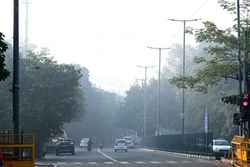
The Most Common Hazards That Slow Down TrucksWinter conditions are the obvious one, but they're not the only problem. Heavy rain can flood low-lying roads and loading areas, while high winds can make it unsafe for tall trucks on open highways and bridges. Fog and wildfire smoke can reduce visibility, forcing drivers to slow down or stop, especially on rural routes. Store deliveries also get delayed by chain-reaction traffic from accidents, road closures, and detours that add miles to a route. Drivers aren't being cautious for fun-they're following safety rules designed to prevent a small problem from turning into a deadly one.
How Delays Show Up Inside The StoreWhen shipments arrive late, stores have to play a constant game of catch-up. A crew may be scheduled to unload at 4 a.m., but if the truck pulls in at 10 a.m., the same staff might be busy with customers instead. Store deliveries that arrive off-schedule can also mean pallets sit longer in back rooms waiting for space or labor to work them. That's when shoppers see“empty shelves” even though the product is technically in the building. You might also notice more substitutions in online orders and fewer promoted items available, because promos assume normal delivery timing.
Why Certain Items Disappear FirstIf you've ever watched bread, milk, eggs, and bottled water vanish before anything else, you've seen demand behavior in action. Shoppers tend to buy the same“just in case” staples when they hear about storms or see a thin shelf, which accelerates the empty look. Store deliveries for these items also move fast because the products sell fast, so any delay becomes visible quickly. Fresh produce can get hit hard too, especially if it's coming from a region affected by storms. The good news is that“out” often means“late,” not“gone forever.”
Smart Shopping Moves When Deliveries Run BehindThe best plan is calm flexibility, not panic buying. Build a short list of substitutes you'll actually use, like frozen vegetables instead of fresh, canned beans instead of specific meats, or shelf-stable milk for recipes. If store deliveries seem delayed, shop earlier in the day for essentials and later for markdowns, because stores often discount items they need to move quickly once stock normalizes. Keep one“backup dinner” in the pantry that doesn't rely on fresh items, like pasta plus sauce, rice plus beans, or soup plus crackers. A small backup plan protects your budget better than last-minute takeout.
How To Spot A Temporary Delay Vs. A Wider ShortageYou don't need insider access, but you can read the clues. If only one brand is missing and others are stocked, it's likely a vendor-specific delay. If the entire category is thin-like all chicken, all lettuce, or all bottled water-it may be a regional disruption tied to roads, production, or distribution timing. Store deliveries that are late often come with handwritten signs,“temporarily out of stock” shelf tags, or employees telling you a truck is expected later. If you see pallets getting worked in the aisles, that's a good sign the store is recovering. When in doubt, ask politely when the next truck typically arrives, because many stores have predictable delivery windows.
Budget-Friendly Ways To Prepare Without HoardingPreparation doesn't have to look like a doomsday cart. Aim for a small“two to three days” cushion of foods your household already eats, especially during seasons with storms or heavy rain. Rotate pantry items so nothing expires, and treat backups as part of normal meal planning instead of emergency-only supplies. Store deliveries can get delayed without warning, so having a few flexible staples keeps you from paying premium prices for whatever's left. Also consider splitting shopping trips: do one small essentials run, then another trip later in the week once shelves refill. That approach prevents waste and helps you avoid impulse buys.
What Matters Most When The Trucks Can't MoveIt's frustrating to see gaps on the shelf, but delays often come down to a basic reality: safety has to come first when roads turn dangerous. Store deliveries are the invisible backbone of grocery life, and when they slow down, shoppers feel it fast. The smartest response is a mix of patience and practical planning-substitutes, a small pantry cushion, and flexible meal ideas. You'll spend less, stress less, and avoid the panic spiral that makes shortages look worse than they are. When shelves refill, your budget will thank you for staying steady.
When deliveries get delayed in your area, what's the one grocery item you always wish you'd stocked up on earlier?

Legal Disclaimer:
MENAFN provides the
information “as is” without warranty of any kind. We do not accept
any responsibility or liability for the accuracy, content, images,
videos, licenses, completeness, legality, or reliability of the information
contained in this article. If you have any complaints or copyright
issues related to this article, kindly contact the provider above.
Most popular stories
Market Research

More Story






Comments
No comment