






403
Sorry!!
Error! We're sorry, but the page you were looking for doesn't exist.
UAE Brings CGIAR Council To Gulf For First Time
(MENAFN- The Arabian Post)
Arabian Post Staff -Dubai
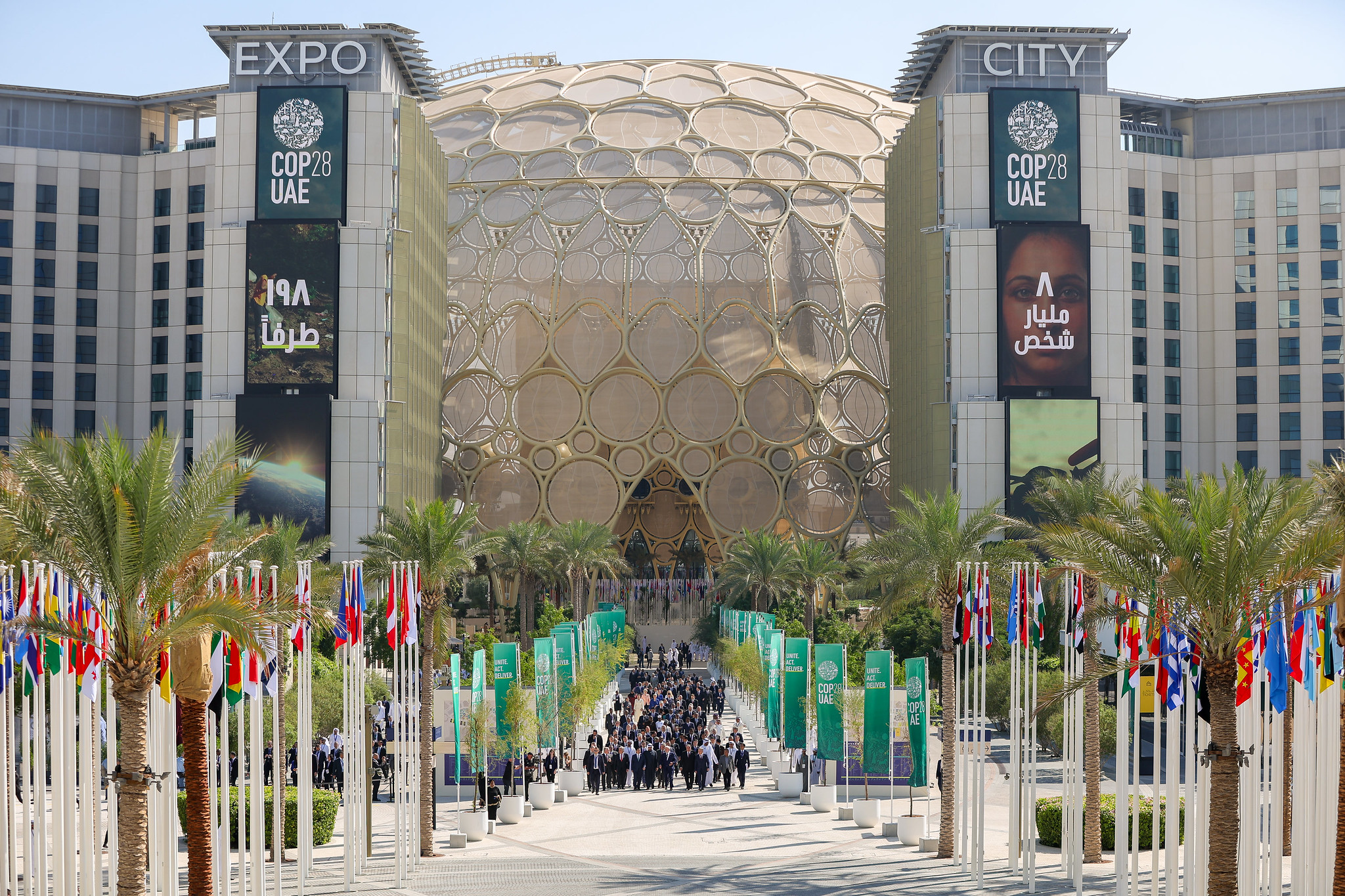
Abu Dhabi has hosted the CGIAR System Council meeting for the first time in the Arabian Gulf region, marking a significant moment for global agricultural governance and underscoring the UAE's ambition to position itself as a convening hub for food systems innovation, climate resilience and sustainable development.
The gathering brought together representatives of governments, multilateral organisations, donors and research leaders who collectively oversee CGIAR, the world's largest public agricultural research partnership. The System Council sets strategic direction, approves funding allocations and assesses the impact of research programmes that influence food security for hundreds of millions of people, particularly in climate-vulnerable regions.
Hosting the council in the UAE reflects a broader shift in global agricultural research towards regions facing acute water stress, rising temperatures and land degradation. Officials involved in the meeting emphasised that solutions for future food systems must be designed and tested in environments that mirror the challenges many countries already face, including arid climates and fragile ecosystems. The Gulf, long associated with food import dependence, is increasingly presented as a laboratory for innovation in desert agriculture, controlled-environment farming and climate-smart technologies.
CGIAR's research portfolio spans crop improvement, climate adaptation, nutrition, water management and biodiversity conservation. Its network includes 15 research centres operating across Africa, Asia, Latin America and parts of the Middle East. Discussions in Abu Dhabi focused on aligning research priorities with accelerating climate risks, tightening development budgets and the need to demonstrate measurable outcomes for smallholder farmers and vulnerable communities.
Senior figures attending the meeting highlighted the urgency of scaling innovations that improve productivity while reducing environmental footprints. Heat-tolerant crop varieties, drought-resilient seeds, precision irrigation systems and data-driven advisory services were cited as areas where scientific advances are already delivering tangible benefits. Council members also reviewed progress on integrating gender equity and nutrition outcomes into agricultural research, recognising that yield gains alone do not guarantee food security.
See also UAE biofuel push gains momentum with new SAF labThe UAE's role as host was framed around its investments in agri-tech, food security strategies and international development partnerships. Over the past decade, the country has expanded funding for agricultural research, supported pilot projects in arid farming and strengthened ties with international institutions working on climate adaptation. Officials involved in organising the meeting said the decision to host the council aligned with national priorities on sustainable food production and knowledge-based economic diversification.
Beyond symbolism, the location influenced the agenda. Sessions examined how lessons from desert agriculture can be adapted for other water-scarce regions, including parts of Africa and Central Asia. Controlled-environment agriculture, including greenhouse and vertical farming, featured prominently as participants assessed their potential to complement open-field farming rather than replace it. Energy use, affordability and scalability in lower-income settings were central to these debates.
Financing emerged as a critical issue. CGIAR operates in an environment of competing global crises, where humanitarian needs, climate finance and development assistance all draw from limited public funds. Council members discussed strategies to broaden the donor base, attract blended finance and strengthen partnerships with the private sector without compromising CGIAR's public-good mandate. Transparency, accountability and rigorous impact evaluation were repeatedly emphasised as essential to maintaining donor confidence.
The meeting also addressed governance reforms within CGIAR, which has undergone structural changes aimed at improving coordination across its research centres. Council members reviewed progress on streamlining programmes, reducing duplication and enhancing collaboration with national research systems. Strengthening ties with regional institutions in the Middle East and North Africa was identified as an opportunity to expand the reach of research outputs while respecting local contexts.
See also ADES Shelves Drilling Deal for Brunei AssignmentNotice an issue? Arabian Post strives to deliver the most accurate and reliable information to its readers. If you believe you have identified an error or inconsistency in this article, please don't hesitate to contact our editorial team at editor[at]thearabianpost[dot]com. We are committed to promptly addressing any concerns and ensuring the highest level of journalistic integrity.

Legal Disclaimer:
MENAFN provides the
information “as is” without warranty of any kind. We do not accept
any responsibility or liability for the accuracy, content, images,
videos, licenses, completeness, legality, or reliability of the information
contained in this article. If you have any complaints or copyright
issues related to this article, kindly contact the provider above.
Most popular stories
Market Research

More Story






Comments
No comment