


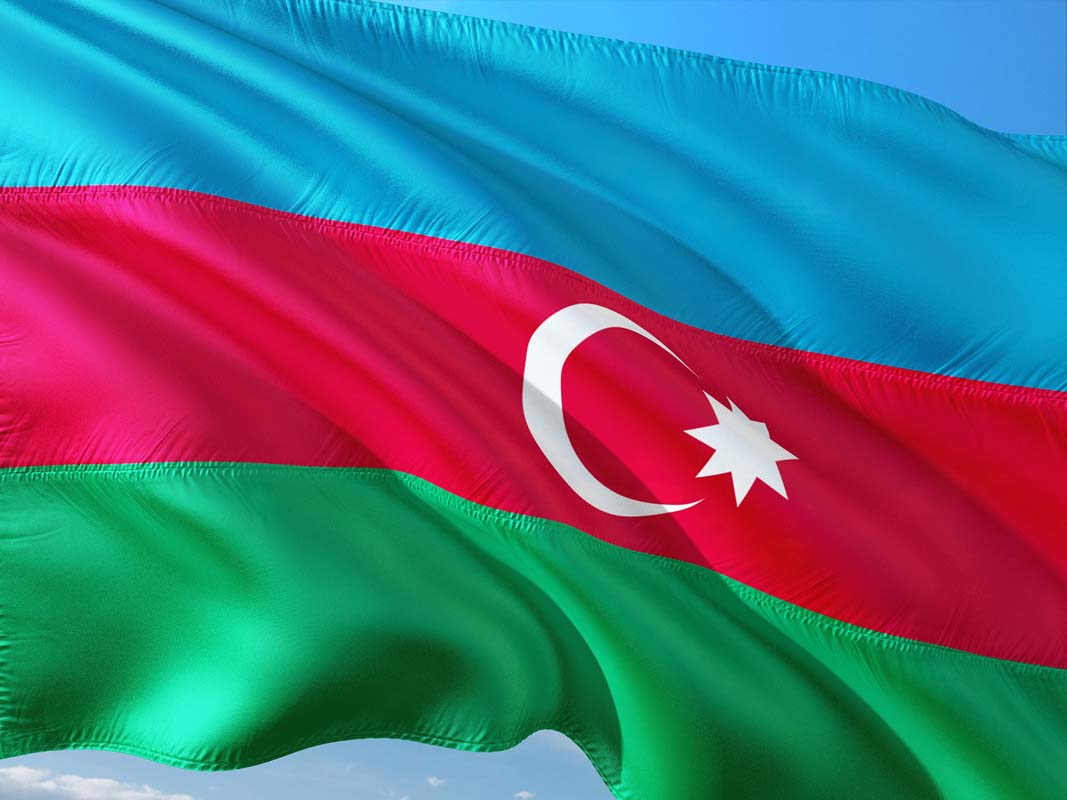
Germany’s Merz Supports Armenia-Azerbaijan Normalization Process


(MENAFN) German Chancellor Friedrich Merz declared robust backing Tuesday for the Armenia-Azerbaijan reconciliation process, characterizing their recent peace accord as unlocking a "historic opportunity" for regional stability.
During a joint press briefing with Armenian Prime Minister Nikol Pashinyan in Berlin, Merz announced Germany would champion enhanced collaboration among the EU, Armenia, and Azerbaijan, spotlighting prospects in energy sectors, commerce, and multiple strategic domains.
"The peace agreement between Armenia and Azerbaijan is a sign of hope for peace and prosperity in this world and the South Caucasus region, and it sends an important, positive signal far beyond the region," the conservative leader said.
"From our perspective, it is now crucial that Armenia and Azerbaijan continue to take the remaining steps together and peacefully, and that the outstanding issues can be resolved amicably," he said, adding that Germany will continue to support both countries on this path.
Merz emphasized Armenia's "key role" in transcontinental trade corridors linking Europe and Asia, revealing German corporations are pursuing investment opportunities in the nation. He voiced governmental backing for Pashinyan's reform blueprint encompassing democratic transformation, economic modernization, and initiatives ensuring the country "lives in peace with its neighbors."
Acknowledging the significance of Armenia's parliamentary elections scheduled for June, Merz cautioned against potential Russian interference aimed at swaying electoral outcomes.
"Russia is actively trying to instill fear in Armenian voters about closer ties with Western partners. It spreads falsehoods about the EU's goals and values," he said. "We know this pattern well: disinformation, sabotage, drone incursions. Russia is attempting to destabilize not only Europe but also Armenia through these hybrid tactics."
Pashinyan's Berlin visit culminated in both nations signing a joint declaration establishing a "strategic agenda" delineating priority cooperation sectors.
Armenians' 'European aspirations'
The Armenian premier informed journalists that Armenia regards Germany as a "strategic partner" and seeks to broaden economic partnerships, commercial exchanges, and strengthen relations across all mutually beneficial areas.
"I expressed my gratitude to Chancellor Merz for Germany's support in efforts to institutionalize peace between Armenia and Azerbaijan," Pashinyan said. "I also outlined the opportunities that arise from opening regional transport routes in the South Caucasus for developing economic and business relations," he added.
While underscoring the transformative potential of the Azerbaijan peace agreement, Pashinyan noted encouraging developments between Türkiye and Armenia, with both nations advancing efforts to reopen their border crossing. He indicated this initiative would facilitate railway connectivity extending from Germany to Armenia.
Pashinyan reaffirmed his administration's commitment to advancing EU membership aspirations.
"The new impetus for the Europeanization process in Armenia is based on the European aspirations of our citizens and their commitment to democratic values," he said, adding that in March, the National Assembly passed a law regarding the EU accession process.
"In this context, I attach great importance to Germany's support for deepening the partnership between Armenia and the EU and hope for continued political support," Pashinyan said.
During a joint press briefing with Armenian Prime Minister Nikol Pashinyan in Berlin, Merz announced Germany would champion enhanced collaboration among the EU, Armenia, and Azerbaijan, spotlighting prospects in energy sectors, commerce, and multiple strategic domains.
"The peace agreement between Armenia and Azerbaijan is a sign of hope for peace and prosperity in this world and the South Caucasus region, and it sends an important, positive signal far beyond the region," the conservative leader said.
"From our perspective, it is now crucial that Armenia and Azerbaijan continue to take the remaining steps together and peacefully, and that the outstanding issues can be resolved amicably," he said, adding that Germany will continue to support both countries on this path.
Merz emphasized Armenia's "key role" in transcontinental trade corridors linking Europe and Asia, revealing German corporations are pursuing investment opportunities in the nation. He voiced governmental backing for Pashinyan's reform blueprint encompassing democratic transformation, economic modernization, and initiatives ensuring the country "lives in peace with its neighbors."
Acknowledging the significance of Armenia's parliamentary elections scheduled for June, Merz cautioned against potential Russian interference aimed at swaying electoral outcomes.
"Russia is actively trying to instill fear in Armenian voters about closer ties with Western partners. It spreads falsehoods about the EU's goals and values," he said. "We know this pattern well: disinformation, sabotage, drone incursions. Russia is attempting to destabilize not only Europe but also Armenia through these hybrid tactics."
Pashinyan's Berlin visit culminated in both nations signing a joint declaration establishing a "strategic agenda" delineating priority cooperation sectors.
Armenians' 'European aspirations'
The Armenian premier informed journalists that Armenia regards Germany as a "strategic partner" and seeks to broaden economic partnerships, commercial exchanges, and strengthen relations across all mutually beneficial areas.
"I expressed my gratitude to Chancellor Merz for Germany's support in efforts to institutionalize peace between Armenia and Azerbaijan," Pashinyan said. "I also outlined the opportunities that arise from opening regional transport routes in the South Caucasus for developing economic and business relations," he added.
While underscoring the transformative potential of the Azerbaijan peace agreement, Pashinyan noted encouraging developments between Türkiye and Armenia, with both nations advancing efforts to reopen their border crossing. He indicated this initiative would facilitate railway connectivity extending from Germany to Armenia.
Pashinyan reaffirmed his administration's commitment to advancing EU membership aspirations.
"The new impetus for the Europeanization process in Armenia is based on the European aspirations of our citizens and their commitment to democratic values," he said, adding that in March, the National Assembly passed a law regarding the EU accession process.
"In this context, I attach great importance to Germany's support for deepening the partnership between Armenia and the EU and hope for continued political support," Pashinyan said.

Legal Disclaimer:
MENAFN provides the
information “as is” without warranty of any kind. We do not accept
any responsibility or liability for the accuracy, content, images,
videos, licenses, completeness, legality, or reliability of the information
contained in this article. If you have any complaints or copyright
issues related to this article, kindly contact the provider above.


Comments
No comment